Belts & Hoses Service in North Seattle
AAA-approved auto repair • ASE-certified technicians • Trusted by Seattle-area drivers for more than 30 years
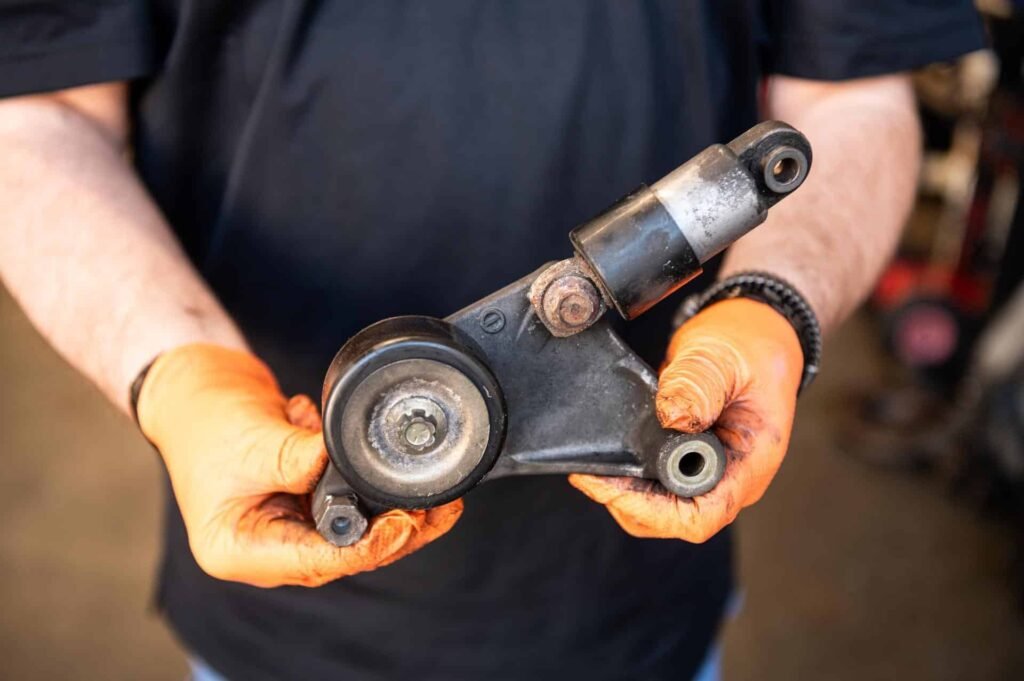
Your vehicle’s belts and hoses help operate important engine and cooling-system components. Over time, heat, age, mileage, fluid exposure, and normal wear can cause rubber components to crack, soften, stretch, leak, or fail.
At Chuck’s Auto Repair – North Seattle, we provide professional belt and hose inspections, diagnosis, maintenance, and replacement for drivers throughout North Seattle. If you hear squealing from the engine compartment, notice a coolant leak, see visible cracks in a belt, or are concerned about an aging hose, our ASE-certified technicians can inspect the system and explain what needs attention.
We do not recommend replacing every belt or hose based on age alone. We consider manufacturer recommendations, mileage, service history, visible condition, operating symptoms, and inspection findings before recommending service.
📞 Call (206) 526-1069 or Schedule Belts & Hoses Service Online.
What Do Belts and Hoses Do?
Belts and hoses support several important vehicle systems.
Depending on the vehicle, belts may help operate:
- Alternator
- Water pump
- Air conditioning compressor
- Power steering system
- Cooling fans
- Other engine accessories
Hoses may carry:
- Engine coolant
- Heater coolant
- Vacuum
- Air
- Other fluids or pressure within specific vehicle systems
A damaged belt can prevent an accessory from operating properly. A leaking or failed hose can lead to fluid loss, overheating, poor engine performance, or a breakdown.
Because modern vehicles use different belt and hose designs, the correct maintenance approach depends on the specific vehicle.
Common Signs You May Need Belt or Hose Service
Your vehicle may need inspection if you notice:
- Squealing or chirping from the engine compartment
- Visible cracks or fraying on a belt
- A shiny or glazed belt surface
- Coolant leaking beneath the vehicle
- Sweet coolant odor
- Engine overheating
- Temperature warning light
- Steam from under the hood
- Loss of power steering assistance on applicable vehicles
- Battery or charging warning light
- Air conditioning that suddenly stops working
- Soft, swollen, brittle, or leaking hoses
- Repeated low coolant levels
- Engine accessories operating inconsistently
These symptoms can involve belts, hoses, pulleys, tensioners, cooling-system components, or another related concern.
A professional inspection helps determine the actual cause before parts are replaced.
Why Is My Engine Belt Squealing?
Belt noise can have several possible causes.
Common possibilities include:
- Belt wear
- Improper belt tension
- Belt contamination
- Misaligned pulleys
- Worn tensioner
- Worn idler pulley
- Accessory bearing problems
- Moisture or fluid on the belt
- A failing accessory component
A squealing belt does not always mean the belt itself is the only problem.
Replacing a belt without checking the tensioner, pulleys, and driven accessories may leave the original cause unresolved.
Our technicians inspect the complete belt-drive system before recommending repairs.
Our Belt & Hose Inspection Process
At Chuck’s Auto Repair – North Seattle, belt and hose concerns begin with a professional inspection.
1. Confirm the Customer’s Concern
We discuss any noises, leaks, warning lights, overheating, or recent changes in vehicle operation.
2. Inspect the Belts
We look for:
- Cracks
- Fraying
- Glazing
- Missing material
- Contamination
- Uneven wear
- Improper tracking
- Tension concerns
3. Inspect Pulleys and Tensioners
We inspect related components for looseness, noise, alignment problems, or wear.
4. Inspect Hoses
We check accessible hoses for:
- Leaks
- Cracks
- Swelling
- Soft spots
- Brittleness
- Loose connections
- Damaged clamps
- Fluid residue
5. Check Related Systems
If the concern involves coolant loss, overheating, or accessory operation, we inspect the related system as needed.
6. Explain the Findings
We explain what is worn, what is leaking, why it matters, and whether the repair should be handled now or planned for later.
This process helps avoid replacing parts that are still serviceable while identifying components that could create a reliability problem.
What Belts & Hoses Service May Include
Depending on the vehicle and inspection results, service may include:
- Serpentine belt inspection
- Serpentine belt replacement
- Accessory belt inspection
- Drive belt replacement
- Belt tensioner inspection
- Belt tensioner replacement
- Idler pulley inspection
- Pulley replacement
- Radiator hose inspection
- Radiator hose replacement
- Heater hose inspection
- Heater hose replacement
- Coolant leak inspection
- Hose clamp replacement
- Cooling-system pressure testing
- Coolant level and condition inspection
- Post-repair system verification
The exact service depends on the vehicle’s design, mileage, maintenance schedule, and current condition.
Serpentine Belt Service
Many modern vehicles use one serpentine belt to operate several accessories.
The serpentine belt may drive:
- Alternator
- Water pump
- Air conditioning compressor
- Power steering pump on applicable vehicles
- Other accessories
If the belt breaks, several systems may stop working at once.
Possible results include:
- Battery no longer charging
- Engine overheating
- Loss of power steering assistance
- Air conditioning failure
- Vehicle stalling or becoming undriveable
Because the belt works together with pulleys and tensioners, we inspect the entire drive system rather than evaluating only the belt.
Radiator and Heater Hose Service
Cooling-system hoses carry coolant between the engine, radiator, heater core, and related components.
As hoses age, they may:
- Become soft
- Develop cracks
- Swell
- Leak at connections
- Deteriorate internally
- Fail under pressure
A hose may look acceptable from the outside while still weakening internally.
If a cooling-system hose fails, the engine can lose coolant quickly and overheat.
That is why coolant leaks, low coolant levels, overheating, or a sweet smell should be inspected promptly.
Timing Belts Are Different from Accessory Belts
A timing belt is not the same as a serpentine or accessory belt.
The timing belt helps synchronize internal engine operation. On vehicles equipped with a timing belt, replacement is usually based on a manufacturer-specified mileage or time interval.
A timing belt may not show obvious symptoms before failure.
Because timing-belt service is more involved and vehicle-specific, it should be handled according to the manufacturer’s maintenance schedule.
If you are unsure whether your vehicle uses a timing belt or timing chain, we can help determine what applies to your vehicle.
Why Belt and Hose Maintenance Matters
Belts and hoses are relatively simple components, but their failure can affect major systems.
Proper inspection may help reduce the risk of:
- Overheating
- Coolant loss
- Charging-system failure
- Accessory failure
- Loss of power steering assistance
- Unexpected breakdowns
- Additional engine damage
- Roadside emergencies
Routine inspections are especially important as a vehicle ages or accumulates mileage.
Not every belt or hose needs replacement at the same interval, so condition and manufacturer recommendations both matter.
Preventing Belt and Hose Problems
Not every failure can be prevented, but regular maintenance can help identify developing concerns.
Helpful steps include:
- Follow the manufacturer’s maintenance schedule
- Have belts inspected during routine service
- Have hoses inspected for leaks and deterioration
- Address coolant leaks promptly
- Do not ignore squealing or chirping noises
- Watch for overheating or temperature warnings
- Check unexplained fluid loss
- Have the vehicle inspected before a long trip
- Replace scheduled timing belts when due
Early inspection can help turn an unexpected breakdown into a planned repair.
Why Choose Chuck’s Auto Repair – North Seattle?
- AAA-approved auto repair facility
- ASE-certified technicians
- Trusted by Seattle-area drivers for more than 30 years
- Complete belt-drive and hose inspections
- Inspection-based repair recommendations
- Clear explanations before repairs are performed
- 24-month / 24,000-mile parts and labor warranty
- 12-month / 12,000-mile nationwide warranty coverage
- Convenient North Seattle location
We focus on identifying whether the concern involves the belt, hose, tensioner, pulley, cooling system, or another related component before recommending repairs.
Warranty Protection for Qualifying Repairs
Qualifying repairs are backed by our 24-month / 24,000-mile parts and labor warranty.
The warranty also includes 12-month / 12,000-mile nationwide coverage, providing added protection when traveling away from Seattle.
Warranty assistance information, including the nationwide 1-800 support number, is printed on every repair invoice. Customers also receive a warranty keytag for convenient access while on the road.
Convenient Belts & Hoses Service in North Seattle
Chuck’s Auto Repair – North Seattle
9115 Roosevelt Way NE
Seattle, WA 98115
We provide belt and hose inspections, maintenance, and replacement for drivers throughout:
Maple Leaf • Roosevelt • Northgate • Green Lake • Wedgwood • University District • Ravenna • Lake City • Wallingford • Greenwood
📞 Call (206) 526-1069 to schedule an inspection.
Belts & Hoses Service FAQs
How do I know if my serpentine belt needs replacement?
Common signs include cracking, fraying, glazing, missing material, squealing, or visible wear. Inspection is the best way to determine whether replacement is needed.
Why is my engine belt making noise?
Belt noise may be caused by belt wear, incorrect tension, contamination, pulley misalignment, a worn tensioner, or a failing accessory bearing. The full belt-drive system should be inspected.
How often should belts and hoses be replaced?
Replacement intervals vary by manufacturer, vehicle design, age, mileage, and condition. Some components are replaced at scheduled intervals, while others are replaced based on inspection findings.
Can a bad belt cause the battery light to come on?
Yes. If the belt is slipping or no longer driving the alternator properly, the charging system may not maintain adequate voltage.
Can a leaking hose cause the engine to overheat?
Yes. A leaking cooling-system hose can allow coolant to escape, which may lead to overheating and possible engine damage.
What does a swollen radiator hose mean?
Swelling can indicate hose deterioration, excessive pressure, contamination, or internal weakening. The hose and related cooling-system components should be inspected.
Should all hoses be replaced at the same time?
Not necessarily. Replacement should be based on condition, manufacturer recommendations, accessibility, and the type of repair being performed.
What happens if the serpentine belt breaks while driving?
Depending on the vehicle, the alternator, water pump, power steering, and air conditioning may stop working. The vehicle may overheat, lose steering assistance, or eventually stall.
Is a timing belt part of normal belt service?
Timing-belt service is separate from accessory-belt service and follows a specific manufacturer interval. It is a more involved repair because the timing belt synchronizes internal engine operation.
Do belt and hose repairs include a warranty?
Qualifying repairs are backed by our 24-month / 24,000-mile parts and labor warranty, including 12-month / 12,000-mile nationwide warranty coverage.
Schedule Belts & Hoses Service in North Seattle
If you hear belt noise, notice a coolant leak, see visible belt damage, or are concerned about aging hoses, schedule an inspection with Chuck’s Auto Repair – North Seattle.
Our technicians will inspect the system, explain what they find, and recommend repairs based on your vehicle’s actual condition.
📞 Call (206) 526-1069 or Book Belts & Hoses Service Online.