electrical problem diagnosis & testing in north seattle
AAA-approved auto repair • ASE-certified technicians • Trusted by Seattle-area drivers for more than 30 years
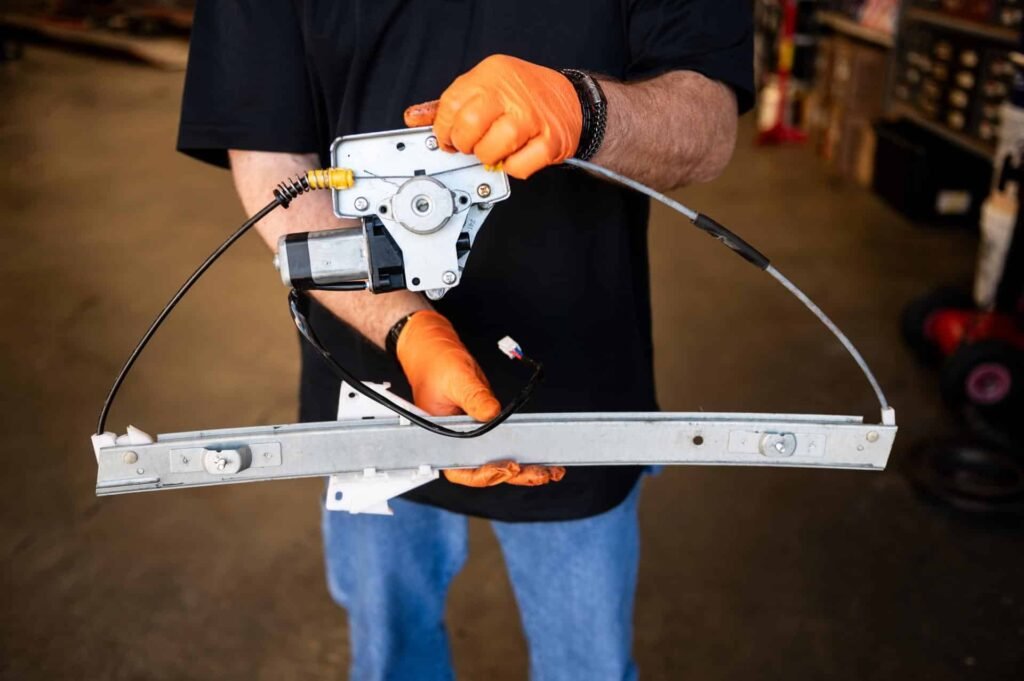

When your vehicle will not start, warning lights appear without explanation, the battery keeps dying, accessories stop working, or electrical behavior becomes unpredictable, the cause may not be obvious. Modern vehicles depend on the battery, charging system, starter, dozens of control modules, hundreds of circuits, and thousands of feet of wiring working together.
At Chuck’s Auto Repair – North Seattle, we provide professional auto electrical diagnosis and repair for drivers throughout North Seattle. Our ASE-certified technicians use electrical testing equipment, wiring diagrams, scan data, voltage-drop measurements, and system-specific procedures to identify the source of electrical concerns.
Electrical diagnosis is more than replacing a battery or checking a fuse. A vehicle can have significant electrical problems while the battery tests fine, and one electrical symptom can have several possible causes. We test the affected circuits before recommending repairs.
📞 Call (206) 526-1069 or Schedule Electrical Repair Online.
What Is Auto Electrical Repair?
Auto electrical repair is the process of identifying and correcting problems in the vehicle’s electrical systems.
Depending on the symptoms, diagnosis may involve evaluating:
- Battery condition and connections
- Charging system
- Starter and starting circuit
- Fuses and relays
- Wiring and connectors
- Electrical grounds
- Control modules
- Module communication networks
- Sensors and switches
- Lighting circuits
- Power accessories
- Security and keyless-entry systems
- Aftermarket accessory installations
The purpose is to move from a general symptom—such as a dead battery or a flickering warning light—to a confirmed cause.
A proper electrical diagnosis answers three important questions:
- What is the vehicle doing?
- Which circuit or system is responsible?
- What repair is needed to correct it?
Electrical Repair vs. Battery Service
Electrical repair and battery service overlap, but they are not exactly the same service.
Battery Service
Battery service focuses on the battery itself:
- Battery condition testing
- Terminal and cable inspection
- Charge-level evaluation
- Battery replacement when needed
- Registration or reset procedures on applicable vehicles
Auto Electrical Repair
Electrical repair may be needed even when the battery tests healthy.
Examples include:
- A new battery that keeps going dead
- Multiple warning lights appearing together
- Accessories that work intermittently
- A no-start with a fully charged battery
- Flickering lights or gauges
- Blown fuses that keep blowing
- Electrical behavior that changes with weather, vibration, or temperature
A battery test provides one piece of information. Complete electrical diagnosis considers the battery, charging system, wiring, grounds, modules, and test results together.
Common Signs You May Need Electrical Repair
Your vehicle may need electrical diagnosis if you notice:
- Repeated dead batteries
- A recently replaced battery that keeps dying
- Slow cranking
- Clicking when turning the key
- No-crank condition
- Intermittent starting
- Dim or flickering headlights
- Interior lights that flicker or stay on
- Multiple warning lights appearing at once
- Battery or charging warning light
- Gauges behaving erratically
- Power windows, locks, or seats that stop working
- Accessories that work only sometimes
- Radio or infotainment problems
- A fuse that blows repeatedly
- Burning electrical smell
- Auto stop-start system no longer operating
- Key or keyless-entry problems
- “Key not detected” messages
- Electrical behavior that changes in wet weather
- Problems that started after an accessory installation
- Problems that started after a jump-start
Some electrical problems only occur when the vehicle is cold, hot, wet, or driven over rough pavement.
Describing exactly when the symptom occurs can help guide the diagnostic process.
Why Does My Battery Keep Dying?
A battery that repeatedly goes dead is a symptom, not a diagnosis.
Possible causes include:
- A battery at the end of its service life
- Frequent short trips that never fully recharge the battery
- A charging-system fault
- Corroded terminals or cables
- A parasitic electrical draw
- A module that does not enter sleep mode
- An interior, cargo, or glove-box light staying on
- An aftermarket accessory drawing current
- A door, hood, or trunk switch fault
- Wiring damage
Replacing the battery without identifying an active draw or charging fault may allow the same concern to return—often within weeks.
Parasitic-draw testing may require allowing the vehicle’s modules to power down and then measuring current flow over time.
Why Are Multiple Warning Lights On at Once?
Several warning lights appearing together does not automatically mean several systems have failed.
Possible causes include:
- Low battery voltage
- A charging-system fault
- A failing battery under load
- A wheel-speed sensor fault shared by several systems
- A damaged ground connection
- A module-communication fault
- Water intrusion reaching wiring or a module
- A single sensor input used by multiple systems
Low system voltage is one of the most common causes. When voltage drops, control modules may set faults, disable features, or stop communicating correctly—producing a dashboard full of warnings from a single underlying cause.
Testing identifies whether one cause is responsible before individual systems are condemned.
Why Won’t My Vehicle Start?
A no-start condition generally falls into one of two categories.
Engine Does Not Crank
Possible causes include:
- Discharged or failed battery
- Corroded terminals or cables
- Poor ground connections
- Starter motor or solenoid failure
- Starter relay or fuse
- Ignition switch concern
- Neutral-safety or clutch-safety switch
- Brake-pedal switch on push-button-start vehicles
- Security or immobilizer system
- Wiring or control-circuit fault
Engine Cranks but Does Not Start
When the engine cranks normally but does not start, the concern may involve fuel delivery, ignition, sensors, or engine controls rather than the starting circuit. This overlaps with engine diagnostics, and testing determines which system is responsible.
A no-start does not automatically mean the starter or battery has failed. We test the battery, cables, grounds, starter circuit, and control inputs before recommending parts.
Why Do My Lights Flicker or Accessories Act Strangely?
Flickering lights, erratic gauges, and accessories that misbehave are classic signs of an unstable electrical supply or a poor connection.
Possible causes include:
- A failing alternator or voltage regulator
- Corroded or loose ground connections
- A damaged battery cable
- A loose or corroded connector
- Chafed or broken wiring
- Moisture in a connector or module
- A failing switch
- A module fault
Intermittent electrical problems have physical causes. A connection that opens with vibration, a wire that shorts when wet, or a ground that fails when hot can all produce symptoms that come and go—and each can be found with methodical testing.
Why Does the Same Fuse Keep Blowing?
A fuse protects a circuit. When a fuse blows repeatedly, the circuit it protects has a fault—usually a short to ground.
Possible causes include:
- Chafed wiring contacting metal
- A damaged connector
- A failed component drawing excessive current
- Water intrusion in a circuit
- An incorrectly installed accessory
- Damage from rodents
Installing a larger fuse is never the answer—it removes the circuit’s protection and creates a fire risk. The short must be located and repaired.
Our Electrical Diagnostic Process
At Chuck’s Auto Repair – North Seattle, electrical concerns begin with a structured diagnostic process.
1. Discuss the Symptoms
We ask questions such as:
- When did the concern begin?
- Is the problem constant or intermittent?
- Does it occur when the vehicle is cold, hot, or wet?
- Did it start after a jump-start, battery replacement, or accessory installation?
- Which systems are affected?
- Are any warning lights on?
- Has the battery been replaced recently?
- Has any recent repair or bodywork been performed?
Accurate symptom information helps us choose the correct starting point.
2. Perform an Initial Inspection
We may inspect:
- Battery condition, terminals, and cables
- Visible wiring and connectors
- Ground connections
- Fuse and relay boxes
- Signs of moisture intrusion
- Signs of rodent damage
- Aftermarket accessory installations
- Signs of previous electrical repairs
3. Test the Battery and Charging System
Baseline testing may include:
- Battery state of charge and load testing
- Charging voltage and output testing
- Cable and connection voltage-drop testing
- Ground-circuit testing
Because low voltage can cause faults throughout the vehicle, the power supply is verified before individual systems are diagnosed.
4. Scan Vehicle Computer Systems
When applicable, we check for:
- Stored trouble codes across all modules
- Communication faults between modules
- Low-voltage or power-supply codes
- Codes that appeared at the same time
- Freeze-frame information
A module-related trouble code does not automatically prove the module itself has failed.
5. Review Live Data and Monitor the Circuit
Depending on the concern, we may examine:
- System voltage during operation
- Sensor and switch inputs
- Module communication status
- Circuit behavior while manipulating wiring
- Data captured while reproducing the symptom
6. Test the Suspected Circuit
Testing may include:
- Voltage-drop testing across connections and grounds
- Continuity and resistance testing
- Load testing of circuits
- Relay and fuse-circuit testing
- Parasitic-draw measurement over time
- Component command tests
- Wiggle-testing wiring while monitoring the circuit
- Moisture inspection of connectors and modules
7. Confirm the Root Cause
We compare the symptoms, scan information, measurements, and physical findings to determine the source of the problem—whether it is a component, a connection, a wire, a ground, a module, or the power supply itself.
8. Explain the Findings
We explain:
- What circuit or system is at fault
- What testing was performed
- What caused the symptom
- Which repair is recommended
- Whether additional concerns were discovered
- What may happen if the problem is not corrected
9. Verify the Repair
After approved repairs are completed, we retest the affected circuit, confirm proper operation, verify that no abnormal draw remains, and road-test the vehicle when appropriate.
Our goal is to correct the cause—not simply replace a battery, swap a part, or clear a warning light based on a guess.
Battery and Charging-System Diagnostics
The battery stores electrical energy, and the charging system replaces it while the engine runs.
Depending on the vehicle, the system may include:
- Battery
- Alternator
- Voltage regulator
- Battery-monitoring sensor
- Cables and grounds
- Charging-control strategy managed by the engine computer
Charging problems may cause:
- Battery warning light
- Repeated dead batteries
- Dim lights
- Multiple warning messages
- Stalling in severe cases
- Damage to a new battery
Some vehicles require battery registration or a monitoring-system reset after battery replacement so the charging strategy adapts correctly. The correct battery type and capacity also matter.
Starter and Starting-Circuit Diagnostics
The starting circuit includes more than the starter motor.
Components may include:
- Starter motor and solenoid
- Battery and cables
- Ignition switch or start button
- Starter relay
- Neutral-safety, clutch, or brake-pedal switches
- Security system inputs
- Control-module logic
Slow cranking, clicking, or an intermittent no-crank may involve any of these. Voltage-drop testing across the cables and connections identifies resistance problems that a simple battery test misses—and prevents replacing a healthy starter because of a corroded cable.
Parasitic-Draw Diagnostics
A parasitic draw is current flowing from the battery when the vehicle is off and should be asleep.
Modern vehicles draw a small amount of current constantly. A draw becomes a problem when a module fails to enter sleep mode, a light stays on, an accessory keeps drawing current, or a fault keeps a circuit awake.
Draw testing may require:
- Allowing the vehicle’s modules time to power down
- Measuring current flow over time
- Isolating the circuit responsible by monitoring individual fuses
- Identifying the component or module on that circuit
This process takes patience, but it finds the cause—which is why our customers stop buying batteries every year.
Wiring, Connector, and Ground Diagnostics
Many electrical problems are not component failures at all. They are connection failures.
Possible concerns include:
- Corroded ground connections
- Chafed wiring contacting metal
- Broken wires inside insulation
- Damaged or backed-out connector terminals
- Moisture or corrosion inside connectors
- Rodent-damaged wiring
- Poorly installed aftermarket accessories
A corroded ground can affect several unrelated-seeming systems at once. Voltage-drop testing—measuring what a connection loses under load—finds these problems where simple continuity checks pass.
Module and Communication-Network Diagnostics
Modern vehicles contain dozens of control modules that share information across communication networks.
Communication concerns may cause:
- Multiple warning lights
- Features that stop working together
- “No communication” scan results
- Intermittent faults across several systems
Possible causes include low voltage, a damaged network wire, a corroded connector, a failed module pulling the network down, or water intrusion.
A module should not be replaced until testing confirms the module—rather than its power, ground, or network connection—is at fault. Modules are expensive, and many require programming; replacing one on a guess is the most expensive form of parts roulette.
Water Intrusion and Electrical Damage
Water is one of the most common causes of electrical problems in Seattle vehicles.
Water entering through blocked sunroof drains, door seals, windshield sealing, or body seams can reach wiring, connectors, and control modules. The result may be corrosion, intermittent faults, blown fuses, or module failure—sometimes months after the water first entered.
Damp carpet, musty odors, or window fogging accompanied by electrical problems should prompt an inspection for water intrusion. The entry point should be corrected along with the electrical repair, or the damage will repeat.
Aftermarket Accessory Concerns
Remote starters, audio systems, lighting, trailer wiring, and other accessories can cause electrical problems when installed incorrectly.
Possible concerns include:
- Circuits tapped without proper connections
- Draws that prevent modules from sleeping
- Overloaded circuits and repeated blown fuses
- Interference with vehicle networks
- Security-system conflicts
If electrical problems began after an accessory installation, that history is an important diagnostic clue—please mention it when scheduling.
What Auto Electrical Service May Include
Depending on the symptoms and findings, electrical service may include:
- Customer symptom review
- Battery and charging-system testing
- Starter-circuit testing
- Voltage-drop testing
- Computer-system scanning across modules
- Live-data and communication testing
- Parasitic-draw measurement
- Fuse and relay testing
- Wiring and connector inspection and repair
- Ground-circuit repair
- Component testing and replacement
- Water-intrusion inspection
- Aftermarket-accessory evaluation
- Post-repair verification
The exact process depends on the vehicle, symptoms, stored information, and results of the initial tests.
Why Proper Electrical Diagnosis Matters
Many electrical symptoms can be caused by several different faults.
A dead battery may involve:
- The battery itself
- The charging system
- A parasitic draw
- A cable or ground
Multiple warning lights may involve:
- Low voltage
- One shared sensor
- A ground fault
- A communication problem
A no-start may involve:
- The battery
- The starter
- A safety switch
- The security system
- Wiring
Replacing parts based only on the symptom can lead to unnecessary expense and may not correct the problem. Batteries, starters, alternators, and especially control modules are too expensive to replace on a guess.
Our approach is to gather evidence, test the affected circuits, confirm the cause, explain the findings, and then recommend the appropriate repair.
Why Electrical Diagnostics Can Take Time
Some electrical problems can be confirmed quickly. Others require several stages of testing.
Diagnosis may take longer when:
- The concern is intermittent
- The symptom occurs only when cold, hot, or wet
- A parasitic draw requires monitoring over time
- Modules must power down before testing
- Wiring damage is hidden behind trim or under carpet
- Previous repairs or accessory installations have altered the vehicle
- Several circuits share the same symptom
- The fault must be caught in the act with monitoring equipment
Diagnostic time is used to reduce guesswork and identify the repair most likely to correct the concern—once, correctly.
Why Choose Chuck’s Auto Repair – North Seattle?
- AAA-approved auto repair facility
- ASE-certified technicians
- Trusted by Seattle-area drivers for more than 30 years
- Professional electrical diagnosis and repair
- Battery, charging, starter, and wiring testing
- Parasitic-draw and voltage-drop testing
- Testing before parts replacement
- Diagnosis of dead batteries, no-starts, warning lights, and intermittent faults
- Clear explanations of findings and repair recommendations
- 24-month / 24,000-mile parts and labor warranty
- 12-month / 12,000-mile nationwide warranty coverage
- Convenient North Seattle location
We do not treat a dead battery, a warning light, or a blown fuse as a complete diagnosis.
We inspect, test, confirm, explain, and then recommend the appropriate repair.
Warranty Protection for Qualifying Electrical Repairs
Qualifying repairs are backed by our 24-month / 24,000-mile parts and labor warranty.
The warranty also includes 12-month / 12,000-mile nationwide coverage, providing added protection if you need warranty assistance while traveling away from Seattle.
The nationwide 1-800 assistance information is printed on every repair invoice. Customers also receive a warranty keytag for convenient access while on the road.
Convenient Auto Electrical Repair in North Seattle
Chuck’s Auto Repair – North Seattle
9115 Roosevelt Way NE
Seattle, WA 98115
We provide professional electrical diagnosis and repair for drivers throughout:
Maple Leaf • Roosevelt • Northgate • Green Lake • Wedgwood • University District • Ravenna • Lake City • Wallingford • Greenwood
📞 Call (206) 526-1069 to schedule electrical repair service.
Auto Electrical Repair FAQs
Why does my new battery keep dying?
A healthy new battery that repeatedly dies usually points to a charging-system fault or a parasitic draw—something drawing current while the vehicle sits. We test both before recommending another battery.
Why are several warning lights on at the same time?
Low battery voltage, a charging fault, a shared sensor, a damaged ground, or a module-communication problem can trigger multiple warnings from a single cause. Testing identifies whether one fault is responsible.
My car clicks but will not crank. Is it the starter?
Not necessarily. Clicking may involve the battery, cables, grounds, a relay, or the starter itself. Voltage-drop testing across the starting circuit identifies which—before parts are replaced.
What is a parasitic draw?
Current flowing from the battery when the vehicle is off and should be asleep. A module that stays awake, a light left on, or an accessory fault can drain a battery overnight or over several days.
How do you find a parasitic draw?
We let the vehicle’s modules power down, measure current flow over time, then isolate the responsible circuit by monitoring individual fuses until the source is identified.
Can a bad ground cause electrical problems?
Yes—and it is one of the most common causes. A corroded ground can affect several unrelated-seeming systems at once, and voltage-drop testing finds it where simple checks pass.
Why does the same fuse keep blowing?
The circuit that fuse protects has a fault—usually a short to ground from chafed wiring, a damaged connector, water intrusion, or a failed component. Never install a larger fuse; the short must be located and repaired.
My electrical problems only happen when it rains. Why?
Moisture reaching a connector, wire, or module can create faults that appear only when wet. Water intrusion from drains, seals, or seams should be inspected—and the entry point corrected.
Do some vehicles need battery registration after replacement?
Yes. Many newer vehicles require battery registration or a monitoring-system reset so the charging strategy adapts to the new battery. The correct battery type and capacity also matter.
Can a weak battery cause problems even if the car starts?
Yes. Low voltage can trigger warning lights, disable stop-start, cause module-communication faults, and create symptoms across several systems—even while the engine still starts.
Can an aftermarket accessory cause electrical problems?
Yes. Incorrectly installed remote starters, audio systems, lighting, or trailer wiring can create draws, blown fuses, and network interference. If problems began after an installation, mention it when scheduling.
Should a control module be replaced when a scan shows a module code?
Not automatically. A module code may reflect the module’s power supply, ground, or network connection rather than the module itself. Modules are expensive and often require programming—testing comes first.
How long does electrical diagnosis take?
It depends on the symptom. Some faults are confirmed quickly; intermittent problems and parasitic draws may require monitoring over time to catch the fault in the act.
Can water inside the car cause electrical problems?
Yes. Water reaching wiring, connectors, or modules causes corrosion and intermittent faults—sometimes months later. The leak source should be corrected along with the electrical repair.
Do electrical repairs include a warranty?
Qualifying repairs are backed by our 24-month / 24,000-mile parts and labor warranty, including 12-month / 12,000-mile nationwide warranty coverage.
Schedule Auto Electrical Repair in North Seattle
If your vehicle has a battery that keeps dying, warning lights you cannot explain, a no-start condition, flickering lights, a fuse that keeps blowing, or electrical behavior that comes and goes, schedule diagnostic service with Chuck’s Auto Repair – North Seattle.
Our ASE-certified technicians will test the affected circuits, identify the cause, explain the findings, and recommend repairs based on confirmed results.
📞 Call (206) 526-1069 or Book Electrical Repair Service Online.