Steering & Suspension Repair in north seattle
AAA-approved auto repair • ASE-certified technicians • Trusted by Seattle-area drivers for more than 30 years
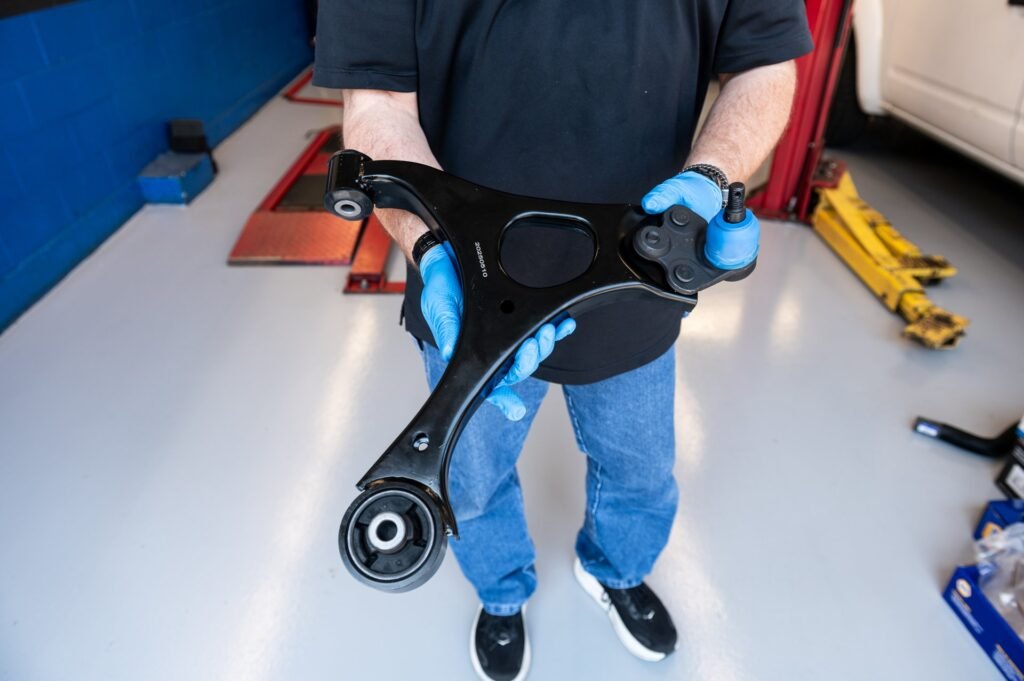
Your vehicle’s steering and suspension systems work together to help maintain control, keep the tires in contact with the road, absorb bumps, and support predictable handling during turns, braking, and acceleration.
At Chuck’s Auto Repair – North Seattle, we provide professional steering and suspension inspections, diagnostics, and repair for drivers throughout North Seattle. If your vehicle pulls, wanders, clunks over bumps, feels loose, rides unevenly, or has become difficult to steer, our ASE-certified technicians can inspect the system and determine the cause.
A steering or handling concern does not automatically mean the steering rack, shocks, or struts have failed. Similar symptoms may be caused by tires, wheel alignment, tie rods, ball joints, control arms, bushings, springs, wheel bearings, brakes, or other related components.
We inspect the complete system before recommending repairs.
📞 Call (206) 526-1069 or Schedule Steering & Suspension Service Online.
What Do the Steering and Suspension Systems Do?
The steering system allows the driver to control the vehicle’s direction.
The suspension system supports the vehicle, absorbs road movement, maintains tire contact, and helps keep the vehicle stable.
Depending on the vehicle, these systems may include:
- Steering rack or steering gear
- Inner and outer tie rods
- Ball joints
- Control arms
- Control-arm bushings
- Steering knuckles
- Shocks
- Struts
- Coil springs
- Leaf springs
- Sway bars
- Sway-bar links
- Sway-bar bushings
- Wheel bearings and hubs
- Power-steering pump
- Power-steering fluid and hoses
- Electric power-steering motor
- Steering-angle sensors
- Electronic control modules
- Subframe and mounting points
These components must work together for the vehicle to steer, track, brake, and respond predictably.
Wear in one component may affect tire wear, alignment, steering feel, ride quality, or other parts of the suspension.
Common Signs You May Need Steering or Suspension Repair
Your vehicle may need inspection if you notice:
- Vehicle pulls to one side
- Steering wheel feels loose
- Vehicle wanders on the road
- Steering requires excessive correction
- Clunking or knocking over bumps
- Popping while turning
- Squeaking from the suspension
- Steering feels unusually heavy
- Steering feels inconsistent
- Steering wheel does not return normally after a turn
- Vehicle bounces excessively
- Vehicle leans during turns
- Front end dives during braking
- Vehicle sits lower on one side
- Uneven or rapid tire wear
- Steering-wheel vibration
- Vehicle shakes at certain speeds
- Fluid leaking beneath the front of the vehicle
- Power-steering warning light
- Suspension warning light
- Noise when turning the steering wheel
- Poor stability in crosswinds
- Harsh or uncomfortable ride
- Vehicle feels unstable during braking
- Tire contact or rubbing noise
- Recent pothole, curb, or collision impact
These symptoms can have several possible causes.
A professional inspection helps identify which component is worn, damaged, loose, leaking, or out of position.
Why Is My Vehicle Pulling to One Side?
A vehicle that pulls or drifts may have a steering, suspension, tire, brake, or alignment concern.
Possible causes include:
- Unequal tire pressure
- Uneven tire wear
- Damaged tire
- Wheel-alignment concern
- Worn tie rod
- Worn ball joint
- Damaged control arm
- Worn control-arm bushing
- Bent suspension component
- Weak or broken spring
- Brake caliper dragging
- Wheel-bearing concern
- Road crown
- Previous impact damage
The direction of the pull may change depending on road surface, braking, acceleration, or tire condition.
An alignment adjustment alone will not correct worn or damaged suspension parts.
The steering and suspension should be inspected before alignment-related adjustments are recommended.
Why Does My Steering Feel Loose or Wander?
Loose steering may feel like the vehicle does not respond immediately when the steering wheel is turned.
You may also feel the need to make constant corrections to remain centered in the lane.
Possible causes include:
- Worn inner or outer tie rods
- Worn ball joints
- Control-arm bushing wear
- Steering-rack wear
- Steering-gear wear
- Loose steering-column components
- Wheel-bearing movement
- Improper alignment
- Tire wear or incorrect pressure
- Damaged suspension parts
- Loose mounting hardware
Steering looseness should be inspected promptly because several of these components help control wheel position.
Why Is My Steering Hard to Turn?
Steering that suddenly or gradually becomes difficult may involve a hydraulic, electric, mechanical, or tire-related concern.
Possible causes include:
- Low power-steering fluid
- Power-steering fluid leak
- Failing power-steering pump
- Damaged pressure or return hose
- Broken or slipping drive belt
- Electric power-steering fault
- Steering-rack binding
- Steering-shaft concern
- Seized suspension joint
- Incorrect tire pressure
- Damaged tire
- Electrical voltage concern
Hydraulic and electric power-steering systems operate differently.
The correct diagnostic process depends on the vehicle’s design.
Why Does My Vehicle Clunk Over Bumps?
Clunking, knocking, or popping over bumps may be caused by movement in one or more steering or suspension components.
Possible causes include:
- Worn sway-bar link
- Worn sway-bar bushing
- Damaged strut mount
- Loose shock or strut hardware
- Worn ball joint
- Worn control-arm bushing
- Broken spring
- Loose subframe hardware
- Worn tie rod
- Steering-rack mounting concern
- Damaged engine or transmission mount
- Loose brake hardware
- Wheel-bearing movement
The location and conditions of the noise can provide useful clues.
A noise that occurs only while turning may have a different cause than a noise that occurs while driving straight over bumps.
Inspection is needed before parts are replaced.
Why Does My Steering Wheel Vibrate?
Steering-wheel vibration may be caused by:
- Tire imbalance
- Damaged tire
- Bent wheel
- Uneven tire wear
- Wheel-bearing concern
- Loose steering component
- Worn suspension component
- Brake rotor variation
- CV axle concern
- Wheel-alignment issue
- Road-surface conditions
The speed and circumstances in which the vibration appears are important.
For example:
- Vibration at a specific road speed may involve tires or wheels.
- Vibration during braking may involve brakes or suspension components.
- Vibration during acceleration may involve axles, mounts, or drivetrain parts.
- Vibration during turns may involve wheel bearings or steering components.
We inspect and test the related systems before recommending repairs.
Why Is My Vehicle Uneven or Sitting Low?
A vehicle that sits lower on one corner or side may have:
- Broken coil spring
- Weak or sagging spring
- Damaged leaf spring
- Air-suspension leak
- Failed ride-height component
- Bent suspension part
- Excessive vehicle loading
- Damaged spring seat
- Structural or impact damage
Shocks and struts control motion but generally do not support the vehicle’s full weight by themselves.
A vehicle sitting low commonly points toward a spring, air-suspension, mounting, or structural concern.
Our Steering and Suspension Diagnostic Process
At Chuck’s Auto Repair – North Seattle, steering and suspension concerns begin with a professional inspection.
1. Discuss the Customer’s Concern
We ask:
- What does the vehicle feel or sound like?
- When did the concern begin?
- Does the vehicle pull while driving or braking?
- Does the noise occur over bumps or during turns?
- Is the steering loose, heavy, or inconsistent?
- Has the vehicle recently hit a pothole or curb?
- Are the tires wearing unevenly?
- Has previous steering or suspension work been performed?
- Are any warning lights on?
2. Road Test When Appropriate
A road test may help confirm:
- Vehicle pull
- Wandering
- Loose steering
- Clunking
- Popping
- Vibration
- Body roll
- Suspension bounce
- Brake-related instability
- Steering-assist concerns
The road test is performed only when the vehicle can be operated safely.
3. Inspect Tires and Wheels
We evaluate:
- Tire pressure
- Tread condition
- Uneven wear
- Cupping
- Sidewall damage
- Tire compatibility
- Wheel damage
- Signs of alignment concerns
Tire problems can create steering and suspension symptoms even when the mechanical components are in acceptable condition.
4. Inspect Steering Components
Depending on the vehicle, we may inspect:
- Inner tie rods
- Outer tie rods
- Steering rack
- Steering gear
- Steering shaft
- Steering-column connections
- Power-steering hoses
- Power-steering pump
- Electric power-steering components
- Mounts and hardware
5. Inspect Suspension Components
We may inspect:
- Ball joints
- Control arms
- Control-arm bushings
- Shocks
- Struts
- Springs
- Strut mounts
- Sway-bar links
- Sway-bar bushings
- Steering knuckles
- Wheel bearings
- Subframe mounting points
- Related hardware
6. Check for Fluid Leaks
On hydraulic power-steering systems, we inspect for leaks from:
- Power-steering pump
- Steering rack
- Steering gear
- Pressure hose
- Return hose
- Fluid reservoir
- Connections and seals
7. Check Electronic Systems When Needed
Modern vehicles may use electric or electronically controlled steering and suspension systems.
Diagnostic testing may include:
- Trouble-code retrieval
- Live data
- Steering-angle information
- Motor operation
- Sensor inputs
- Module communication
- Power and ground testing
- System calibration requirements
8. Measure Movement and Wear
We check accessible joints, bushings, bearings, and mounts for:
- Excessive play
- Binding
- Tearing
- Cracking
- Separation
- Noise
- Physical damage
- Loose hardware
9. Explain the Findings
We explain:
- Which component is worn or damaged
- What is causing the symptom
- What should be repaired
- Whether related components also need attention
- Whether an alignment check may be appropriate
- What may be monitored
10. Verify the Repair
After approved repairs, we inspect the installation, verify steering and suspension operation, and road-test the vehicle when appropriate.
What Steering and Suspension Service May Include
Depending on the vehicle and inspection findings, service may include:
- Steering-system inspection
- Suspension-system inspection
- Inner tie-rod replacement
- Outer tie-rod replacement
- Ball-joint replacement
- Control-arm replacement
- Control-arm bushing replacement
- Sway-bar link replacement
- Sway-bar bushing replacement
- Shock replacement
- Strut replacement
- Strut-mount replacement
- Spring replacement
- Steering-rack replacement
- Steering-gear replacement
- Power-steering pump replacement
- Power-steering hose replacement
- Power-steering leak repair
- Electric power-steering diagnosis
- Wheel-bearing inspection
- Steering-knuckle inspection
- Subframe inspection
- Related hardware replacement
- Alignment evaluation
- Road testing
- Post-repair verification
The exact repair depends on the vehicle design, symptoms, inspection findings, and manufacturer procedures.
Tie Rod Service
Tie rods connect the steering rack or steering gear to the steering knuckles.
They transfer steering movement to the wheels.
A tie-rod concern may cause:
- Loose steering
- Wandering
- Uneven tire wear
- Clunking
- Steering-wheel vibration
- Vehicle pull
- Excessive movement at the wheel
- Difficulty maintaining alignment
Tie rods may include:
- Inner tie rod
- Outer tie-rod end
- Adjustment sleeve on applicable vehicles
- Protective boot
- Related mounting hardware
A worn tie rod can affect wheel position and steering control.
After tie-rod replacement, a wheel alignment or alignment check is commonly required because the component affects toe adjustment.
Ball Joint Service
Ball joints allow suspension movement while helping maintain wheel position.
Depending on the vehicle, ball joints may be:
- Pressed into a control arm
- Bolted to a control arm
- Integrated into a complete control-arm assembly
- Load-bearing or non-load-bearing
Possible signs of ball-joint wear include:
- Clunking
- Loose steering
- Uneven tire wear
- Vehicle pull
- Excessive wheel movement
- Popping while turning
- Suspension instability
Severe ball-joint wear can allow significant movement or separation.
The joint should be evaluated using the correct inspection method for the vehicle’s suspension design.
Control Arm and Bushing Service
Control arms connect the wheel assembly to the vehicle structure while allowing controlled suspension movement.
Control-arm bushings help isolate vibration and allow movement at specific points.
Possible control-arm or bushing symptoms include:
- Clunking
- Vehicle pull
- Steering instability
- Uneven tire wear
- Braking movement
- Wheel shifting backward or forward
- Vibration
- Cracked or separated rubber
- Visible physical damage
Some bushings can be replaced separately, while others are serviced as part of the complete control-arm assembly.
The recommendation depends on:
- Vehicle design
- Bushing condition
- Ball-joint condition
- Arm condition
- Labor requirements
- Parts availability
- Overall repair value
Sway Bar, Links, and Bushings
The sway bar helps reduce body roll during turns.
It is connected to the suspension through links and supported by bushings.
Worn sway-bar components may cause:
- Clunking over bumps
- Rattling
- Increased body movement
- Noise during low-speed turns
- Loose or disconnected link
- Damaged bushing
Sway-bar link noise can resemble strut, ball-joint, or control-arm noise.
The full suspension should be inspected before determining the source.
Steering Rack Repair and Replacement
Many modern vehicles use a rack-and-pinion steering system.
The steering rack converts steering-wheel movement into side-to-side movement at the tie rods.
A steering-rack concern may cause:
- Power-steering fluid leak
- Uneven steering assist
- Loose steering
- Binding
- Clunking
- Vehicle wandering
- Internal steering noise
- Excessive movement
- Electric power-steering warning
A steering-rack leak does not always require immediate replacement if it is minor, but the leak rate, fluid level, system performance, and safety implications must be considered.
Before rack replacement is recommended, we inspect:
- Tie rods
- Steering shaft
- Mounting points
- Hydraulic hoses
- Power-steering pump
- Electrical controls on electric systems
- Fluid condition
- Related suspension components
Hydraulic Power-Steering Service
Hydraulic power steering uses fluid pressure to assist steering.
The system may include:
- Power-steering pump
- Fluid reservoir
- Pressure hose
- Return hose
- Steering rack or steering gear
- Drive belt
- Fluid cooler on applicable vehicles
Possible symptoms include:
- Whining while turning
- Heavy steering
- Fluid leakage
- Foamy fluid
- Low fluid level
- Intermittent steering assist
- Burning-fluid odor
- Pump noise
- Steering that feels different when cold or hot
Low fluid is usually caused by a leak.
Adding fluid may restore assist temporarily but does not repair the source.
The correct fluid specification must be used.
Electric Power-Steering Diagnostics
Electric power-steering systems use an electric motor rather than a hydraulic pump.
The system may include:
- Electric steering motor
- Torque sensor
- Steering-angle sensor
- Control module
- Wiring
- Power and ground circuits
- Steering rack or column assembly
- Communication with other vehicle modules
Possible symptoms include:
- Power-steering warning light
- Steering assist reduced or lost
- Steering effort changes
- Assist that works intermittently
- Steering not returning normally
- Fault after a battery or voltage concern
- Noise from the steering column or rack
Electric power-steering faults may involve:
- Low system voltage
- Sensor concern
- Motor failure
- Wiring
- Module communication
- Calibration
- Mechanical binding
Diagnostic scanning and electrical testing are needed before an expensive steering assembly is replaced.
Power-Steering Fluid Leaks
Hydraulic steering fluid may leak from:
- Pump
- Reservoir
- Pressure hose
- Return hose
- Steering rack
- Steering gear
- Cooler line
- Seals
- Connections
Possible signs include:
- Fluid beneath the vehicle
- Wetness around steering components
- Whining while turning
- Heavy steering
- Low reservoir level
- Burning smell
- Foamy or aerated fluid
Fluid may travel across the subframe or underbody, making the source difficult to identify without cleaning and inspection.
Driving with low fluid may damage the pump or reduce steering assist.
Springs and Ride Height
Springs support vehicle weight and help maintain ride height.
Possible spring concerns include:
- Broken coil spring
- Weak or sagging spring
- Corrosion
- Damaged spring seat
- Broken leaf spring
- Uneven ride height
- Spring movement
- Tire contact
- Suspension bottoming
A broken spring can affect:
- Handling
- Alignment
- Tire clearance
- Braking stability
- Shock or strut operation
- Nearby brake hoses or wiring
Spring replacement recommendations should consider the condition of both sides and related suspension components.
Shocks and Struts Within the Suspension System
Shocks and struts help control spring movement.
Worn components may contribute to:
- Excessive bouncing
- Body roll
- Nose-diving
- Reduced stability
- Uneven tire wear
- Poor control over rough roads
- Fluid leakage
- Clunking from mounts or hardware
However, shocks and struts are only one part of the suspension system.
A rough ride may also involve:
- Tires
- Springs
- Bushings
- Ball joints
- Sway-bar components
- Wheel bearings
- Vehicle loading
We inspect the complete system before recommending replacement.
Wheel Alignment and Suspension Repair
Wheel alignment refers to the position and angles of the wheels relative to the vehicle and road.
Important alignment angles may include:
- Toe
- Camber
- Caster
Alignment may be affected by:
- Worn tie rods
- Ball-joint wear
- Damaged control arms
- Worn bushings
- Bent suspension parts
- Spring height
- Impact damage
- Subframe movement
- Previous repairs
An alignment adjustment cannot correct excessive looseness or damaged parts.
Worn steering and suspension components should be repaired before alignment settings are evaluated or adjusted.
An alignment check may be recommended after certain steering or suspension repairs.
Pothole and Curb Damage
A hard impact with a pothole, curb, road debris, or damaged pavement may affect:
- Tire
- Wheel
- Tie rod
- Control arm
- Ball joint
- Strut
- Shock
- Spring
- Steering knuckle
- Wheel bearing
- Alignment
- Subframe
Possible signs include:
- Vehicle pull
- Steering wheel no longer centered
- New vibration
- Tire-pressure loss
- Clunking
- Visible wheel damage
- Uneven ride height
- Tire rubbing
- Warning light
A vehicle should be inspected after a severe impact, especially if handling or steering changed immediately afterward.
Steering and Suspension Noise During Turns
Noise while turning may involve:
- Tie-rod end
- Ball joint
- Strut mount
- Strut bearing
- CV axle
- Wheel bearing
- Power-steering pump
- Steering rack
- Sway-bar link
- Spring movement
- Tire rubbing
The sound may be described as:
- Clicking
- Popping
- Groaning
- Squeaking
- Grinding
- Clunking
Different noises can overlap, so the source should be confirmed through inspection and road testing.
Can Steering and Suspension Problems Affect Tires?
Yes.
Worn or damaged components may contribute to:
- Inner-edge wear
- Outer-edge wear
- Cupping
- Feathering
- Rapid tread loss
- Tire vibration
- Poor road contact
- Tire rubbing
However, tire wear can also result from:
- Incorrect pressure
- Lack of rotation
- Tire imbalance
- Alignment
- Tire construction
- Driving conditions
Replacing suspension components will not restore tread that is already damaged.
Tires may also require replacement or rotation depending on their condition.
Can Steering and Suspension Problems Affect Braking?
Yes.
Steering and suspension components help maintain vehicle stability and tire contact during braking.
Worn or damaged parts may contribute to:
- Vehicle pull
- Excessive nose-diving
- Steering movement
- Reduced stability
- Uneven tire contact
- Clunking
- Changes in braking feel
Brake concerns may also involve:
- Brake pads
- Brake rotors
- Calipers
- Brake hoses
- Tires
- Wheel bearings
Both systems may need inspection when the vehicle feels unstable while braking.
Can Steering and Suspension Problems Cause Warning Lights?
Some modern vehicles monitor steering, suspension, wheel-speed, and stability systems electronically.
A fault may trigger:
- Power-steering warning light
- ABS warning light
- Stability-control warning
- Traction-control warning
- Suspension warning
- AWD warning
- Tire-pressure warning
Possible causes include:
- Steering-angle sensor
- Wheel-speed sensor
- Electric steering motor
- Low system voltage
- Wiring
- Module communication
- Ride-height sensor
- Mechanical component affecting sensor readings
A warning light should be scanned and tested rather than cleared without identifying the fault.
Why Proper Steering and Suspension Diagnosis Matters
Many symptoms can be caused by more than one system.
A vehicle pull may involve:
- Tires
- Alignment
- Brakes
- Steering
- Suspension
A clunk may involve:
- Sway-bar link
- Ball joint
- Control arm
- Strut mount
- Loose hardware
Heavy steering may involve:
- Power-steering system
- Electric steering
- Tires
- Mechanical binding
Uneven tire wear may involve:
- Alignment
- Inflation
- Worn suspension
- Tire rotation
- Damaged components
Replacing the most obvious part without testing may not correct the problem.
Our approach is to inspect, measure, test, confirm, explain, and then repair.
Can You Drive with a Steering or Suspension Problem?
That depends on the component and severity.
Reduce driving or arrange inspection promptly if you notice:
- Sudden steering looseness
- Difficulty controlling the vehicle
- Steering assist lost
- Severe pulling
- Broken spring
- Wheel movement
- Loud grinding or clunking
- Tire rubbing
- Vehicle sitting very low
- Steering wheel not responding normally
- Visible damaged or disconnected component
Some worn parts deteriorate gradually. Others may create a more immediate risk.
When unsure, describe the symptoms to the shop before continuing to drive.
Preventing Steering and Suspension Problems
Not every failure can be prevented, but routine inspection may identify wear early.
Helpful steps include:
- Maintain correct tire pressure
- Inspect tires for uneven wear
- Rotate tires when appropriate
- Address new steering looseness
- Have clunking or popping inspected
- Avoid aggressive impacts with potholes and curbs
- Inspect the vehicle after a severe road impact
- Repair power-steering leaks
- Maintain the correct steering fluid when applicable
- Have suspension components inspected during routine maintenance
- Avoid exceeding vehicle load limits
- Address pulling or wandering
- Have alignment evaluated when tire wear or handling changes
- Repair damaged boots before contamination worsens component wear
Early attention may reduce tire damage and prevent additional wear to related components.
Why Choose Chuck’s Auto Repair – North Seattle?
- AAA-approved auto repair facility
- ASE-certified technicians
- Trusted by Seattle-area drivers for more than 30 years
- Complete steering and suspension inspection
- Hydraulic and electric power-steering diagnostics
- Diagnosis of pulling, clunking, vibration, and loose steering
- Inspection of tie rods, ball joints, control arms, bushings, shocks, and struts
- Testing before major component replacement
- Clear explanations before repairs are performed
- 24-month / 24,000-mile parts and labor warranty
- 12-month / 12,000-mile nationwide warranty coverage
- Convenient North Seattle location
We do not assume every steering concern requires a steering rack or every suspension noise requires shocks or struts.
We inspect the complete system and recommend repairs based on confirmed findings.
Warranty Protection for Qualifying Steering and Suspension Repairs
Qualifying repairs are backed by our 24-month / 24,000-mile parts and labor warranty.
The warranty also includes 12-month / 12,000-mile nationwide coverage, providing additional protection if you need warranty assistance while traveling away from Seattle.
The nationwide 1-800 assistance information is printed on every repair invoice. Customers also receive a warranty keytag for convenient access while on the road.
Warranty coverage depends on the repair performed, parts installed, and applicable terms.
Convenient Steering and Suspension Repair in North Seattle
Chuck’s Auto Repair – North Seattle
9115 Roosevelt Way NE
Seattle, WA 98115
We provide steering and suspension inspections, diagnostics, and repair for drivers throughout:
Maple Leaf • Roosevelt • Northgate • Green Lake • Wedgwood • University District • Ravenna • Lake City • Wallingford • Greenwood
📞 Call (206) 526-1069 to schedule a steering and suspension inspection.
Steering and Suspension FAQs
How do I know whether my steering or suspension needs repair?
Common signs include pulling, wandering, loose steering, clunking, uneven tire wear, vibration, heavy steering, excessive bouncing, or a vehicle that sits unevenly.
Why does my vehicle pull to one side?
Possible causes include tire pressure, tire wear, alignment, brake drag, worn tie rods, ball joints, control arms, bushings, or damaged suspension parts.
Can worn suspension parts cause bad alignment?
Yes. Worn or damaged components may prevent the wheels from holding the correct position. Those parts should be repaired before alignment settings are adjusted.
Why does my steering wheel feel loose?
Loose steering may involve tie rods, ball joints, steering-rack wear, steering-shaft concerns, wheel bearings, bushings, tires, or alignment.
Why does my vehicle clunk over bumps?
Possible causes include sway-bar links, bushings, ball joints, control arms, strut mounts, springs, loose hardware, or steering components.
What does a bad tie rod feel like?
A worn tie rod may cause loose steering, wandering, clunking, uneven tire wear, vibration, or excessive wheel movement.
What does a bad ball joint sound like?
A worn ball joint may clunk, pop, or squeak, especially over bumps or during turns. Inspection is needed because other components can make similar noises.
Can I drive with a worn ball joint?
The answer depends on the amount of wear. Severe wear can affect wheel control and may lead to joint separation. Prompt inspection is recommended.
Why is my power steering whining?
Possible causes include low fluid, a fluid leak, air in the hydraulic system, a worn pump, restricted hose, or incorrect fluid.
Why is my power-steering fluid low?
Hydraulic power-steering fluid normally remains in a closed system. A low level usually indicates leakage.
Does electric power steering use fluid?
Usually not. Electric power-steering systems use an electric motor and electronic controls rather than a hydraulic pump and fluid.
Why did my power-steering warning light come on?
Possible causes include low voltage, motor or sensor failure, wiring, module communication, calibration, or mechanical steering concerns.
Can low tire pressure make steering feel heavy?
Yes. Underinflated tires can increase steering effort and affect handling.
Do I need an alignment after replacing tie rods?
An alignment or alignment check is commonly needed after tie-rod replacement because tie rods affect wheel toe settings.
Do I need an alignment after replacing control arms?
It may be recommended depending on the vehicle design, components removed, and whether alignment angles were affected.
Can bad suspension cause steering-wheel vibration?
Yes, but tires, wheels, brakes, wheel bearings, axles, and drivetrain components can also cause vibration.
Can worn suspension damage tires?
Yes. Worn components may contribute to irregular or accelerated tire wear.
How long does steering or suspension repair take?
Timing depends on the vehicle, failed component, corrosion, parts availability, diagnostic needs, and whether several related parts require repair.
Do steering and suspension repairs include a warranty?
Qualifying repairs are backed by our 24-month / 24,000-mile parts and labor warranty, including 12-month / 12,000-mile nationwide warranty coverage.
Schedule Steering and Suspension Repair in North Seattle
If your vehicle pulls, wanders, clunks, vibrates, feels loose, or has become difficult to steer, schedule an inspection with Chuck’s Auto Repair – North Seattle.
Our ASE-certified technicians will inspect the steering, suspension, tires, and related components, explain what they find, and recommend repairs based on confirmed results.
📞 Call (206) 526-1069 or Book Steering and Suspension Service Online.