Expert Water Pump REPAIR IN NORTH SEATTLE
AAA-approved auto repair • ASE-certified technicians • Trusted by Seattle-area drivers for more than 30 years
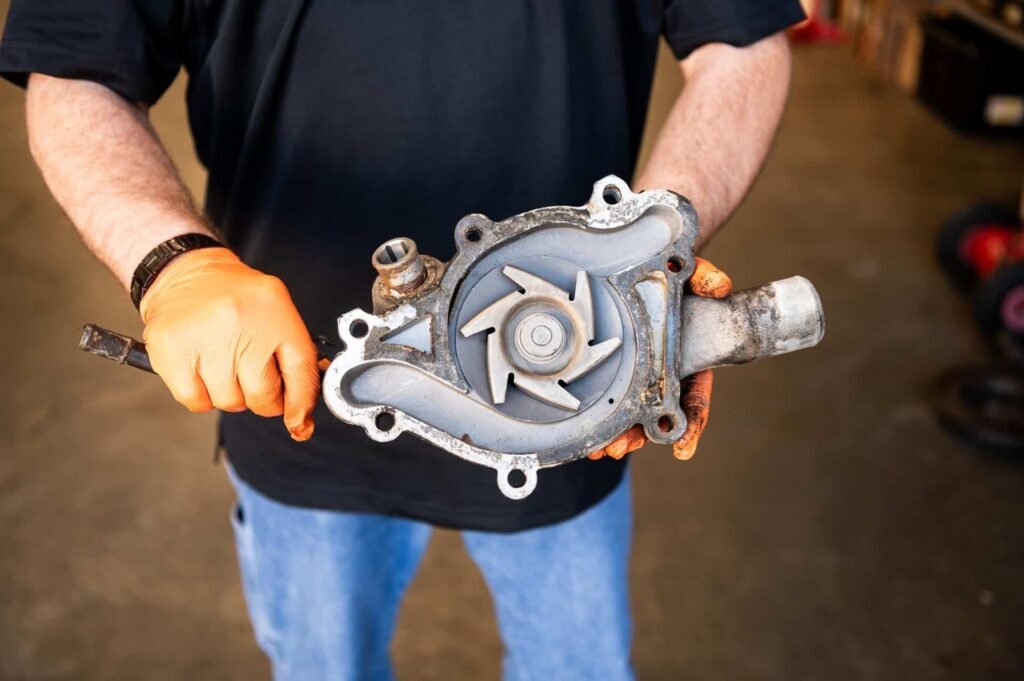
Your vehicle’s water pump circulates coolant through the engine, radiator, heater core, and related cooling-system passages. When the pump leaks, becomes noisy, loses circulation, or fails completely, the engine may overheat and suffer serious damage.
At Chuck’s Auto Repair – North Seattle, we provide professional water pump inspection, cooling-system diagnostics, leak testing, and water pump replacement for drivers throughout North Seattle. Our ASE-certified technicians inspect the complete cooling system, identify the source of coolant loss or overheating, and explain the recommended repair before approved work begins.
An overheating engine does not automatically mean the water pump has failed. Similar symptoms may be caused by low coolant, a radiator problem, thermostat, cooling fan, hose, pressure cap, trapped air, head gasket, or another cooling-system concern.
We test the system before replacing parts.
📞 Call (206) 526-1069 or Schedule Water Pump Service Online.
What Does the Water Pump Do?
The water pump moves engine coolant through the cooling system.
As the engine runs, combustion and friction create heat. Coolant absorbs that heat while passing through the engine and carries it to the radiator, where the heat is released into the surrounding air.
The water pump helps maintain this circulation.
A typical cooling system may include:
- Water pump
- Radiator
- Thermostat
- Engine coolant
- Upper and lower radiator hoses
- Heater hoses
- Coolant reservoir
- Pressure cap
- Cooling fans
- Heater core
- Temperature sensors
- Coolant passages
- Related seals, pipes, valves, and electrical controls
If the pump cannot circulate coolant properly, engine temperature may rise quickly.
Common Signs of a Water Pump Problem
Your vehicle may need cooling-system inspection if you notice:
- Coolant leaking near the front or side of the engine
- Coolant collecting beneath the vehicle
- Sweet coolant odor
- Engine overheating
- Temperature gauge running hotter than normal
- Coolant-temperature warning light
- Steam from under the hood
- Grinding, whining, or squealing near the pump
- Water pump pulley movement or wobble
- Repeatedly low coolant level
- Coolant residue around the pump
- Heater output changing unexpectedly
- Engine temperature fluctuating
- Cooling system losing pressure
- Check engine light related to engine temperature
- Engine overheating in traffic or under load
- Coolant contamination around the timing-cover area
- Belt noise near the water pump
These symptoms may involve the water pump, but they can also be caused by another cooling-system or belt-drive component.
Inspection and testing are needed to identify the source.
Why Is My Vehicle Overheating?
A failed water pump is one possible cause of overheating, but it is not the only one.
Other causes may include:
- Low coolant
- Radiator leak
- Restricted radiator
- Thermostat stuck closed
- Cooling fan failure
- Damaged radiator hose
- Collapsed hose
- Broken drive belt
- Faulty pressure cap
- Air trapped in the cooling system
- Incorrect coolant mixture
- Temperature-sensor concern
- Electrical fan-control problem
- Head gasket failure
- Cracked cylinder head
- Internal engine damage
The conditions under which the overheating occurs can help direct testing.
For example:
- Overheating in traffic may involve fan or airflow concerns.
- Overheating at highway speed may involve coolant flow, radiator restriction, thermostat, water pump, or engine concerns.
- Rapid pressure buildup may indicate combustion gases entering the cooling system.
- Overheating after recent cooling-system service may involve trapped air.
The water pump should not be replaced based on temperature alone.
What Should I Do If My Vehicle Overheats?
If the temperature warning light appears, the gauge enters the hot range, or steam is visible:
- Reduce engine load when it is safe.
- Turn off the air conditioning.
- Pull over safely.
- Shut off the engine.
- Allow the vehicle to cool.
- Do not remove a hot radiator or reservoir cap.
- Arrange inspection or towing if the vehicle cannot be driven safely.
A hot cooling system may release pressurized steam and boiling coolant.
Continuing to drive while overheating may damage:
- Head gasket
- Cylinder head
- Engine block
- Pistons
- Bearings
- Seals
- Catalytic converter
- Other engine components
Prompt shutdown may reduce the extent of damage.
How Does a Water Pump Fail?
Water pumps may fail in several ways.
Seal Failure
A seal inside the pump may begin leaking coolant.
The leak may appear around:
- Pump housing
- Weep hole
- Gasket surface
- Shaft area
- Timing cover on applicable engines
Bearing Failure
The pump bearing may become worn, loose, or noisy.
Possible signs include:
- Grinding
- Squealing
- Pulley wobble
- Belt misalignment
- Coolant leakage
- Pump seizure
Impeller Damage
The internal impeller moves the coolant.
It may become:
- Corroded
- Loose
- Broken
- Eroded
- Separated from the shaft
- Damaged by incorrect coolant or contamination
A pump may show little external leakage while providing poor circulation.
Housing or Gasket Failure
The pump housing, mounting surface, or gasket may leak.
Electrical Failure
Some modern vehicles use electric water pumps.
These may fail because of:
- Motor failure
- Wiring problem
- Control-module concern
- Sensor input
- Low voltage
- Internal electronic fault
- Communication problem
The type of failure determines the correct repair.
Why Is Coolant Leaking from the Water Pump?
A water pump may leak because of:
- Internal seal wear
- Bearing movement
- Corrosion
- Heat cycling
- Incorrect coolant
- Contaminated coolant
- Improper previous installation
- Damaged gasket
- Damaged mounting surface
- Excessive cooling-system pressure
- Pump housing damage
Some pumps have a weep hole designed to provide an external indication when the internal seal begins to fail.
A small amount of dry residue may not always indicate an active leak, but wetness, dripping, or repeated coolant loss should be investigated.
Water Pump Noise
A failing water pump may create:
- Grinding
- Growling
- Whining
- Squealing
- Rattling
- Chirping
However, similar sounds may come from:
- Belt tensioner
- Idler pulley
- Alternator
- Air-conditioning compressor
- Power-steering pump
- Timing components
- Serpentine belt
- Engine mount
- Other rotating accessories
The noise should be isolated before the water pump is replaced.
A listening test, belt removal, pulley inspection, or other diagnostic procedure may be needed depending on the vehicle.
Why Does My Heater Stop Working When the Engine Overheats?
The heater core depends on hot engine coolant flowing through it.
Poor heater output during an overheating event may be caused by:
- Low coolant
- Air trapped in the cooling system
- Poor coolant circulation
- Water pump concern
- Thermostat problem
- Heater-core restriction
- Severe coolant loss
If the heater suddenly turns cold while the engine temperature rises, the cooling system should be inspected promptly.
This can indicate low coolant or loss of circulation.
Our Water Pump Diagnostic Process
At Chuck’s Auto Repair – North Seattle, water pump concerns begin with a complete cooling-system evaluation.
1. Review the Symptoms and Vehicle History
We ask:
- When did the overheating or coolant loss begin?
- Is the vehicle leaking coolant?
- Does the concern happen in traffic, on the highway, or both?
- Has coolant recently been added?
- Has the water pump been replaced before?
- Has the engine previously overheated?
- Has timing belt or cooling-system work recently been performed?
- Are warning lights on?
- Is there noise from the belt or timing area?
2. Perform a Visual Inspection
We inspect accessible components for:
- Water pump leakage
- Coolant residue
- Radiator leaks
- Hose deterioration
- Reservoir damage
- Belt condition
- Pulley alignment
- Loose or damaged hardware
- Signs of overheating
- Signs of previous repair
- Corrosion
- Cooling fan concerns
3. Check Coolant Level and Condition
We inspect:
- Coolant level
- Coolant color
- Evidence of contamination
- Oil in the coolant
- Rust or scale
- Signs of mixed coolant types
- Debris
- Possible internal engine contamination
Coolant appearance alone does not confirm a diagnosis, but abnormal condition may indicate maintenance or internal-system concerns.
4. Pressure-Test the Cooling System
Pressure testing may help locate leaks from:
- Water pump
- Radiator
- Hoses
- Thermostat housing
- Reservoir
- Heater core
- Coolant pipes
- Gaskets
- Other external components
Some leaks occur only when the engine is hot or running, so additional testing may be needed.
5. Inspect Pump Bearing and Pulley Condition
When accessible, we may check for:
- Pulley movement
- Bearing roughness
- Wobble
- Belt misalignment
- Noise
- Resistance
6. Evaluate Coolant Circulation
Depending on the vehicle and symptom, we may evaluate:
- Temperature differences
- Coolant flow
- Heater output
- Thermostat operation
- Water pump operation
- Radiator performance
- Scan-tool temperature data
7. Test Cooling Fans and Controls
We may inspect:
- Fan motors
- Relays
- Fuses
- Wiring
- Temperature-sensor inputs
- Fan-control module
- Computer commands
- Fan-speed operation
8. Check for Internal Engine Concerns When Needed
If the system builds pressure rapidly, repeatedly pushes coolant out, or shows signs of internal leakage, testing may include:
- Combustion-gas testing
- Compression testing
- Cylinder leak-down testing
- Spark-plug inspection
- Fluid inspection
- Additional engine diagnostics
9. Explain the Findings
We explain:
- Whether the water pump is leaking or failing
- Whether another component caused the symptom
- Whether related parts should be considered
- Whether overheating may have caused additional damage
- What repair is recommended
- Whether further testing is needed
10. Verify the Repair
After approved repairs, we may:
- Refill the cooling system
- Bleed trapped air
- Pressure-test the system
- Verify fan operation
- Confirm normal engine temperature
- Inspect for leaks
- Road-test the vehicle when appropriate
What Water Pump Service May Include
Depending on the vehicle and diagnostic findings, service may include:
- Cooling-system inspection
- Pressure testing
- Water pump replacement
- Water pump gasket or seal replacement
- Belt inspection
- Serpentine-belt replacement
- Belt-tensioner inspection
- Idler-pulley inspection
- Timing-belt inspection
- Timing-belt replacement when appropriate
- Coolant replacement
- Thermostat inspection
- Radiator inspection
- Hose inspection
- Cooling-fan testing
- Leak diagnosis
- Cooling-system bleeding
- Temperature verification
- Post-repair pressure test
- Road testing
The exact service depends on the vehicle design, pump location, drive system, and confirmed findings.
Mechanical Water Pumps
Many vehicles use a mechanically driven water pump.
The pump may be driven by:
- Serpentine belt
- Accessory belt
- Timing belt
- Timing chain
- Gear drive
A mechanical pump may fail because of:
- Bearing wear
- Seal failure
- Impeller damage
- Pulley damage
- Belt-drive concern
- Corrosion
- Coolant contamination
The drive method affects the repair procedure and related recommendations.
Electric Water Pumps
Some modern vehicles use electric water pumps.
These pumps may operate independently of engine speed and may be controlled by the vehicle computer.
Possible electric-pump symptoms include:
- Overheating
- Intermittent temperature increase
- Cooling-system warning
- Pump-related trouble code
- Reduced heater performance
- Limp mode
- Pump not operating when commanded
- Electrical or communication fault
Diagnosis may require:
- Scan-tool testing
- Commanding the pump on
- Power and ground testing
- Wiring inspection
- Communication checks
- Coolant-temperature monitoring
- Control-module evaluation
An electric pump should not be replaced solely because a pump-related code is stored.
The circuit and control system should also be tested.
Water Pumps Driven by the Serpentine Belt
Some water pumps are driven by the external serpentine belt.
In these systems, the pump may be more accessible than one located behind timing covers.
Related components may include:
- Serpentine belt
- Tensioner
- Idler pulley
- Pump pulley
- Other accessories
If the belt breaks or comes off, the water pump may stop turning.
Depending on the vehicle, this may cause rapid overheating.
The belt and related pulleys should be inspected during water pump service.
Water Pumps Driven by the Timing Belt
On some engines, the timing belt drives the water pump.
This design means the pump and timing belt operate together behind timing covers.
A water pump problem may affect the timing belt through:
- Coolant leakage
- Bearing seizure
- Pulley movement
- Belt misalignment
- Excessive resistance
- Contamination
Because labor access overlaps, timing-belt components may be considered during water pump service.
The correct recommendation depends on:
- Manufacturer procedure
- Timing belt age
- Timing belt mileage
- Service history
- Pump condition
- Related component condition
- Labor overlap
A timing belt should not be ignored when a leaking or failed pump has contaminated or stressed the belt.
Should the Water Pump Be Replaced with the Timing Belt?
Sometimes.
Water pump replacement may be appropriate during timing belt service when:
- The pump is driven by the timing belt
- The pump is located behind the timing covers
- Manufacturer procedures recommend replacement
- The pump is leaking
- Bearing wear is found
- Service history is unknown
- Labor access significantly overlaps
- Age and mileage support replacement
- Failure later would require repeating substantial labor
However, not every timing-belt service automatically requires a water pump.
The recommendation should consider the specific engine, pump design, manufacturer guidance, condition, history, and repair value.
Should the Timing Belt Be Replaced with the Water Pump?
If the water pump is driven by the timing belt, timing belt replacement may be appropriate when:
- The belt is due by time or mileage
- Coolant has contaminated the belt
- Belt condition is questionable
- Service history is unknown
- The belt must be removed for pump access
- Tensioner or pulley wear is found
- Manufacturer procedures support replacement
Installing an old or contaminated timing belt over a new pump may not provide a reliable long-term repair.
We explain the condition and labor overlap before recommending related work.
Water Pump and Timing Chain Systems
Some engines use a timing chain to drive the water pump.
In these designs, the pump may be:
- Internal to the engine
- Behind a timing cover
- Driven directly by the chain
- Located where leakage can enter the engine oil
Water pump service on these engines may require substantial disassembly.
Possible concerns may include:
- Coolant leaking externally
- Coolant entering the engine oil
- Timing-chain contamination
- Bearing failure
- Overheating
- Internal engine damage
If coolant mixes with engine oil, prompt repair is important because contaminated oil can damage bearings and other internal components.
Internal Water Pump Leaks
Some water pumps are located inside or partly inside the engine.
A pump may leak internally rather than leaving a puddle beneath the vehicle.
Possible signs include:
- Coolant loss with no obvious external leak
- Milky engine oil
- Rising oil level
- Coolant contamination in the oil
- Engine overheating
- Bearing noise
- Cooling-system pressure loss
An internal leak may create serious engine damage if coolant reduces the oil’s ability to lubricate bearings and moving parts.
Testing and fluid inspection are important when an internal pump design is used.
Water Pump Impeller Failure
The impeller is the part of the pump that moves coolant.
Depending on the design, it may be made of:
- Metal
- Plastic
- Composite material
An impeller may:
- Crack
- Corrode
- Break
- Loosen from the shaft
- Lose efficiency
- Become damaged by debris or incorrect coolant
A pump with an impeller problem may not leak externally.
Possible symptoms include:
- Overheating
- Poor heater performance
- Temperature fluctuations
- Reduced coolant circulation
- Overheating under load
- Normal-looking exterior pump condition
Coolant-flow and temperature testing may be needed to identify the concern.
Water Pump Bearing Failure
The water pump shaft is supported by a bearing.
Bearing failure may cause:
- Grinding
- Growling
- Pulley wobble
- Belt misalignment
- Coolant leakage
- Pump seizure
- Belt damage
A seized pump may cause:
- Serpentine belt failure
- Timing belt failure
- Immediate loss of coolant circulation
- Engine overheating
- Damage to related components
A noisy or loose pump should be inspected before it causes additional damage.
Water Pump Gasket and Mounting Surface
The water pump seals against the engine using a gasket, seal, or manufacturer-specified sealing material.
Leakage may result from:
- Aged gasket
- Corroded mounting surface
- Improper cleaning
- Incorrect sealant
- Incorrect torque
- Warped housing
- Previous installation damage
- Reused sealing component
- Contamination
Proper installation requires:
- Correct gasket or seal
- Clean mating surfaces
- Correct tightening sequence
- Correct fastener torque
- Proper coolant
- Correct bleeding procedure
An installation error can create repeat leakage even when the pump itself is new.
Coolant Choice and Water Pump Life
The correct coolant helps protect:
- Water pump
- Radiator
- Engine block
- Cylinder head
- Heater core
- Seals
- Metal and aluminum components
Incorrect or contaminated coolant may contribute to:
- Corrosion
- Seal deterioration
- Deposits
- Scale
- Reduced heat transfer
- Pump impeller damage
- Restricted passages
Coolant color alone is not a reliable way to determine compatibility.
We verify the manufacturer-required specification before refilling the system.
Can Mixed Coolant Damage the Water Pump?
Mixing incompatible coolant formulations may contribute to:
- Deposits
- Reduced corrosion protection
- Sludge
- Seal concerns
- Restricted coolant flow
- Shortened service life
The severity depends on the formulations, amount mixed, vehicle design, and time in service.
If incompatible or contaminated coolant is found, the system may require corrective service.
The exact procedure depends on the vehicle and condition of the cooling system.
Why Cooling-System Bleeding Matters After Water Pump Replacement
Air may become trapped after the system is opened.
Trapped air may cause:
- Overheating
- Temperature fluctuations
- Poor heater output
- Coolant overflow
- Water pump cavitation
- Incorrect coolant level
- False temperature readings
- Repeat customer concerns
Some vehicles require:
- Vacuum filling
- Specific bleed screws
- Heater operation
- Scan-tool commands
- Electric-pump activation
- Multiple warm-up and cool-down cycles
- Manufacturer-specific procedures
Proper bleeding is an important part of water pump service.
Water Pump Cavitation
Cavitation occurs when vapor bubbles form and collapse within the coolant flow.
It may contribute to:
- Impeller erosion
- Noise
- Reduced circulation
- Pump damage
- Cooling-system performance loss
Possible contributors include:
- Low coolant level
- Trapped air
- Incorrect coolant mixture
- Restricted flow
- Poor system pressure
- Incorrect pump
- High operating temperature
Correct filling and system operation help reduce cavitation risk.
Water Pump and Thermostat Problems
A failing water pump and a faulty thermostat may create similar symptoms.
Water Pump Concern
May involve:
- Coolant leak
- Bearing noise
- Poor circulation
- Pulley movement
- Overheating
Thermostat Concern
May involve:
- Rapid overheating
- Slow warm-up
- Engine running too cool
- Weak heater output
- Temperature-related trouble codes
- Temperature fluctuations
Testing helps determine which component is responsible.
Replacing both automatically may not be necessary unless condition, access, manufacturer procedure, or repair value supports it.
Water Pump and Radiator Problems
A vehicle may overheat because the pump is not moving coolant or because the radiator cannot release heat effectively.
Radiator concerns may include:
- Internal restriction
- External airflow blockage
- Leaking tank
- Damaged core
- Corrosion
- Cooling-fan problem
Water pump replacement will not correct a restricted radiator.
Radiator replacement will not correct a pump that is not circulating coolant.
The complete cooling system should be evaluated.
Water Pump and Cooling Fan Problems
Cooling fans provide airflow through the radiator at low speed and while the vehicle is stopped.
A vehicle may have normal coolant circulation but still overheat if the fans do not operate.
Fan problems may involve:
- Fan motor
- Relay
- Fuse
- Wiring
- Temperature sensor
- Fan-control module
- Computer command
- Damaged fan blade
An overheating vehicle should be checked for both coolant flow and airflow.
Water Pump and Head Gasket Problems
A head gasket can create symptoms similar to water pump failure.
Possible signs include:
- Overheating
- Coolant loss
- Cooling-system pressure
- Coolant being pushed from the reservoir
- White exhaust smoke
- Startup misfire
- Bubbles in the reservoir
- Oil and coolant contamination
A water pump leak may also cause overheating severe enough to damage the head gasket.
If the engine has overheated significantly, internal engine testing may be needed before or after the pump repair.
Can a Failed Water Pump Damage the Engine?
Yes.
A failed pump may stop or reduce coolant circulation.
Repeated or severe overheating may damage:
- Head gasket
- Cylinder head
- Engine block
- Pistons
- Bearings
- Valve-train components
- Seals
- Engine oil
- Catalytic converter
The amount of damage depends on:
- Temperature reached
- Duration of overheating
- Coolant level
- Engine design
- Pump failure type
- Whether the engine was shut off promptly
Repairing the pump restores circulation, but it does not automatically reverse damage already caused by overheating.
Can a Water Pump Fail Without Leaking?
Yes.
A pump may have:
- Broken impeller
- Loose impeller
- Weak electric motor
- Internal bearing problem
- Reduced output
- Electrical control fault
- Internal circulation failure
These problems may reduce coolant flow without creating an obvious external leak.
Temperature data, heater performance, coolant-flow evaluation, electrical testing, or additional inspection may be needed.
Can a Water Pump Leak Only When the Engine Is Hot?
Yes.
Heat and cooling-system pressure may cause a leak to appear only when the engine reaches operating temperature.
A leak may stop or become less visible after the engine cools.
This is why some cooling-system leaks require:
- Pressure testing
- Hot inspection
- Road testing
- Tracer dye
- Repeated inspection
- Testing under the conditions that create the symptom
Dry residue may provide evidence even when the pump is not actively dripping during the appointment.
Can Stop-Leak Products Repair a Water Pump?
Stop-leak products do not repair a worn bearing, damaged seal, broken impeller, or electrical pump failure.
They may temporarily reduce some small leaks, but results are unpredictable.
Sealant may also collect in:
- Radiator passages
- Heater core
- Thermostat
- Cooling-system valves
- Small coolant passages
- Reservoir hoses
A confirmed mechanical water pump problem should be repaired properly.
Water Pump Replacement Labor
Water pump replacement time varies significantly by vehicle.
Access may require removal of:
- Serpentine belt
- Belt tensioner
- Pulley
- Engine mount
- Timing covers
- Timing belt
- Intake components
- Cooling-system components
- Engine brackets
- Additional vehicle-specific parts
Some pumps are mounted externally and are relatively accessible.
Others are located behind timing components or inside the engine and require extensive labor.
A meaningful estimate must be based on the specific vehicle and engine.
Why Related Components May Be Recommended
During water pump replacement, related components may be considered when they are:
- Worn
- Leaking
- Due by mileage or time
- Contaminated
- Damaged by the pump failure
- Required by manufacturer procedure
- Difficult to access after reassembly
- Sharing substantial labor
Possible related items include:
- Timing belt
- Belt tensioner
- Idler pulleys
- Serpentine belt
- Thermostat
- Hoses
- Coolant
- Seals
- Engine mount
- Radiator cap
This does not mean every nearby part should automatically be replaced.
Recommendations should be based on condition, service history, manufacturer guidance, access, and repair value.
Why Proper Water Pump Diagnosis Matters
Water pump symptoms overlap with many other concerns.
Overheating may involve:
- Water pump
- Radiator
- Thermostat
- Cooling fan
- Low coolant
- Head gasket
Coolant loss may involve:
- Water pump
- Radiator
- Hose
- Reservoir
- Heater core
- Internal engine leak
Noise may involve:
- Water pump
- Belt tensioner
- Idler pulley
- Alternator
- Air-conditioning compressor
- Timing component
Poor heater output may involve:
- Low coolant
- Air trapped in the system
- Water pump
- Thermostat
- Heater core
Replacing the pump based only on one symptom may not correct the actual cause.
Our approach is to inspect, test, confirm, explain, and then repair.
Preventing Water Pump and Cooling-System Problems
Not every pump failure can be prevented, but proper cooling-system care may reduce avoidable damage.
Helpful steps include:
- Use the correct coolant
- Follow manufacturer coolant-service intervals
- Maintain the correct coolant level
- Repair coolant leaks promptly
- Investigate pump noise
- Address belt or pulley concerns
- Replace timing components when due
- Avoid repeatedly adding coolant without finding the leak
- Stop driving when the engine overheats
- Inspect hoses and belts
- Have the system checked before a long trip when symptoms are present
- Repair oil or coolant contamination near timing components
- Keep maintenance records
- Use vehicle-specific parts and procedures
Early repair may prevent overheating from becoming major engine damage.
Why Choose Chuck’s Auto Repair – North Seattle?
- AAA-approved auto repair facility
- ASE-certified technicians
- Trusted by Seattle-area drivers for more than 30 years
- Professional water pump and cooling-system diagnostics
- Cooling-system pressure testing
- Mechanical and electric water pump evaluation
- Inspection of radiator, thermostat, fans, hoses, belts, and related components
- Testing before parts replacement
- Correct vehicle-specific coolant
- Proper cooling-system filling and bleeding
- Clear explanations before repairs are performed
- 24-month / 24,000-mile parts and labor warranty
- 12-month / 12,000-mile nationwide warranty coverage
- Convenient North Seattle location
We do not assume every overheating concern needs a water pump.
We inspect the complete cooling system to determine why the vehicle is losing coolant, running hot, or failing to circulate coolant properly.
Warranty Protection for Qualifying Water Pump Repairs
Qualifying water pump and cooling-system repairs are backed by our 24-month / 24,000-mile parts and labor warranty.
The warranty also includes 12-month / 12,000-mile nationwide coverage, providing additional protection if you need warranty assistance while traveling away from Seattle.
The nationwide 1-800 assistance information is printed on every repair invoice. Customers also receive a warranty keytag for convenient access while on the road.
Warranty coverage depends on the repair performed, parts installed, and applicable terms.
Convenient Water Pump Repair in North Seattle
Chuck’s Auto Repair – North Seattle
9115 Roosevelt Way NE
Seattle, WA 98115
We provide water pump inspection, cooling-system diagnostics, leak testing, and qualifying repairs for drivers throughout:
Maple Leaf • Roosevelt • Northgate • Green Lake • Wedgwood • University District • Ravenna • Lake City • Wallingford • Greenwood
📞 Call (206) 526-1069 to schedule water pump service.
Water Pump FAQs
How do I know whether my water pump is bad?
Common signs include coolant leakage near the pump, grinding or whining, pulley wobble, overheating, poor coolant circulation, or repeated coolant loss. Testing is needed because other cooling-system components can cause similar symptoms.
Can a bad water pump cause overheating?
Yes. A leaking, seized, damaged, or weak pump may reduce coolant circulation and cause the engine to overheat.
Can a water pump fail without leaking?
Yes. The impeller may fail, an electric pump may stop operating, or the pump may lose circulation without an obvious external leak.
Why is coolant leaking near the water pump?
Possible causes include internal seal failure, gasket leakage, bearing movement, corrosion, housing damage, or excessive cooling-system pressure.
Can I drive with a leaking water pump?
Driving with an active coolant leak may cause low coolant and overheating. The risk depends on the leak rate and engine temperature, but prompt inspection is recommended.
What happens if the water pump stops working?
Coolant circulation may stop, causing rapid overheating and possible engine damage.
Can a bad water pump make noise?
Yes. Bearing failure may create grinding, growling, whining, or squealing. Similar noises may also come from other belt-driven components.
Can a bad water pump cause the heater to blow cold air?
Yes. Poor coolant circulation or low coolant may reduce heater-core flow and cause weak or cold heater output.
Does every water pump use the serpentine belt?
No. A pump may be driven by the serpentine belt, timing belt, timing chain, gears, or an electric motor.
Should the water pump be replaced with the timing belt?
It may be appropriate when the pump is timing-belt driven, access overlaps, condition supports replacement, or manufacturer procedures recommend it.
Should the timing belt be replaced with the water pump?
It may be appropriate if the belt is due, contaminated, damaged, has unknown history, or must be removed for pump access.
Can a leaking water pump damage the timing belt?
Yes. Coolant contamination, bearing movement, or pump seizure may damage a timing belt or related components.
Can a water pump leak internally?
Yes. Some engine designs allow pump leakage into the engine oil or behind internal covers.
What does a water pump weep hole do?
The weep hole may allow coolant to escape when an internal pump seal begins to fail, providing a visible warning of leakage.
Can a thermostat problem look like a water pump problem?
Yes. Both may cause overheating, temperature changes, or poor heater performance.
Can a radiator problem look like a water pump problem?
Yes. A restricted or leaking radiator may create similar overheating and coolant-loss symptoms.
Can a failed water pump damage the head gasket?
Yes. If pump failure causes severe overheating, the head gasket, cylinder head, or other engine parts may be damaged.
Can a water pump be repaired instead of replaced?
Most modern automotive water pumps are replaced as assemblies when they fail. Repairability depends on the specific design.
How long does water pump replacement take?
Timing depends on the engine design, pump location, access, timing components, parts availability, and whether related repairs are needed.
Do water pump repairs include a warranty?
Qualifying repairs are backed by our 24-month / 24,000-mile parts and labor warranty, including 12-month / 12,000-mile nationwide warranty coverage.
Schedule Water Pump Repair in North Seattle
If your vehicle is overheating, losing coolant, making noise near the water pump, or showing signs of poor coolant circulation, schedule an inspection with Chuck’s Auto Repair – North Seattle.
Our ASE-certified technicians will inspect and test the water pump and complete cooling system, explain the confirmed findings, and recommend repairs based on evidence.
📞 Call (206) 526-1069 or Book Water Pump Service Online.