Clutch Service & Repair in North Seattle
AAA-approved auto repair • ASE-certified technicians • Trusted by Seattle-area drivers for more than 30 years
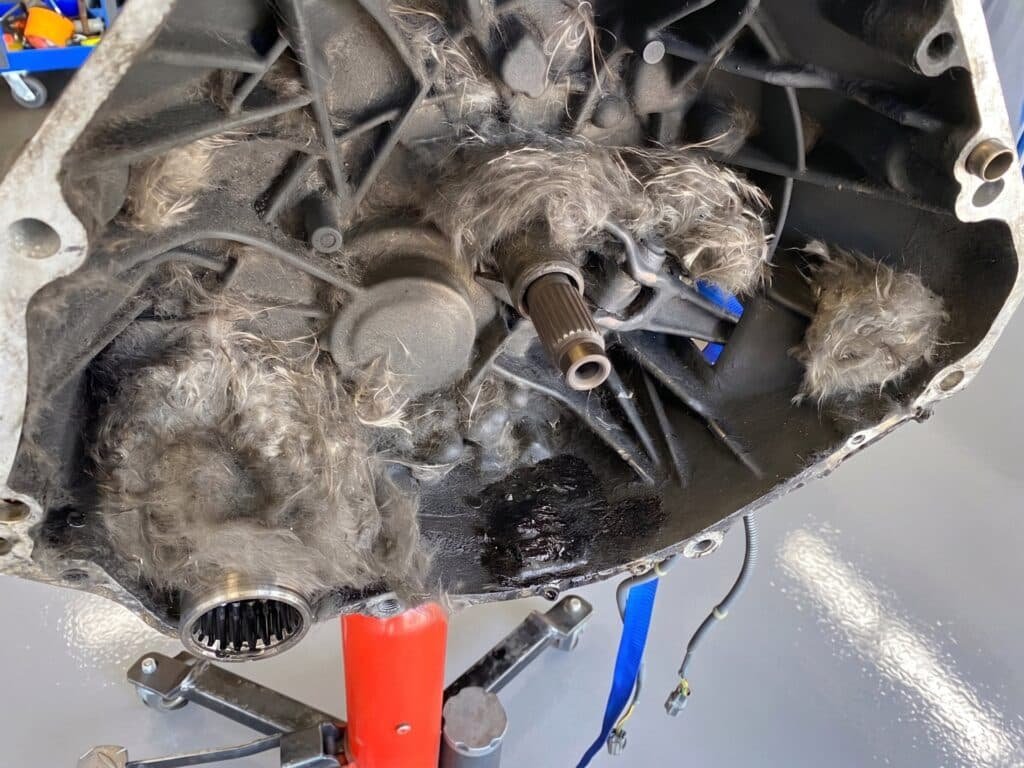
Your vehicle’s clutch connects the engine to the manual transmission and allows power to be transferred smoothly to the drive wheels. Every time you start moving, shift gears, or stop the vehicle, the clutch system must engage and release correctly.
At Chuck’s Auto Repair – North Seattle, we provide professional clutch inspection, diagnosis, maintenance, and repair for manual-transmission vehicles. If the clutch is slipping, the pedal feels different, shifting has become difficult, or you hear unusual noises when pressing the clutch pedal, our ASE-certified technicians can inspect the system and determine the cause.
Clutch symptoms do not always mean the clutch disc itself has failed. Similar concerns may involve the pressure plate, flywheel, release bearing, pilot bearing, hydraulic system, clutch cable, transmission, mounts, or other drivetrain components. We inspect and test the system before recommending repairs.
📞 Call (206) 526-1069 or Schedule Clutch Service Online.
How a Manual-Transmission Clutch Works
The clutch allows the engine and transmission to connect and disconnect as the driver changes gears.
A typical clutch system may include:
- Clutch disc
- Pressure plate
- Flywheel
- Release bearing
- Pilot bearing or bushing
- Clutch fork
- Clutch master cylinder
- Clutch slave cylinder
- Hydraulic lines
- Clutch cable on applicable vehicles
- Pedal linkage
- Related seals, mounts, and hardware
When the clutch pedal is released, the clutch disc is held against the flywheel so engine power can pass through the transmission.
When the pedal is pressed, the clutch releases, allowing the driver to shift gears.
Wear, hydraulic problems, adjustment concerns, or damaged components can prevent the clutch from engaging or releasing properly.
Common Signs You May Need Clutch Service
Your vehicle may need clutch inspection or repair if you notice:
- Engine speed increases without matching vehicle acceleration
- Clutch slips during acceleration
- Difficulty shifting gears
- Grinding while shifting
- Clutch pedal feels soft or spongy
- Clutch pedal feels unusually hard
- Clutch pedal stays near the floor
- Engagement point has changed
- Vehicle shudders when starting from a stop
- Burning smell after driving
- Rattling or squealing when pressing the clutch pedal
- Noise that changes when the clutch is engaged or released
- Hydraulic fluid leak
- Vehicle creeps forward with the pedal fully depressed
- Transmission will not go into gear
- Clutch engages suddenly or inconsistently
Some clutch problems develop gradually, making it easy to become accustomed to changes in pedal feel or engagement.
If shifting or clutch operation has changed, the system should be inspected.
What Does a Slipping Clutch Feel Like?
A slipping clutch cannot fully transfer engine power to the transmission.
Common signs include:
- Engine RPM rises during acceleration
- Vehicle speed does not increase normally
- Slipping becomes worse on hills
- Slipping occurs under heavier acceleration
- Burning smell
- Poor acceleration
- Difficulty maintaining speed under load
Clutch slipping may be caused by:
- Worn clutch disc
- Weak or damaged pressure plate
- Oil contamination
- Flywheel concerns
- Hydraulic system not allowing complete engagement
- Incorrect adjustment on applicable vehicles
- Excessive heat damage
Continuing to drive with a slipping clutch can generate additional heat and damage other components.
Why Is My Clutch Pedal Soft or Spongy?
A soft or spongy clutch pedal may indicate a problem in the hydraulic system.
Possible causes include:
- Low hydraulic fluid
- Air in the hydraulic system
- Leaking clutch master cylinder
- Leaking clutch slave cylinder
- Damaged hydraulic line
- Internal seal failure
- Fluid contamination
- Pedal linkage concern
A hydraulic problem may prevent the clutch from fully releasing, making the vehicle difficult to shift.
Visible leaks, a pedal that remains near the floor, or sudden changes in pedal feel should be inspected promptly.
Why Is My Clutch Pedal Hard to Press?
A clutch pedal that requires excessive effort may involve:
- Pressure-plate concerns
- Binding release mechanism
- Worn clutch cable
- Damaged cable routing
- Clutch-fork concerns
- Release-bearing problems
- Pedal linkage problems
- Hydraulic restriction
- Internal clutch wear
Because several components can cause a heavy pedal, inspection is needed before determining whether the clutch assembly or another part requires repair.
Why Is My Vehicle Difficult to Shift?
Difficulty shifting does not always mean the transmission itself has failed.
Possible causes include:
- Clutch not fully releasing
- Hydraulic clutch problem
- Clutch cable adjustment or wear
- Worn clutch disc
- Pressure-plate concern
- Release-bearing or fork problem
- Transmission fluid condition
- Internal transmission wear
- Shift linkage concern
- Engine or transmission mount problem
If the vehicle shifts normally with the engine off but becomes difficult to shift while the engine is running, the clutch may not be releasing completely.
Professional inspection helps distinguish a clutch problem from a transmission or linkage concern.
Why Does My Clutch Shudder or Chatter?
Clutch shudder or chatter may occur when starting from a stop or releasing the clutch pedal.
Possible causes include:
- Uneven clutch-disc engagement
- Flywheel surface concerns
- Heat damage
- Oil or fluid contamination
- Pressure-plate concerns
- Worn engine or transmission mounts
- Improper clutch operation
- Damaged or worn drivetrain components
Shudder should be inspected before assuming the clutch disc is the only source of the problem.
Why Does My Clutch Smell Burned?
A burning odor may occur when the clutch overheats.
Possible causes include:
- Clutch slipping
- Riding the clutch pedal
- Holding the vehicle on a hill with the clutch
- Repeated stop-and-go driving
- Heavy loads
- Worn clutch components
- Incomplete engagement
- Oil or fluid contamination
Occasional brief odor after unusually demanding driving may not always indicate failure. Persistent odor or slipping should be inspected.
Our Clutch Diagnostic Process
At Chuck’s Auto Repair – North Seattle, clutch concerns begin with a professional evaluation.
1. Discuss the Symptoms
We ask when the problem occurs and how the vehicle behaves.
Helpful details may include:
- Which gears are difficult to select
- Whether slipping happens under load
- Whether the pedal feel has changed
- Whether noise occurs with the pedal up or down
- Whether fluid has been seen beneath the vehicle
- Whether the concern is worse when cold or hot
- Whether previous clutch work has been performed
2. Check Clutch-Pedal Operation
We evaluate:
- Pedal travel
- Engagement point
- Pedal effort
- Return action
- Free play when applicable
- Signs of hydraulic or linkage problems
3. Inspect the Hydraulic or Cable System
Depending on the vehicle, we inspect:
- Clutch master cylinder
- Clutch slave cylinder
- Hydraulic lines
- Fluid level
- Visible leaks
- Clutch cable
- Cable routing
- Linkage and attachment points
4. Evaluate Clutch Engagement
We assess whether the clutch engages smoothly, slips, drags, shudders, or releases incompletely.
5. Road Test When Appropriate
A road test may help confirm slipping, vibration, engagement concerns, shifting difficulty, or unusual noise.
6. Inspect Related Systems
Because clutch symptoms can overlap with other concerns, we may also evaluate:
- Transmission operation
- Shift linkage
- Engine and transmission mounts
- Driveline components
- Fluid leaks
- Related bearings
7. Explain the Findings
We explain what was found, what is causing the concern, and which repairs are recommended.
8. Verify the Repair
After approved repairs are completed, we verify pedal operation, engagement, shifting, and road-test the vehicle when appropriate.
This process helps avoid replacing a clutch assembly when a hydraulic, linkage, or related problem is responsible.
What Clutch Service May Include
Depending on the vehicle and inspection findings, service may include:
- Clutch-system inspection
- Clutch-disc replacement
- Pressure-plate replacement
- Release-bearing replacement
- Pilot-bearing or bushing replacement
- Flywheel inspection
- Flywheel replacement when required
- Dual-mass flywheel inspection or replacement
- Clutch master-cylinder replacement
- Clutch slave-cylinder replacement
- Hydraulic-line repair
- Hydraulic-system bleeding
- Clutch-cable replacement
- Linkage inspection or adjustment
- Transmission removal and installation
- Fluid-leak repair
- Engine or transmission mount inspection
- Post-repair testing and road verification
The exact repair depends on the vehicle design, symptoms, inspection findings, and component condition.
Clutch Disc and Pressure Plate Service
The clutch disc is the friction component that transfers engine power to the transmission.
The pressure plate holds the clutch disc against the flywheel.
These components can wear because of:
- Normal mileage
- Heat
- Stop-and-go driving
- Frequent hill starts
- Heavy loads
- Driver habits
- Oil contamination
- Incomplete clutch engagement
- Related component problems
When clutch replacement is required, related components should be inspected carefully because the labor involved in accessing the clutch is significant.
A complete repair may include replacing multiple clutch components rather than only the worn disc.
Flywheel Inspection and Replacement
The flywheel provides the surface against which the clutch disc engages.
Flywheel concerns may include:
- Heat damage
- Cracking
- Uneven wear
- Excessive scoring
- Damaged friction surface
- Excessive movement in a dual-mass flywheel
- Contamination
- Damage from a failed clutch
The correct repair depends on flywheel design, condition, and manufacturer specifications.
Some vehicles use a solid flywheel, while others use a dual-mass flywheel designed to reduce vibration.
We inspect the flywheel and explain whether it can remain in service or requires replacement.
Clutch Release Bearing and Pilot Bearing
The release bearing helps disengage the clutch when the pedal is pressed.
A failing release bearing may cause:
- Squealing
- Rattling
- Grinding
- Noise when pressing the pedal
- Rough clutch operation
A pilot bearing or bushing supports the transmission input shaft on applicable vehicles.
Wear may contribute to:
- Noise
- Vibration
- Difficult shifting
- Transmission input-shaft movement
Because these components are located inside the clutch housing, they are commonly inspected during clutch replacement.
Clutch Master and Slave Cylinder Service
Many modern manual-transmission vehicles use hydraulic pressure to operate the clutch.
The clutch master cylinder creates pressure when the pedal is pressed. The slave cylinder uses that pressure to release the clutch.
Possible hydraulic-system symptoms include:
- Soft or spongy pedal
- Pedal stays on the floor
- Fluid leakage
- Difficulty shifting
- Inconsistent engagement
- Frequent need to add fluid
- Air entering the system
Some vehicles use an internal slave cylinder or concentric release bearing located inside the transmission bellhousing.
Proper diagnosis helps determine whether the problem is hydraulic or mechanical.
Clutch Cable and Linkage Service
Some vehicles use a mechanical cable or linkage instead of a hydraulic system.
Possible concerns include:
- Cable stretching
- Binding
- Fraying
- Incorrect adjustment
- Broken cable
- Damaged linkage
- Excessive pedal effort
- Clutch not fully releasing
Cable condition, routing, adjustment, and related hardware should be inspected before clutch replacement is recommended.
Why Proper Clutch Diagnosis Matters
Clutch and transmission symptoms can overlap.
For example, difficult shifting may involve:
- Clutch hydraulic system
- Clutch disc or pressure plate
- Shift linkage
- Transmission fluid
- Internal transmission components
A vibration may involve:
- Clutch assembly
- Flywheel
- Engine mounts
- Transmission mounts
- CV axles
- Driveline components
A noise may involve:
- Release bearing
- Pilot bearing
- Transmission bearing
- Input shaft
- Clutch fork
- Other drivetrain components
Replacing the clutch without confirming the source may not correct the original concern.
Our approach is to inspect, test, identify, explain, and then repair.
How Long Does a Clutch Last?
There is no single mileage interval that applies to every clutch.
Clutch life depends on:
- Driving habits
- Traffic conditions
- Hills
- Vehicle weight
- Towing or heavy loads
- Clutch design
- Component quality
- Hydraulic or linkage condition
- Oil or fluid contamination
- Previous repairs
A clutch driven primarily on highways may last longer than one used regularly in heavy stop-and-go traffic or on steep hills.
Clutch condition should be evaluated based on symptoms and inspection findings rather than mileage alone.
Driving Habits That Can Affect Clutch Wear
Certain habits can increase clutch heat and wear.
These include:
- Resting a foot on the clutch pedal
- Holding the vehicle on a hill with the clutch
- Releasing the clutch slowly for extended periods
- Excessive slipping during acceleration
- Starting in the wrong gear
- Carrying heavy loads
- Aggressive shifting
- Repeated stop-and-go driving
Using the parking brake on hills and fully releasing the clutch pedal while driving can help reduce unnecessary wear.
Why Choose Chuck’s Auto Repair – North Seattle?
- AAA-approved auto repair facility
- ASE-certified technicians
- Trusted by Seattle-area drivers for more than 30 years
- Professional clutch and drivetrain inspection
- Hydraulic, cable, and mechanical clutch diagnosis
- Recommendations based on confirmed findings
- Clear explanations before repairs are performed
- 24-month / 24,000-mile parts and labor warranty
- 12-month / 12,000-mile nationwide warranty coverage
- Convenient North Seattle location
We do not assume every shifting concern requires clutch replacement.
We inspect the clutch controls, hydraulic system, linkage, transmission operation, and related components before recommending repairs.
Warranty Protection for Qualifying Clutch Repairs
Qualifying repairs are backed by our 24-month / 24,000-mile parts and labor warranty.
The warranty also includes 12-month / 12,000-mile nationwide coverage, giving you added protection if you need warranty assistance while traveling away from Seattle.
The nationwide 1-800 assistance information is printed on every repair invoice. Customers also receive a keytag containing the warranty information for convenient access while on the road.
Convenient Clutch Repair in North Seattle
Chuck’s Auto Repair – North Seattle
9115 Roosevelt Way NE
Seattle, WA 98115
We provide clutch inspections, diagnostics, and repair for drivers throughout:
Maple Leaf • Roosevelt • Northgate • Green Lake • Wedgwood • University District • Ravenna • Lake City • Wallingford • Greenwood
📞 Call (206) 526-1069 to schedule a clutch inspection.
Clutch Service FAQs
How do I know if my clutch is slipping?
A slipping clutch often causes engine RPM to rise without a matching increase in vehicle speed. The symptom may become more noticeable during acceleration, on hills, or under heavier load.
Can I keep driving with a slipping clutch?
The vehicle may remain driveable temporarily, but slipping creates heat and can damage the clutch, flywheel, and related components. The vehicle should be inspected promptly.
Why is it difficult to put my vehicle into gear?
The clutch may not be releasing fully, or the concern may involve the hydraulic system, cable, linkage, transmission fluid, or internal transmission components. Diagnosis is needed before repairs are recommended.
Why does my clutch pedal stay on the floor?
This may indicate a failed clutch master cylinder, slave cylinder, hydraulic leak, air in the system, broken cable, linkage problem, or another clutch-control concern.
Why does my clutch shudder when starting from a stop?
Shudder may involve clutch-disc wear, flywheel condition, contamination, pressure-plate concerns, mounts, or another drivetrain issue.
What causes a burning clutch smell?
The smell may be caused by excessive clutch slipping, overheating, holding the vehicle on a hill with the clutch, heavy traffic, or worn components.
Does every clutch repair require a new flywheel?
No. The flywheel must be inspected. Replacement depends on its condition, design, measurements, and manufacturer requirements.
What is a dual-mass flywheel?
A dual-mass flywheel uses internal components to reduce engine and drivetrain vibration. Wear or excessive movement may require replacement during clutch service.
Should the release bearing be replaced with the clutch?
Because the release bearing is located inside the clutch housing, it is commonly replaced during a complete clutch repair. The final recommendation depends on the vehicle and repair requirements.
Can a hydraulic problem feel like a bad clutch?
Yes. A leaking or failing master cylinder, slave cylinder, or hydraulic line can prevent the clutch from releasing properly and create shifting problems.
How long does clutch replacement take?
Timing depends on the vehicle design, drivetrain layout, parts availability, and whether related components require repair. We can provide a better estimate after inspecting the vehicle.
Do clutch repairs include a warranty?
Qualifying repairs are backed by our 24-month / 24,000-mile parts and labor warranty, including 12-month / 12,000-mile nationwide warranty coverage.
Schedule Clutch Repair in North Seattle
If your clutch is slipping, shifting has become difficult, the pedal feels different, or you hear unusual noises when engaging or releasing the clutch, schedule an inspection with Chuck’s Auto Repair – North Seattle.
Our ASE-certified technicians will inspect the clutch system, explain what they find, and recommend repairs based on your vehicle’s actual condition.
📞 Call (206) 526-1069 or Book Clutch Service Online.