CV Axle Service & Repair in North Seattle
AAA-approved auto repair • ASE-certified technicians • Trusted by Seattle-area drivers for more than 30 years
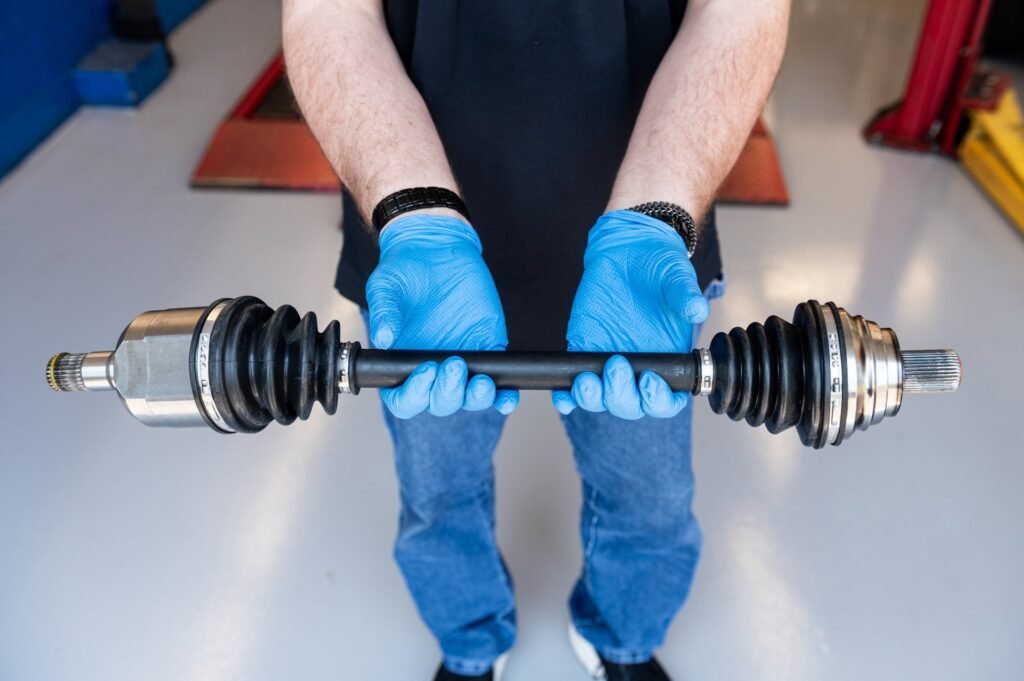
Your vehicle’s CV axles transfer power from the transmission or differential to the drive wheels while allowing the suspension and steering to move. A worn CV joint, torn protective boot, leaking grease, or damaged axle can cause clicking, vibration, clunking, or drivability concerns.
At Chuck’s Auto Repair – North Seattle, we provide professional CV axle inspection, diagnosis, and replacement for drivers throughout North Seattle. If you hear clicking while turning, feel vibration during acceleration, notice grease near a wheel, or suspect a drivetrain problem, our ASE-certified technicians can inspect the vehicle and determine the cause.
Clicking or vibration does not automatically mean the CV axle has failed. Similar symptoms may involve wheel bearings, tires, suspension components, engine or transmission mounts, driveshafts, differentials, or other drivetrain parts. We inspect the related systems before recommending repairs.
📞 Call (206) 526-1069 or Schedule CV Axle Service Online.
What Is a CV Axle?
A CV axle—also called a constant-velocity axle or half shaft—transfers rotational power to the drive wheels.
CV axles are commonly used on:
- Front-wheel-drive vehicles
- All-wheel-drive vehicles
- Many four-wheel-drive vehicles
- Some rear-wheel-drive applications with independent suspension
A typical CV axle may include:
- Axle shaft
- Inner CV joint
- Outer CV joint
- Protective CV boots
- Grease
- Clamps
- Splined ends
- Related seals and hardware
The CV joints allow the axle to operate while the wheels move up and down with the suspension and turn with the steering.
Because CV joints operate at changing angles and speeds, they rely on proper lubrication and intact protective boots.
What Does a CV Joint Do?
A CV joint transfers power smoothly while allowing movement between the drivetrain and wheels.
The outer CV joint usually accommodates steering movement. The inner CV joint commonly allows changes in axle length and suspension position as the vehicle moves over bumps and uneven roads.
A properly operating CV joint should transfer power without:
- Clicking
- Binding
- Excessive vibration
- Clunking
- Grease leakage
- Irregular movement
When a CV joint wears or loses lubrication, it may begin producing noise or vibration.
Common Signs You May Need CV Axle Service
Your vehicle may need CV axle inspection if you notice:
- Clicking or popping while turning
- Clunking during acceleration or deceleration
- Vibration while accelerating
- Shuddering under load
- Grease around the inside of a wheel
- Grease on suspension or brake components
- Torn or cracked CV boot
- Drivetrain noise
- Binding during turns
- Vibration that changes with vehicle speed
- Noise when shifting between drive and reverse
- Vehicle movement that feels rough or inconsistent
- Visible axle damage
- Fluid leakage near an axle seal
These symptoms can have several possible causes. A professional inspection helps determine whether the concern is the CV axle or another related component.
Why Does My Car Click When Turning?
A clicking or popping noise during turns is a common symptom of a worn outer CV joint.
The noise may become more noticeable:
- During tight turns
- While accelerating through a turn
- When the steering wheel is turned sharply
- When turning in one direction more than the other
- At low speeds in parking lots
Possible causes include:
- Worn outer CV joint
- Loss of CV joint grease
- Torn CV boot
- Contamination inside the joint
- Excessive joint play
- Damaged axle components
- Other steering or suspension concerns
Although clicking while turning often points toward a CV joint, the vehicle should still be inspected before an axle is replaced.
Why Does My Vehicle Vibrate During Acceleration?
A worn inner CV joint may cause vibration or shuddering during acceleration.
The vibration may:
- Become stronger under load
- Improve when the accelerator is released
- Occur at certain speeds
- Be felt through the floor or seat
- Become more noticeable on hills
- Change as the suspension moves
Other possible causes include:
- Tire or wheel problems
- Engine or transmission mounts
- Driveshaft concerns
- Wheel bearings
- Suspension wear
- Differential problems
- Transmission concerns
- Bent or damaged axle
Because many components can cause vibration, inspection and road testing are important before repairs are recommended.
What Is a CV Boot?
The CV boot is a flexible protective cover that keeps grease inside the CV joint and helps prevent dirt, water, and road debris from entering.
CV boots may deteriorate because of:
- Age
- Heat
- Road debris
- Rubber fatigue
- Physical damage
- Suspension movement
- Oil or chemical exposure
- Improper installation
A damaged boot may leak grease. Once lubrication is lost and contamination enters the joint, internal wear can develop quickly.
Signs of a Torn CV Boot
Possible signs include:
- Grease splattered inside the wheel
- Grease on suspension components
- Visible cracks or tears
- Loose or missing boot clamp
- Clicking while turning
- Dirt collecting on the boot
- Grease leakage near the axle
- Deteriorated or hardened rubber
A torn boot does not always mean the CV joint has already failed. However, the amount of contamination, joint condition, mileage, and repair practicality must be considered.
If the joint is already noisy or worn, complete axle replacement may be the appropriate repair.
Our CV Axle Diagnostic Process
At Chuck’s Auto Repair – North Seattle, CV axle concerns begin with a professional inspection.
1. Confirm the Customer’s Concern
We discuss:
- What type of noise or vibration is present
- When the symptom occurs
- Whether it happens during turning
- Whether it changes under acceleration
- Whether grease or fluid has been noticed
- Whether the vehicle recently had suspension or drivetrain work
- Whether the concern changes with speed
2. Road Test When Appropriate
A road test may help confirm:
- Clicking while turning
- Vibration under acceleration
- Clunking
- Shuddering
- Speed-related noise
- Drivetrain movement
3. Inspect the CV Axles and Boots
We inspect accessible components for:
- Torn boots
- Grease leakage
- Loose clamps
- Excessive joint movement
- Physical damage
- Bent axle shafts
- Signs of contact or impact
- Improper installation
4. Inspect Related Components
Because similar symptoms can come from other systems, we may inspect:
- Wheel bearings
- Tires and wheels
- Suspension components
- Engine and transmission mounts
- Differential area
- Driveshafts
- Transmission seals
- Steering components
5. Check for Fluid Leaks
Leaks near the axle may involve:
- Axle seal
- Transmission
- Transaxle
- Differential
- Transfer case on applicable vehicles
6. Explain the Findings
We explain:
- What component is causing the concern
- Whether the axle is worn, damaged, or leaking
- Whether related parts need attention
- What repair is recommended
- Why the repair is necessary
7. Verify the Repair
After approved repairs are completed, we check the installation and road-test the vehicle when appropriate.
This process helps avoid replacing a CV axle when another component is actually responsible for the symptom.
What CV Axle Service May Include
Depending on the vehicle and inspection findings, service may include:
- CV axle inspection
- CV boot inspection
- Inner CV joint evaluation
- Outer CV joint evaluation
- CV axle replacement
- Axle seal inspection
- Axle seal replacement when needed
- Wheel-bearing inspection
- Transmission or differential leak inspection
- Suspension inspection
- Engine and transmission mount inspection
- Related hardware replacement
- Fluid level inspection
- Post-repair road test
- Repair verification
The exact repair depends on vehicle design, symptoms, component condition, and accessibility.
CV Axle Replacement
When a CV axle is worn or damaged, replacement may be recommended.
Replacement may be appropriate when:
- The CV joint clicks or pops
- The joint has excessive play
- The axle causes vibration
- The boot has failed and the joint is contaminated
- The axle shaft is bent
- Splines are damaged
- The joint binds
- The axle has physical damage
- Previous repair attempts have not corrected the concern
During replacement, related components should be inspected for wear, leaks, or damage.
The repair may also require attention to:
- Axle nut
- Retaining clips
- Seals
- Fluid level
- Related suspension or steering components
- Manufacturer-specific installation procedures
CV Boot Repair vs. Complete Axle Replacement
In some situations, a damaged boot may be discovered before the joint becomes worn or contaminated.
Whether boot service or complete axle replacement makes sense depends on:
- Joint condition
- Whether noise is present
- Amount of grease lost
- Level of contamination
- Vehicle design
- Labor required
- Parts availability
- Overall repair value
If the CV joint is already clicking, binding, loose, or contaminated, replacing only the boot will not correct the internal wear.
We evaluate the condition and explain which repair provides the most appropriate result for the vehicle.
Axle Seal Leaks
The point where the CV axle enters the transmission, transaxle, or differential may use a seal to retain fluid.
A leaking axle seal may cause:
- Fluid beneath the vehicle
- Wetness around the axle opening
- Low transmission or differential fluid
- Burning smell if fluid reaches a hot surface
- Drivetrain damage if fluid becomes too low
An axle seal leak is different from grease escaping from a torn CV boot.
We inspect the source of the leak before recommending repairs.
Can a Bad CV Axle Affect Steering?
A worn CV joint may create clicking, binding, or vibration during turns, but many steering symptoms can also come from:
- Tie rods
- Ball joints
- Control arms
- Struts
- Wheel bearings
- Tires
- Alignment concerns
- Power-steering components
If the vehicle feels unusual while turning, the steering, suspension, wheel, and drivetrain systems may all need inspection.
Can a Bad CV Axle Damage Other Parts?
A severely worn or damaged CV axle may place additional stress on related components or eventually stop transferring power properly.
Possible consequences include:
- Loss of drive to a wheel
- Damage to seals or splines
- Increased vibration
- Additional drivetrain stress
- Damage from a broken axle
- Grease contamination on nearby parts
- Vehicle becoming undriveable
Addressing clicking, vibration, or visible boot damage early may help prevent a more serious failure.
Why Proper CV Axle Diagnosis Matters
Several vehicle concerns can feel similar to CV axle problems.
Clicking may involve:
- CV joint
- Wheel bearing
- Suspension hardware
- Steering component
- Brake hardware
Vibration may involve:
- CV axle
- Tires
- Wheels
- Mounts
- Driveshaft
- Differential
- Suspension components
Clunking may involve:
- CV joint
- Engine or transmission mount
- Suspension bushing
- Differential movement
- Driveline play
Replacing the axle based only on one symptom may not correct the concern.
Our approach is to confirm the symptom, inspect related components, identify the cause, explain the findings, and then perform the appropriate repair.
Preventing CV Axle Problems
Not every CV axle failure can be prevented, but regular inspections may identify developing concerns.
Helpful steps include:
- Inspect CV boots during routine maintenance
- Address grease leakage promptly
- Repair suspension problems that affect axle angles
- Avoid driving for long periods with clicking joints
- Have vibration diagnosed early
- Inspect the drivetrain after impact or road damage
- Watch for transmission or differential fluid leaks
- Use correct replacement parts and installation procedures
- Have unusual turning noises inspected
Finding a damaged boot before the joint is severely worn may provide more repair options.
Why Choose Chuck’s Auto Repair – North Seattle?
- AAA-approved auto repair facility
- ASE-certified technicians
- Trusted by Seattle-area drivers for more than 30 years
- Professional CV axle and drivetrain inspection
- Diagnosis of clicking, vibration, and grease leakage
- Inspection of related steering and suspension components
- Recommendations based on confirmed findings
- Clear explanations before repairs are performed
- 24-month / 24,000-mile parts and labor warranty
- 12-month / 12,000-mile nationwide warranty coverage
- Convenient North Seattle location
We do not assume every clicking noise or vibration requires an axle.
We inspect the CV joints, boots, wheels, suspension, mounts, and related drivetrain components before recommending repairs.
Warranty Protection for Qualifying CV Axle Repairs
Qualifying repairs are backed by our 24-month / 24,000-mile parts and labor warranty.
The warranty also includes 12-month / 12,000-mile nationwide coverage, providing additional protection if you need warranty assistance while traveling away from Seattle.
The nationwide 1-800 assistance information is printed on every repair invoice. Customers also receive a keytag containing the warranty information for convenient access while on the road.
Convenient CV Axle Repair in North Seattle
Chuck’s Auto Repair – North Seattle
9115 Roosevelt Way NE
Seattle, WA 98115
We provide CV axle inspections, diagnosis, and repair for drivers throughout:
Maple Leaf • Roosevelt • Northgate • Green Lake • Wedgwood • University District • Ravenna • Lake City • Wallingford • Greenwood
📞 Call (206) 526-1069 to schedule a CV axle inspection.
CV Axle Service FAQs
How do I know if my CV axle is bad?
Common signs include clicking while turning, vibration during acceleration, clunking, grease leakage, or a visibly damaged CV boot. Inspection is needed to confirm the cause.
What causes a CV axle to click?
Clicking is commonly caused by wear inside the outer CV joint, often after grease loss or contamination from a torn boot.
Why does my vehicle vibrate when accelerating?
A worn inner CV joint may cause vibration under acceleration, but tires, wheels, mounts, driveshafts, suspension components, or other drivetrain issues can cause similar symptoms.
Can I drive with a clicking CV joint?
The vehicle may remain driveable for a period, but the joint can continue to wear and may eventually fail. It should be inspected as soon as practical.
What happens if a CV axle breaks?
The vehicle may lose the ability to transfer power to the affected wheel and could become undriveable. A broken axle may also damage nearby components.
Can a torn CV boot be repaired?
Sometimes, if the damage is found early and the joint remains clean and undamaged. If the joint is already worn, noisy, or contaminated, axle replacement may be more appropriate.
Why is grease splattered inside my wheel?
Grease near the inside of a wheel often indicates a torn or leaking outer CV boot, though the area should be inspected to confirm the source.
Is a CV axle the same as a driveshaft?
No. A CV axle typically transfers power from the transmission or differential to an individual wheel. A driveshaft usually transfers power between the transmission or transfer case and a differential.
Can a bad wheel bearing sound like a bad CV axle?
Yes. Wheel bearings can create humming, grinding, or clicking noises that may be confused with axle concerns. Inspection and road testing help distinguish between them.
Do both CV axles need to be replaced at the same time?
Not necessarily. Replacement should be based on the condition of each axle and related components.
Can a CV axle cause a transmission-fluid leak?
The axle itself may not be leaking fluid, but the axle seal where it enters the transmission or differential can leak.
How long does CV axle replacement take?
Timing depends on the vehicle design, drivetrain layout, corrosion, parts availability, and whether related repairs are required. We can provide a better estimate after inspection.
Do CV axle repairs include a warranty?
Qualifying repairs are backed by our 24-month / 24,000-mile parts and labor warranty, including 12-month / 12,000-mile nationwide warranty coverage.
Schedule CV Axle Repair in North Seattle
If your vehicle clicks while turning, vibrates during acceleration, clunks during gear changes, or has grease leaking from a CV boot, schedule an inspection with Chuck’s Auto Repair – North Seattle.
Our ASE-certified technicians will inspect the axle and related drivetrain components, explain what they find, and recommend repairs based on your vehicle’s actual condition.
📞 Call (206) 526-1069 or Book CV Axle Service Online.