
Road Trip Inspection in North Seattle
AAA-approved auto repair • ASE-certified technicians • Trusted by Seattle-area drivers for more than 30 years
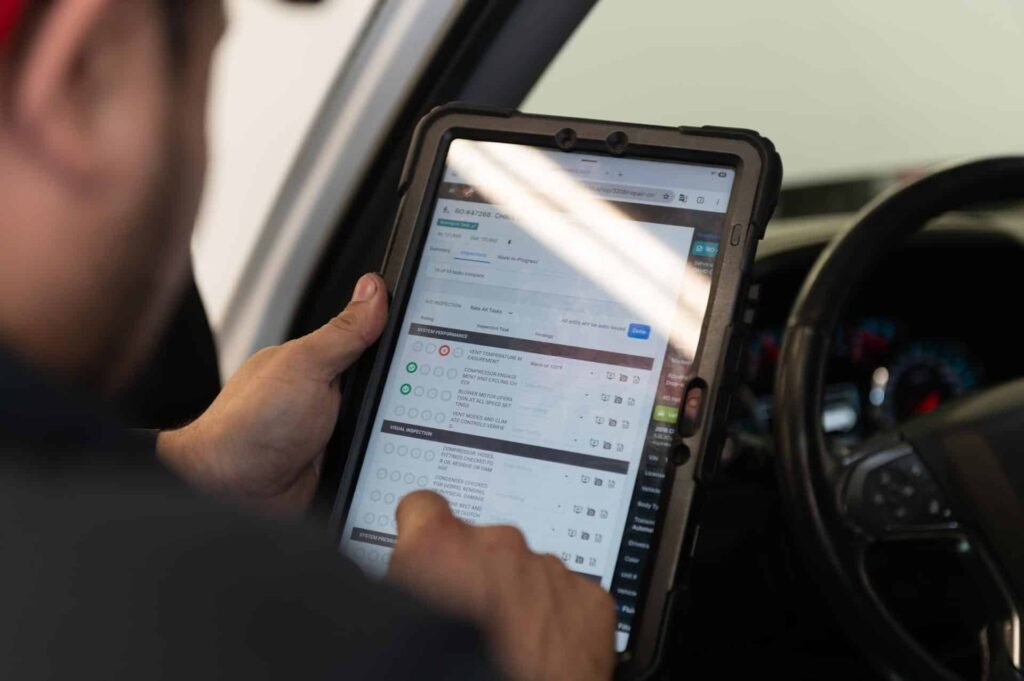
Before a long drive, vacation, college trip, family visit, or cross-country journey, a professional vehicle inspection can help identify visible wear, maintenance needs, fluid leaks, tire concerns, and developing problems before you leave Seattle.
At Chuck’s Auto Repair – North Seattle, we provide professional road trip inspections for drivers throughout North Seattle. Our ASE-certified technicians evaluate important vehicle systems, explain what they find, and help you prioritize repairs or maintenance before departure.
A road trip inspection cannot guarantee that a vehicle will never experience a breakdown. Some failures occur without warning, and internal components may fail even when they appear to be operating normally. However, inspecting the vehicle before a long trip can help identify many visible, measurable, and testable concerns that could affect safety or reliability.
📞 Call (206) 526-1069 or Schedule a Road Trip Inspection Online.
What Is a Road Trip Inspection?
A road trip inspection is a preventive evaluation performed before extended driving.
Depending on the vehicle, mileage, destination, and customer concerns, the inspection may include:
- Engine-oil level and condition
- Coolant level and visible cooling-system condition
- Brake condition
- Tire pressure and tread
- Battery condition
- Charging-system performance
- Belts and hoses
- Fluid levels
- Visible leaks
- Steering and suspension
- Windshield wipers
- Exterior lighting
- Dashboard warning lights
- Air-conditioning operation
- Heater and defroster operation
- Manufacturer-scheduled maintenance
- Spare tire or tire-inflation equipment when accessible
- Road test when appropriate
The purpose is to identify concerns that should be repaired, serviced, or monitored before extended travel.
Why Get a Vehicle Inspection Before a Road Trip?
Long-distance travel may place different demands on a vehicle than short local trips.
A road trip may involve:
- Extended highway speeds
- Heavy traffic
- Mountain passes
- High temperatures
- Cold-weather driving
- Long uphill grades
- Remote roads
- Additional passengers
- Loaded cargo areas
- Continuous air-conditioning use
- Limited access to repair facilities
- Towing or roof-mounted equipment
A vehicle that performs normally during short neighborhood drives may reveal problems during several hours of continuous operation.
A pre-trip inspection may help identify:
- Tires near the end of their service life
- Weak battery
- Low fluid levels
- Coolant leaks
- Worn belts or hoses
- Brake wear
- Suspension problems
- Overdue maintenance
- Exterior lighting concerns
- Wiper or visibility problems
- Active warning lights
- Developing oil or coolant leaks
Finding these concerns before departure may provide more time to make an informed repair decision.
When Should I Schedule a Road Trip Inspection?
Ideally, schedule the inspection several days before departure rather than the morning you plan to leave.
Scheduling early provides time for:
- Diagnostic testing
- Parts ordering
- Approved repairs
- Maintenance services
- Follow-up inspection
- Road testing
- Tire replacement if needed
- Battery replacement
- Cooling-system repairs
- Addressing unexpected findings
A road trip inspection may be especially helpful when:
- The vehicle has high mileage
- Service history is unknown
- The vehicle recently developed a noise or vibration
- A warning light is on
- The vehicle has been sitting
- You recently purchased the vehicle
- The vehicle is due for maintenance
- You are traveling through remote areas
- You are driving through mountain passes
- You are traveling during very hot or cold weather
- You plan to carry heavy cargo
- The vehicle will be driven much farther than usual
Common Concerns Found During Pre-Trip Inspections
A road trip inspection may identify concerns such as:
- Low engine oil
- Oil leakage
- Low coolant
- Coolant leakage
- Worn brake pads
- Damaged brake rotors
- Low tire pressure
- Uneven tire wear
- Tires near minimum tread depth
- Tire sidewall damage
- Weak battery
- Charging-system concerns
- Cracked belts
- Deteriorated hoses
- Worn windshield wipers
- Exterior lights not operating
- Suspension wear
- Steering looseness
- Fluid contamination
- Overdue scheduled maintenance
- Active warning lights
- Air-conditioning concerns
- Damaged spare tire or missing inflation equipment
Not every finding requires immediate repair.
We help separate:
- Safety concerns
- Reliability concerns
- Maintenance that is currently due
- Items that may be monitored
- Repairs that may be planned for later
Our Road Trip Inspection Process
At Chuck’s Auto Repair – North Seattle, the inspection begins with your vehicle, destination, and travel plans.
1. Discuss the Upcoming Trip
Helpful information may include:
- Approximate distance
- Travel dates
- Destination
- Highway or mountain driving
- Weather conditions
- Number of passengers
- Cargo load
- Towing plans
- Known vehicle concerns
- Recent repairs
- Maintenance history
This helps us understand how the vehicle will be used.
2. Review Dashboard Warning Lights
We note any active warning lights or maintenance reminders, including:
- Check engine light
- ABS warning light
- Brake warning light
- Battery warning light
- Oil-pressure warning
- Tire-pressure warning
- Coolant-temperature warning
- Maintenance reminder
- AWD or drivetrain warning
A warning light may require diagnosis before the vehicle is considered ready for extended travel.
3. Inspect Fluid Levels and Visible Condition
Depending on the vehicle, we may inspect:
- Engine oil
- Engine coolant
- Brake fluid
- Power-steering fluid on applicable vehicles
- Transmission fluid when serviceable and appropriate
- Windshield-washer fluid
- Differential or transfer-case fluid when inspection is applicable
- Visible fluid leaks
Fluid level and appearance may reveal a maintenance need or possible leak.
4. Inspect Tires
We may evaluate:
- Tire pressure
- Tread depth
- Uneven wear
- Cracking
- Sidewall damage
- Punctures
- Bulges
- Compatibility
- Tire age markings when relevant
- Spare tire condition when accessible
5. Inspect the Braking System
Inspection may include:
- Brake-pad condition
- Brake-rotor condition
- Brake-fluid level
- Visible brake hoses and lines
- Parking-brake operation
- Warning lights
- Evidence of leaks
- Brake noises or vibration reported by the driver
6. Inspect Belts and Hoses
We look for:
- Cracking
- Fraying
- Glazing
- Swelling
- Soft spots
- Brittleness
- Coolant seepage
- Loose clamps
- Belt-tracking concerns
- Visible tensioner or pulley concerns
7. Check Battery and Charging-System Condition
When appropriate, we may evaluate:
- Battery condition
- Battery state of charge
- Terminal corrosion
- Cable condition
- Charging-system voltage
- Starting performance
8. Inspect Steering and Suspension
Accessible components may be checked for:
- Excessive movement
- Worn joints
- Damaged bushings
- Fluid leakage
- Broken or damaged components
- Uneven tire wear
- Steering looseness
- Suspension noise
9. Check Exterior Lights and Visibility Items
We may inspect:
- Headlights
- Brake lights
- Turn signals
- Tail lights
- License-plate lights
- Windshield wipers
- Washer operation
- Windshield condition
- Mirrors
- Horn operation when applicable
10. Evaluate Heating, Cooling, and Defrosting
Depending on the season and destination, we may check:
- Air-conditioning operation
- Heater output
- Defroster operation
- Blower operation
- Vent airflow
- Unusual HVAC noise
11. Road Test When Appropriate
A road test may help identify:
- Brake vibration
- Steering pull
- Suspension noise
- Wheel-bearing noise
- Tire vibration
- Engine hesitation
- Transmission concerns
- Drivetrain noise
- Temperature-related concerns
12. Explain and Prioritize the Findings
We explain what was found and organize recommendations by importance.
This may include:
- Repair before the trip
- Service before the trip
- Monitor during travel
- Plan for future maintenance
- Further diagnosis required
What a Road Trip Inspection May Include
Depending on the vehicle and approved inspection, service may include:
- Vehicle-history review
- Dashboard warning-light check
- Engine-oil level inspection
- Coolant-level inspection
- Brake-fluid inspection
- Windshield-washer-fluid inspection
- Visible fluid-leak inspection
- Tire-pressure check
- Tire tread measurement
- Tire-condition inspection
- Spare-tire inspection when accessible
- Brake inspection
- Battery-condition test
- Charging-system test
- Belt inspection
- Hose inspection
- Steering inspection
- Suspension inspection
- Exterior-light check
- Windshield-wiper inspection
- Heating and air-conditioning check
- Maintenance-schedule review
- Road test when appropriate
- Repair and maintenance recommendations
The inspection scope may vary depending on vehicle design, accessibility, symptoms, and travel conditions.
Tire Inspection Before a Road Trip
Tires are especially important during extended highway driving.
We may inspect for:
- Correct pressure
- Adequate tread depth
- Uneven tread wear
- Sidewall cracks
- Cuts
- Bulges
- Punctures
- Exposed cords
- Impact damage
- Improper tire size
- Significant tread differences on AWD vehicles
Low tire pressure can contribute to:
- Increased heat
- Reduced fuel economy
- Poor handling
- Accelerated wear
- Greater risk of tire damage
Tire pressure should be checked when the tires are cold and adjusted according to the vehicle manufacturer’s specification.
The maximum pressure printed on the tire sidewall is not normally the recommended operating pressure for the vehicle.
Spare Tire and Tire-Inflation Equipment
Not every modern vehicle includes a traditional spare tire.
The vehicle may be equipped with:
- Full-size spare
- Compact temporary spare
- Tire-inflation kit
- Air compressor
- Tire sealant
- Run-flat tires
- No factory spare equipment
When accessible, pre-trip checks may include:
- Spare-tire pressure
- Spare-tire condition
- Jack
- Lug-wrench tools
- Wheel-lock key
- Inflation-kit condition
- Sealant expiration date
- Compressor operation
Drivers should know what tire-emergency equipment is included before leaving on a long trip.
Brake Inspection Before a Road Trip
Brake condition is important when traveling through:
- Mountain passes
- Heavy traffic
- Long downhill grades
- Wet weather
- Loaded vehicles
- Stop-and-go conditions
Possible brake concerns include:
- Worn pads
- Grinding
- Squeaking
- Vibration
- Pulling
- Soft pedal
- Fluid leakage
- Brake warning light
- ABS warning light
At Chuck’s Auto Repair – North Seattle, when brake rotors need replacement, we install brand-new brake rotors as part of the approved brake repair.
Brake recommendations are based on inspection findings rather than mileage alone.
Battery Inspection Before a Road Trip
A weak battery may start the vehicle today but fail after:
- A cold overnight stop
- Extended accessory use
- Several short stops
- High heat
- Long periods of parking
- Repeated engine starts
Battery concerns may include:
- Low reserve capacity
- Corroded terminals
- Loose connections
- Slow cranking
- Low charging voltage
- Repeated jump-starts
- Battery warning light
Battery and charging-system testing may help identify reduced battery performance before departure.
Cooling-System Inspection Before a Road Trip
The cooling system becomes especially important during long highway drives, mountain travel, and hot weather.
Inspection may include:
- Coolant level
- Visible coolant leaks
- Radiator condition
- Hose condition
- Reservoir condition
- Water-pump leakage
- Belt condition
- Cooling-fan operation
- Temperature warnings
- Maintenance history
Cooling-system concerns may cause:
- Overheating
- Coolant loss
- Poor heater operation
- Engine damage
- Breakdown
Repeatedly adding coolant without locating the leak is not a substitute for repair.
Engine Oil Before a Long Drive
Engine oil should be at the correct level before extended travel.
Low oil may be caused by:
- External leak
- Internal oil consumption
- Extended oil-change interval
- Incorrect previous fill
- Engine wear
- Turbocharger concern
- PCV-system problem
An oil change may be recommended when it is due by time, mileage, oil-life monitor, or manufacturer schedule.
A long trip does not automatically require an early oil change if the existing oil remains within the correct service interval. However, completing an upcoming service before departure may be more convenient than handling it during the trip.
Belts and Hoses Before Extended Travel
Belts and hoses may be affected by:
- Age
- Heat
- Mileage
- Fluid exposure
- Repeated temperature changes
- Normal rubber deterioration
Possible concerns include:
- Cracks
- Fraying
- Glazing
- Loose belt material
- Hose swelling
- Coolant leakage
- Soft spots
- Brittleness
- Loose clamps
A failed belt or cooling-system hose may lead to:
- Overheating
- Charging-system failure
- Loss of accessory operation
- Coolant loss
- Breakdown
Visible belt and hose concerns should be addressed before extended travel when appropriate.
Fluid Checks Before a Road Trip
Depending on the vehicle, important fluids may include:
- Engine oil
- Engine coolant
- Brake fluid
- Transmission fluid
- Differential fluid
- Transfer-case fluid
- Power-steering fluid
- Windshield-washer fluid
Fluid recommendations should consider:
- Level
- Condition
- Manufacturer service schedule
- Vehicle symptoms
- Evidence of leakage
- Prior maintenance history
Not every fluid should automatically be changed before a trip.
Routine fluid service should be based on the vehicle’s actual requirements.
Steering and Suspension Before a Road Trip
Steering and suspension components affect:
- Vehicle control
- Tire contact
- Ride stability
- Alignment
- Braking behavior
- Highway handling
Possible warning signs include:
- Vehicle pulling
- Loose steering
- Clunking
- Excessive bouncing
- Uneven tire wear
- Steering-wheel vibration
- Fluid leakage
- Vehicle sitting unevenly
Extended highway driving may make existing vibration or instability more noticeable.
These concerns should be inspected before departure.
Wheel Bearings and Road-Trip Readiness
A worn wheel bearing may cause:
- Humming
- Growling
- Grinding
- Vibration
- Noise that changes while turning
- Wheel looseness
- ABS concerns on some vehicles
Wheel-bearing noise can be confused with tire or differential noise.
A road test and physical inspection may be needed to determine the source.
Air Conditioning Before Summer Travel
Air-conditioning problems may become more significant during long summer drives.
Possible concerns include:
- Warm air
- Weak airflow
- Intermittent cooling
- Unusual compressor noise
- Blower not operating
- Refrigerant leak
- Cooling fans not working
- Musty odor
Air-conditioning performance should be evaluated before travel through hot climates, especially when carrying children, older passengers, pets, or temperature-sensitive cargo.
Heating and Defrosting Before Cold-Weather Travel
For fall or winter travel, the vehicle should have dependable:
- Heater operation
- Windshield defrosting
- Rear-window defogging
- Blower operation
- Wiper operation
- Washer-fluid protection
- Exterior lighting
Poor heater output may involve:
- Low coolant
- Thermostat problem
- Heater-core restriction
- Climate-control concern
- Air trapped in the cooling system
Defrosting problems can significantly affect visibility.
Windshield Wipers and Visibility
Seattle drivers regularly encounter rain, road spray, darkness, and changing visibility.
Wiper blades may need replacement when they:
- Streak
- Skip
- Chatter
- Leave unwiped areas
- Have torn rubber
- Do not contact the windshield evenly
Washer fluid, spray nozzles, headlights, brake lights, and turn signals should also operate correctly.
Visibility concerns that seem minor locally may become more difficult during several hours of highway driving.
Dashboard Warning Lights Before a Road Trip
Warning lights should be understood before extended travel.
Check Engine Light
A steady check engine light means the vehicle has stored a fault that should be diagnosed.
A flashing light may indicate a severe misfire that could damage the catalytic converter.
Battery Warning Light
This may indicate a charging-system problem.
Oil-Pressure Warning Light
This may indicate inadequate engine-oil pressure and requires immediate attention.
Temperature Warning Light
This may indicate engine overheating.
Brake Warning Light
This may involve low fluid, parking-brake operation, hydraulic concerns, or another brake-system fault.
ABS Warning Light
The anti-lock braking system may be limited or disabled.
Tire-Pressure Warning
One or more tires may be underinflated, overinflated, damaged, or affected by a sensor concern.
A warning light should not simply be cleared before a trip without identifying why it appeared.
Maintenance Due Before a Road Trip
Possible maintenance items may include:
- Oil and filter service
- Air-filter replacement
- Cabin-filter replacement
- Spark-plug replacement
- Coolant service
- Brake-fluid service
- Transmission-fluid service
- Differential-fluid service
- Transfer-case-fluid service
- Belt replacement
- Scheduled timing-belt service
- Tire rotation
- Battery replacement
- Manufacturer-scheduled maintenance
The trip itself does not automatically make every service necessary.
We review:
- Manufacturer schedule
- Mileage
- Time
- Vehicle condition
- Service history
- Destination
- Upcoming interval
Services may be completed before departure when they are due or likely to become due during the trip.
Road Trip Inspection for High-Mileage Vehicles
A high-mileage vehicle can still be suitable for long travel when it is maintained and in good condition.
Important considerations may include:
- Oil consumption
- Coolant loss
- Fluid leaks
- Battery age
- Belt and hose condition
- Tire condition
- Brake wear
- Suspension wear
- Warning lights
- Previous overheating
- Timing-belt history
- Transmission operation
- Existing engine noise
A high odometer reading alone does not determine whether a vehicle is ready for a road trip.
Current condition and maintenance history matter more.
Road Trip Inspection for a Newly Purchased Used Vehicle
A used vehicle with limited service records may benefit from a baseline inspection before extended travel.
Areas of concern may include:
- Unknown oil-change history
- Unknown timing-belt history
- Worn tires
- Low fluid levels
- Undocumented warning lights
- Brake wear
- Battery condition
- Cooling-system leaks
- Suspension wear
- Missing emergency equipment
- Previous repair work
An inspection can help establish current condition, but it cannot verify every service that may or may not have been performed previously.
Road Trip Inspection After the Vehicle Has Been Sitting
Vehicles that have been parked for an extended period may develop concerns involving:
- Low battery charge
- Tire-pressure loss
- Tire flat spots
- Fluid leaks
- Brake-surface corrosion
- Rodent damage
- Deteriorated fuel
- Sticking brake components
- Rubber-component aging
- Moisture accumulation
A vehicle that starts after sitting is not automatically ready for a long trip.
Inspection and local driving may be appropriate before extended travel.
Preparing for Mountain Driving
Mountain travel may place additional demand on:
- Cooling system
- Brakes
- Transmission
- Engine
- Tires
- Steering
- Suspension
Long uphill grades may increase engine and transmission temperature.
Long downhill grades may increase brake temperature.
Helpful driving practices may include:
- Using an appropriate lower gear when descending
- Avoiding continuous heavy brake application
- Watching temperature gauges
- Maintaining safe following distance
- Reducing vehicle load when possible
The vehicle’s condition and manufacturer recommendations should be considered before towing or heavily loading the vehicle.
Preparing for Hot-Weather Travel
Hot weather can affect:
- Battery performance
- Cooling system
- Tire pressure
- Air conditioning
- Engine oil
- Transmission temperature
- Belts and hoses
Before hot-weather travel, useful checks may include:
- Coolant level
- Cooling-fan operation
- Radiator and hose condition
- Battery condition
- Tire pressure
- Air-conditioning operation
- Fluid leaks
- Engine-oil level
Temperature-related concerns should be corrected before travel through remote or desert areas.
Preparing for Cold-Weather Travel
Cold temperatures may affect:
- Battery capacity
- Tire pressure
- Engine starting
- Washer fluid
- Wiper operation
- Heater and defroster performance
- Coolant freeze protection
- Tire traction
Pre-trip considerations may include:
- Battery testing
- Correct coolant protection
- Winter-compatible washer fluid
- Tire condition
- Wiper blades
- Exterior lighting
- Heater and defroster operation
- Emergency supplies
Travel through snow or mountain passes may also require traction devices depending on local rules and conditions.
What to Carry on a Long Road Trip
Useful items may include:
- Driver’s license
- Registration
- Insurance information
- Vehicle owner’s manual
- Roadside-assistance information
- Warranty keytag
- Phone charger
- Flashlight
- Basic first-aid supplies
- Water
- Warm clothing or blanket
- Tire-inflation equipment
- Wheel-lock key
- Emergency warning devices
- Necessary medications
- Destination and alternate route information
Customers receiving qualifying repairs from Chuck’s Auto Repair – North Seattle receive a warranty keytag containing nationwide assistance information.
The nationwide 1-800 assistance number is also printed on the repair invoice.
What a Road Trip Inspection Cannot Guarantee
A professional inspection can identify many concerns, but it cannot guarantee that no component will fail during the trip.
Some failures:
- Develop suddenly
- Occur intermittently
- Are hidden inside sealed components
- Do not create visible wear
- Only appear under specific conditions
- Cannot be predicted through routine inspection
- Result from road hazards or impact
A road trip inspection is designed to reduce avoidable risk by identifying visible, measurable, and testable concerns before departure.
It is not a warranty against every possible breakdown.
Why Proper Pre-Trip Inspection Matters
A checklist alone is not always enough.
For example:
- A tire may have adequate pressure but severe sidewall damage.
- A battery may start the vehicle but have very little reserve capacity.
- Coolant may be full because someone recently topped off an active leak.
- The brakes may stop the vehicle but be near the end of their service life.
- An oil-change reminder may be off even though the service history is unknown.
- A warning light may have been recently cleared without repairing the fault.
Our approach is to inspect the vehicle, evaluate its actual condition, review upcoming maintenance, explain the findings, and help prioritize the next steps.
Why Choose Chuck’s Auto Repair – North Seattle?
- AAA-approved auto repair facility
- ASE-certified technicians
- Trusted by Seattle-area drivers for more than 30 years
- Vehicle-specific road trip inspections
- Tire, brake, battery, fluid, belt, and hose checks
- Cooling-system and warning-light evaluation
- Maintenance-schedule review
- Clear separation between urgent repairs and future maintenance
- Straightforward explanations before repairs are performed
- 24-month / 24,000-mile parts and labor warranty on qualifying repairs
- 12-month / 12,000-mile nationwide warranty coverage on qualifying repairs
- Convenient North Seattle location
We help identify what should be addressed before departure, what may be monitored, and what can reasonably be planned for later.
Warranty Protection for Qualifying Repairs
Qualifying repairs completed before your trip are backed by our 24-month / 24,000-mile parts and labor warranty.
The warranty also includes 12-month / 12,000-mile nationwide coverage, providing additional protection if you need warranty assistance while traveling away from Seattle.
The nationwide 1-800 assistance information is printed on every repair invoice. Customers also receive a warranty keytag for convenient access while on the road.
Warranty coverage depends on the service or repair performed, parts used, and applicable terms.
Convenient Road Trip Inspections in North Seattle
Chuck’s Auto Repair – North Seattle
9115 Roosevelt Way NE
Seattle, WA 98115
We provide pre-trip vehicle inspections and qualifying repairs for drivers throughout:
Maple Leaf • Roosevelt • Northgate • Green Lake • Wedgwood • University District • Ravenna • Lake City • Wallingford • Greenwood
📞 Call (206) 526-1069 to schedule your road trip inspection.
Road Trip Inspection FAQs
How soon before my trip should I schedule an inspection?
Scheduling several days before departure is best. This allows time for diagnosis, parts ordering, approved repairs, and post-repair verification.
Does a road trip inspection guarantee that my car will not break down?
No. Some failures occur without warning and cannot be predicted through routine inspection. The inspection helps identify visible, measurable, and testable concerns before departure.
What is checked during a road trip inspection?
The inspection may include tires, brakes, battery, fluid levels, belts, hoses, lights, wipers, steering, suspension, cooling-system condition, warning lights, and upcoming maintenance.
Do I need an oil change before every road trip?
No. An oil change should be based on the manufacturer’s schedule, time, mileage, oil-life monitor, and current service history.
Should I replace my battery before a long trip?
Only when testing, age, condition, or symptoms indicate that replacement is appropriate. A battery should not be replaced solely because a trip is planned.
Can you check my tires before I leave?
Yes. Tire checks may include pressure, tread depth, uneven wear, sidewall condition, visible damage, and compatibility.
Will you check my spare tire?
We can inspect the spare and related equipment when they are present and accessible. Some vehicles have inflation kits or run-flat tires instead of a spare.
Should I replace my brakes before mountain driving?
Brake repairs should be based on inspection findings. Pads, rotors, fluid, calipers, hoses, and warning lights may need evaluation before mountain travel.
What should I do if my check engine light is on before a trip?
Have the vehicle diagnosed before extended travel. A steady light may indicate a range of faults, while a flashing light may indicate a severe misfire.
Is my high-mileage vehicle safe for a long trip?
Mileage alone does not determine readiness. Current condition, maintenance history, warning lights, fluid loss, tires, brakes, battery, cooling system, and drivetrain condition all matter.
Can you inspect a vehicle I recently purchased?
Yes. A baseline inspection can help identify current maintenance needs, visible wear, leaks, tire concerns, brake condition, and warning lights.
Should I change every fluid before a road trip?
No. Each fluid has a vehicle-specific service requirement. Service should be based on the manufacturer schedule, fluid condition, vehicle use, and history.
What if you find several problems?
We explain and prioritize the findings so you understand what should be addressed before the trip, what may be monitored, and what may be scheduled later.
How long does a road trip inspection take?
Timing depends on the vehicle, inspection scope, warning lights, and whether diagnostic testing is required. The shop can provide a more specific estimate when the appointment is scheduled.
Should I bring anything to the appointment?
Bring available maintenance records, information about the route, and details about any noises, warning lights, leaks, or recent vehicle changes.
Do repairs completed before the trip include a warranty?
Qualifying repairs are backed by our 24-month / 24,000-mile parts and labor warranty, including 12-month / 12,000-mile nationwide warranty coverage.
Schedule a Road Trip Inspection in North Seattle
Whether you are driving across Washington, traveling through mountain passes, visiting family out of state, or preparing for a cross-country trip, schedule a road trip inspection with Chuck’s Auto Repair – North Seattle.
Our ASE-certified technicians will inspect important vehicle systems, review upcoming maintenance, explain what they find, and help you prioritize service before departure.
Schedule early enough to allow time for any approved repairs before your travel date.
📞 Call (206) 526-1069 or Book a Road Trip Inspection Online.