
Shock & Struts service in north seattle
AAA-approved auto repair • ASE-certified technicians • Trusted by Seattle-area drivers for more than 30 years
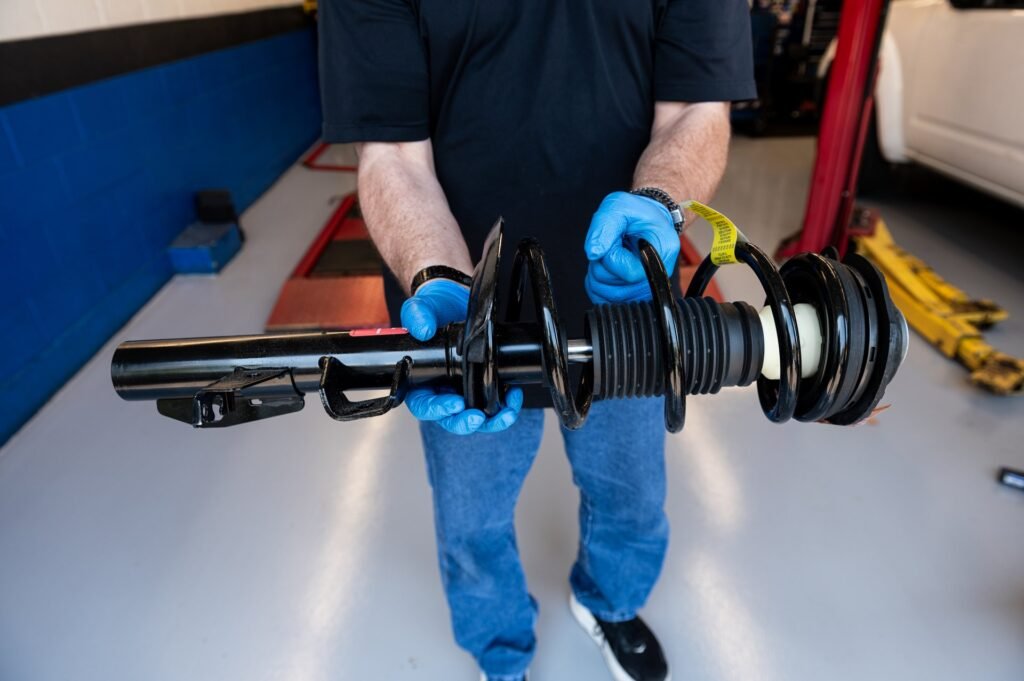
Your vehicle’s shocks and struts help control suspension movement, maintain tire contact with the road, support predictable steering and braking, and keep the vehicle stable over bumps, turns, and uneven pavement.
At Chuck’s Auto Repair – North Seattle, we provide professional shock and strut inspections, diagnosis, and replacement for drivers throughout North Seattle. If your vehicle bounces excessively, feels unstable, makes clunking noises, leans during turns, or shows uneven tire wear, our ASE-certified technicians can inspect the suspension and determine the cause.
A rough or unstable ride does not automatically mean the shocks or struts have failed. Similar symptoms may be caused by worn tires, incorrect tire pressure, damaged springs, control-arm bushings, ball joints, sway-bar links, wheel bearings, steering components, or alignment concerns.
We inspect the complete steering and suspension system before recommending repairs.
📞 Call (206) 526-1069 or Schedule Shocks & Struts Service Online.
What Do Shocks and Struts Do?
Shocks and struts help control the movement created by the vehicle’s springs.
Without effective damping, the springs would continue bouncing after the vehicle travels over a bump, dip, pothole, or uneven road surface.
Shocks and struts help:
- Control suspension movement
- Reduce excessive bouncing
- Maintain tire contact with the road
- Support predictable steering
- Reduce body roll during turns
- Control nose-diving during braking
- Reduce rear-end squat during acceleration
- Improve stability over uneven pavement
- Support consistent tire wear
- Contribute to ride comfort
They do not carry out every suspension function by themselves. They work with springs, control arms, bushings, ball joints, sway bars, steering components, tires, and wheel-alignment settings.
What Is the Difference Between Shocks and Struts?
Shocks and struts perform a similar damping function, but they are not the same type of component.
Shock Absorbers
A shock absorber is generally a separate suspension component used to control spring movement.
The vehicle’s spring and shock may be installed separately.
Struts
A strut is a structural part of the suspension assembly.
Depending on the design, a strut may help support:
- Vehicle weight
- Wheel position
- Steering geometry
- Spring mounting
- Suspension movement
A strut assembly may include:
- Strut
- Coil spring
- Upper mount
- Bearing
- Bump stop
- Dust boot
- Spring seats
- Related hardware
Not every vehicle has both shocks and struts. Some use struts in the front and shocks in the rear, while others use shocks or struts at all four corners.
The correct repair depends on the vehicle’s suspension design.
Common Signs You May Need Shocks or Struts
Your vehicle may need suspension inspection if you notice:
- Excessive bouncing after bumps
- Vehicle continues moving up and down after a dip
- Nose-diving during braking
- Rear of vehicle squatting during acceleration
- Excessive body roll during turns
- Vehicle feels unstable at highway speed
- Clunking or knocking over bumps
- Rough or harsh ride
- Fluid leaking from a shock or strut
- Uneven or cupped tire wear
- Vehicle pulling or drifting
- Steering feels loose or inconsistent
- Vehicle sits lower on one corner
- Increased sensitivity to crosswinds
- Tires losing contact with rough pavement
- Longer or less predictable stopping behavior
- Suspension bottoming out
- Visible damage to a shock, strut, spring, or mount
These symptoms may involve the shocks or struts, but they can also come from other suspension, steering, tire, or alignment concerns.
A professional inspection is needed to identify the actual cause.
Why Does My Vehicle Bounce After Going Over a Bump?
A vehicle that continues bouncing after a bump may have reduced suspension damping.
Possible causes include:
- Worn shock absorber
- Worn strut
- Internal shock or strut failure
- Damaged spring
- Broken mount
- Loose suspension component
- Incorrect replacement component
- Tire problem
- Suspension damage
A small amount of suspension movement is normal. Excessive or repeated bouncing may indicate that the suspension is no longer controlling the spring movement properly.
The vehicle should be inspected before the condition becomes more severe.
Why Does My Vehicle Nose-Dive When Braking?
Some forward weight transfer during braking is normal.
Excessive nose-diving may involve:
- Worn front shocks or struts
- Weak or damaged springs
- Suspension geometry concerns
- Worn control-arm bushings
- Uneven brake operation
- Tire concerns
- Excessive vehicle loading
Worn shocks or struts may allow more suspension movement during braking, which can make the vehicle feel less stable.
Because braking and suspension symptoms may overlap, both systems may need inspection.
Why Does My Vehicle Lean During Turns?
Some body movement during turns is normal.
Excessive leaning or instability may involve:
- Worn shocks or struts
- Weak or broken springs
- Worn sway-bar links
- Damaged sway-bar bushings
- Control-arm bushing wear
- Incorrect tire pressure
- Tire-condition concerns
- Suspension damage
- Vehicle overloading
A vehicle that feels unstable during turns should be inspected, especially if the condition is new or getting worse.
Why Does My Suspension Clunk Over Bumps?
Clunking or knocking over bumps can come from several components.
Possible causes include:
- Worn strut mount
- Loose shock or strut hardware
- Worn sway-bar link
- Worn sway-bar bushing
- Ball-joint wear
- Control-arm bushing wear
- Broken spring
- Loose suspension component
- Damaged bump stop
- Steering-component wear
- Subframe or mounting concern
A leaking or worn strut may be present, but noise alone does not prove the strut is the cause.
Inspection helps determine which component is moving or contacting another part.
Why Is Fluid Leaking from My Shock or Strut?
Shocks and struts contain hydraulic fluid that helps control suspension movement.
Some light residue may not always indicate failure. An active leak, heavy wetness, or fluid running down the body of the component is more concerning.
A leaking shock or strut may lose damping ability and contribute to:
- Excessive bouncing
- Reduced stability
- Uneven tire wear
- Poor control over rough roads
- Increased body movement
- Noise
- Reduced ride quality
The amount of leakage, component performance, mileage, and condition of the surrounding suspension should all be considered.
Why Are My Tires Wearing Unevenly?
Uneven tire wear may involve the suspension, steering, alignment, inflation, or tire condition.
Possible causes include:
- Worn shocks or struts
- Incorrect tire pressure
- Wheel-alignment concerns
- Worn control-arm bushings
- Ball-joint wear
- Tie-rod wear
- Wheel-bearing concerns
- Lack of tire rotation
- Bent suspension components
- Tire imbalance
- Damaged springs
Worn shocks or struts may allow the tire to bounce or move excessively, sometimes contributing to cupping or irregular wear.
Replacing shocks or struts will not restore tread that has already worn unevenly. Tire condition and alignment may also need attention.
Our Shocks and Struts Inspection Process
At Chuck’s Auto Repair – North Seattle, suspension concerns begin with a professional inspection.
1. Discuss the Customer’s Concern
We ask about:
- Bouncing
- Noise
- Uneven tire wear
- Vehicle pulling
- Steering changes
- Ride quality
- Recent impact or pothole damage
- When the symptoms occur
- Whether the vehicle carries heavy loads
- Whether suspension repairs were recently performed
2. Road Test When Appropriate
A road test may help confirm:
- Excessive bouncing
- Steering instability
- Body roll
- Nose-diving
- Clunking
- Vibration
- Vehicle pull
- Harsh ride
- Speed-related concerns
3. Inspect the Shocks and Struts
We inspect accessible components for:
- Fluid leakage
- Physical damage
- Bent components
- Corrosion
- Loose mounting hardware
- Damaged dust boots
- Worn bump stops
- Excessive movement
- Broken or damaged mounts
4. Inspect Springs and Mounting Components
We may inspect:
- Coil springs
- Leaf springs on applicable vehicles
- Upper strut mounts
- Strut bearings
- Spring seats
- Isolators
- Mounting bushings
- Related hardware
5. Inspect Related Steering and Suspension Components
Because symptoms can overlap, we may also inspect:
- Control arms
- Control-arm bushings
- Ball joints
- Tie rods
- Sway-bar links
- Sway-bar bushings
- Wheel bearings
- Steering components
- Subframe mounting points
6. Inspect Tires
We evaluate:
- Tread wear
- Cupping
- Tire pressure
- Sidewall damage
- Tire compatibility
- Signs of alignment concerns
7. Explain the Findings
We explain:
- Which components are worn or damaged
- What is causing the symptom
- Whether replacement is recommended
- Whether related repairs should be considered
- Whether an alignment check may be appropriate
- What may be monitored
8. Verify the Repair
After approved repairs are completed, we check the installation, road-test the vehicle when appropriate, and verify that the suspension operates correctly.
What Shocks and Struts Service May Include
Depending on the vehicle and inspection findings, service may include:
- Shock inspection
- Strut inspection
- Shock absorber replacement
- Strut replacement
- Complete strut assembly replacement
- Strut-mount replacement
- Strut-bearing replacement
- Spring inspection
- Spring replacement
- Dust-boot replacement
- Bump-stop replacement
- Mounting-hardware replacement
- Steering and suspension inspection
- Sway-bar link inspection
- Control-arm and bushing inspection
- Ball-joint inspection
- Tire-condition inspection
- Wheel-alignment evaluation
- Road testing
- Post-repair verification
The exact repair depends on the vehicle’s design, component condition, symptoms, and manufacturer procedures.
Shock Absorber Replacement
Shock absorbers may require replacement when they are:
- Leaking heavily
- Physically damaged
- Bent
- No longer controlling suspension movement
- Causing excessive bouncing
- Creating instability
- Worn internally
- Damaged at a mounting point
During shock replacement, related components should be inspected, including:
- Bushings
- Mounts
- Springs
- Tires
- Suspension hardware
- Sway-bar components
- Nearby brake hoses or wiring
Replacement should be based on confirmed condition rather than mileage alone.
Strut Replacement
Struts are structural suspension components and may affect wheel position and alignment.
Strut replacement may be recommended when the strut has:
- Active fluid leakage
- Internal wear
- Physical damage
- Bent housing or shaft
- Reduced damping
- Damaged mounting points
- Excessive movement
- Noise confirmed to the strut assembly
The repair may also involve:
- Upper strut mount
- Strut bearing
- Coil spring
- Spring seats
- Bump stop
- Dust boot
- Related hardware
Because replacing a strut can affect suspension geometry, a wheel alignment or alignment check may be recommended after the repair, depending on the vehicle and work performed.
Complete Strut Assemblies
Some repairs use a complete strut assembly that may include:
- New strut
- Coil spring
- Upper mount
- Bearing
- Spring seats
- Dust boot
- Bump stop
A complete assembly may be appropriate when several related components are worn, damaged, corroded, or due for replacement.
However, complete assemblies are not automatically required for every strut repair.
The recommendation should be based on:
- Vehicle design
- Spring condition
- Mount condition
- Bearing condition
- Parts availability
- Labor requirements
- Repair value
- Manufacturer procedures
Strut Mount and Bearing Problems
The upper strut mount connects the strut assembly to the vehicle body.
On many front suspension systems, a bearing within the mount allows the strut to rotate as the vehicle is steered.
A worn mount or bearing may cause:
- Clunking
- Popping
- Binding during steering
- Rough steering feel
- Noise over bumps
- Uneven spring movement
- Visible mount deterioration
- Increased suspension movement
A strut may still have damping ability while the mount or bearing has failed.
The full assembly should be inspected before determining which components need replacement.
Coil Spring Inspection
Coil springs support vehicle weight and help maintain ride height.
A spring may become:
- Broken
- Cracked
- Corroded
- Weak
- Sagged
- Dislodged
- Damaged by impact
Possible symptoms include:
- Vehicle sitting lower on one corner
- Uneven ride height
- Clunking
- Tire contact with the body
- Harsh ride
- Abnormal suspension movement
- Visible broken spring section
A broken spring can damage:
- Tire
- Strut
- Brake hose
- Wheel-well components
- Other suspension parts
Spring condition should be checked during shock and strut service.
Bump Stops and Dust Boots
A bump stop helps limit suspension travel during severe compression.
A dust boot helps protect the shock or strut shaft from:
- Dirt
- Water
- Road debris
- Corrosion
- Physical damage
Damaged boots and bump stops may not always cause immediate symptoms, but they can reduce protection and contribute to component wear.
These parts should be inspected when shocks or struts are serviced.
Should Shocks or Struts Be Replaced in Pairs?
Shocks and struts are commonly replaced in axle pairs—both front or both rear—to help maintain balanced suspension performance.
Replacing only one side may create differences in:
- Damping
- Ride control
- Handling
- Braking movement
- Suspension response
However, the final recommendation depends on:
- Vehicle design
- Component condition
- Cause of failure
- Damage
- Parts availability
- Manufacturer procedures
- Whether one component was recently replaced
We inspect both sides and explain the appropriate repair.
Do New Shocks or Struts Require a Wheel Alignment?
A wheel alignment may be recommended after strut replacement because the repair can affect suspension geometry.
Alignment need depends on:
- Vehicle design
- Components removed
- Mounting locations
- Existing tire wear
- Steering-wheel position
- Prior alignment condition
- Whether adjustable points were disturbed
Replacing a separate rear shock may not affect alignment in the same way as replacing a front strut.
We explain whether an alignment check is appropriate for the repair performed.
Shocks, Struts, and Braking Performance
Shocks and struts do not create braking force, but they help control vehicle movement during braking.
Worn components may allow:
- Excessive nose-diving
- Increased body movement
- Reduced tire contact over uneven surfaces
- Less predictable vehicle response
- Additional weight transfer
Brake symptoms may also involve pads, rotors, calipers, tires, alignment, or suspension wear.
Both the brake and suspension systems may need inspection when the vehicle feels unstable while stopping.
Shocks, Struts, and Steering Control
Shocks and struts help keep the tires in contact with the road while the steering system directs the vehicle.
Worn suspension damping may contribute to:
- Wandering
- Excessive body movement
- Delayed response
- Reduced stability
- Sensitivity to crosswinds
- Poor control over rough pavement
Similar symptoms may also involve:
- Tire pressure
- Tire wear
- Wheel alignment
- Tie rods
- Ball joints
- Control-arm bushings
- Steering rack
- Wheel bearings
That is why steering instability should be diagnosed rather than attributed automatically to the shocks or struts.
Electronically Controlled Shocks and Struts
Some vehicles use electronically controlled suspension components.
These systems may adjust damping based on:
- Vehicle speed
- Steering input
- Braking
- Drive mode
- Road conditions
- Body movement
- Computer commands
The system may include:
- Electronic shocks or struts
- Wiring
- Sensors
- Control modules
- Solenoids
- Air-suspension components
- Warning messages
A suspension warning light may indicate an electrical, electronic, hydraulic, pneumatic, or mechanical concern.
Diagnostic scanning and circuit testing may be required before replacement is recommended.
Air Suspension and Ride-Control Systems
Some vehicles use air springs or electronically controlled ride-height systems instead of conventional coil springs.
Possible components include:
- Air springs
- Compressor
- Air lines
- Height sensors
- Valves
- Control modules
- Electronic shocks or struts
Possible symptoms include:
- Vehicle sitting low
- One corner lower than the others
- Compressor running frequently
- Suspension warning light
- Harsh ride
- Air leakage
- Vehicle failing to raise
Air-suspension problems require system-specific diagnosis.
A low vehicle does not automatically mean the shock or strut has failed.
How Long Do Shocks and Struts Last?
There is no single replacement mileage that applies to every vehicle.
Service life depends on:
- Vehicle design
- Road conditions
- Driving habits
- Vehicle weight
- Cargo and towing
- Pothole exposure
- Component quality
- Climate
- Corrosion
- Prior suspension damage
- Tire and alignment condition
Some components may continue operating for many miles without obvious leakage, while others may lose performance gradually.
Condition, symptoms, testing, and inspection findings matter more than a universal mileage number.
Seattle Driving and Suspension Wear
North Seattle driving may expose suspension components to:
- Potholes
- Uneven pavement
- Speed bumps
- Steep driveways
- Frequent braking
- Stop-and-go traffic
- Wet roads
- Road debris
- Construction zones
- Repeated curb and parking impacts
These conditions do not automatically mean shocks or struts require early replacement, but they may contribute to wear or damage over time.
A new noise, change in ride quality, or impact with a deep pothole should be inspected.
Why Proper Shocks and Struts Diagnosis Matters
Suspension symptoms often overlap.
Bouncing may involve:
- Shocks or struts
- Springs
- Tires
- Vehicle loading
Clunking may involve:
- Strut mount
- Sway-bar link
- Ball joint
- Control-arm bushing
- Loose hardware
Vehicle pulling may involve:
- Tire pressure
- Tire condition
- Alignment
- Brake drag
- Steering or suspension wear
Uneven tire wear may involve:
- Alignment
- Shocks or struts
- Worn joints or bushings
- Tire inflation
- Lack of rotation
Replacing shocks or struts without confirming the source may not correct the complaint.
Our approach is to inspect the full system, identify the cause, explain the findings, and then perform the appropriate repair.
Preventing Suspension Problems
Not every suspension failure can be prevented, but regular inspection may identify wear before it becomes more serious.
Helpful steps include:
- Inspect suspension components during routine maintenance
- Maintain correct tire pressure
- Rotate tires when appropriate
- Address uneven tire wear
- Have new clunking or bouncing inspected
- Avoid driving aggressively over potholes or speed bumps
- Inspect the vehicle after a severe impact
- Repair damaged springs or mounts promptly
- Maintain wheel alignment when needed
- Avoid exceeding vehicle load limits
- Address steering looseness or instability
- Have fluid leaks from shocks or struts evaluated
Early inspection may reduce tire damage and help prevent additional suspension wear.
Why Choose Chuck’s Auto Repair – North Seattle?
- AAA-approved auto repair facility
- ASE-certified technicians
- Trusted by Seattle-area drivers for more than 30 years
- Professional shock, strut, steering, and suspension inspection
- Diagnosis of bouncing, clunking, instability, and uneven tire wear
- Inspection of springs, mounts, bushings, joints, and related components
- Recommendations based on confirmed findings
- Clear explanations before repairs are performed
- 24-month / 24,000-mile parts and labor warranty
- 12-month / 12,000-mile nationwide warranty coverage
- Convenient North Seattle location
We do not assume every rough ride or clunking noise requires shocks or struts.
We inspect the complete steering and suspension system to determine which components are actually responsible.
Warranty Protection for Qualifying Shocks and Struts Repairs
Qualifying repairs are backed by our 24-month / 24,000-mile parts and labor warranty.
The warranty also includes 12-month / 12,000-mile nationwide coverage, providing additional protection if you need warranty assistance while traveling away from Seattle.
The nationwide 1-800 assistance information is printed on every repair invoice. Customers also receive a warranty keytag for convenient access while on the road.
Warranty coverage depends on the repair performed, parts installed, and applicable terms.
Convenient Shocks and Struts Service in North Seattle
Chuck’s Auto Repair – North Seattle
9115 Roosevelt Way NE
Seattle, WA 98115
We provide shock, strut, steering, and suspension inspections and repairs for drivers throughout:
Maple Leaf • Roosevelt • Northgate • Green Lake • Wedgwood • University District • Ravenna • Lake City • Wallingford • Greenwood
📞 Call (206) 526-1069 to schedule a suspension inspection.
Shocks and Struts FAQs
How do I know if my shocks or struts are bad?
Common signs include excessive bouncing, fluid leakage, nose-diving, body roll, clunking, instability, or uneven tire wear. Inspection is needed because other suspension and tire concerns can produce similar symptoms.
Are shocks and struts the same thing?
No. Both control suspension movement, but a strut is commonly a structural part of the suspension assembly. A shock absorber is usually a separate damping component.
Does every vehicle have shocks and struts?
No. Suspension designs vary. Some vehicles use front struts and rear shocks, while others use different arrangements.
Should shocks and struts be replaced in pairs?
They are commonly replaced in axle pairs to help maintain balanced damping and handling. The final recommendation depends on condition, damage, vehicle design, and repair history.
Can worn shocks or struts cause uneven tire wear?
Yes. Reduced damping may contribute to bouncing and irregular tire contact. Alignment, tire pressure, suspension wear, and tire rotation may also affect wear.
Can bad struts cause clunking?
Yes, but clunking may also come from the strut mount, sway-bar links, control-arm bushings, ball joints, springs, or loose hardware.
Why does my vehicle bounce after a bump?
Possible causes include worn shocks or struts, damaged springs, failed mounts, tire concerns, or loose suspension components.
Can worn shocks or struts affect braking?
They can affect how the vehicle controls body movement and maintains tire contact during braking. Brake and tire condition also play important roles.
Do I need an alignment after strut replacement?
An alignment or alignment check is often recommended after strut replacement, depending on the vehicle design and components disturbed during the repair.
Does replacing rear shocks require an alignment?
Not always. It depends on the suspension design and whether any alignment-related components were moved or replaced.
What causes a strut to leak?
Internal seal wear, age, heat, corrosion, road damage, or physical impact may allow hydraulic fluid to escape.
Can I drive with a leaking strut?
The vehicle may remain driveable, but damping and stability may decline as the leak worsens. The component should be inspected to determine its condition.
Can a broken spring damage a tire?
Yes. A broken spring may contact the tire or nearby components and can affect vehicle height, handling, and suspension operation.
What is a strut mount?
The strut mount connects the strut assembly to the vehicle body. On many front suspensions, it also contains a bearing that allows steering movement.
How long do shocks and struts last?
Service life varies widely based on vehicle design, roads, driving conditions, loads, corrosion, and component quality. Replacement should be based on condition and performance rather than a universal mileage.
How long does shock or strut replacement take?
Timing depends on the vehicle design, suspension type, corrosion, parts required, and whether mounts, springs, or other components also need replacement.
Do shocks and struts repairs include a warranty?
Qualifying repairs are backed by our 24-month / 24,000-mile parts and labor warranty, including 12-month / 12,000-mile nationwide warranty coverage.
Schedule Shocks and Struts Service in North Seattle
If your vehicle bounces excessively, feels unstable, clunks over bumps, leans during turns, or has uneven tire wear, schedule a suspension inspection with Chuck’s Auto Repair – North Seattle.
Our ASE-certified technicians will inspect the shocks, struts, springs, mounts, steering, tires, and related suspension components, explain what they find, and recommend repairs based on confirmed results.
📞 Call (206) 526-1069 or Book Shocks and Struts Service Online.