Brake Repair & Brake Service in North Seattle
AAA-approved auto repair • ASE-certified technicians • Trusted by Seattle-area drivers for more than 30 years
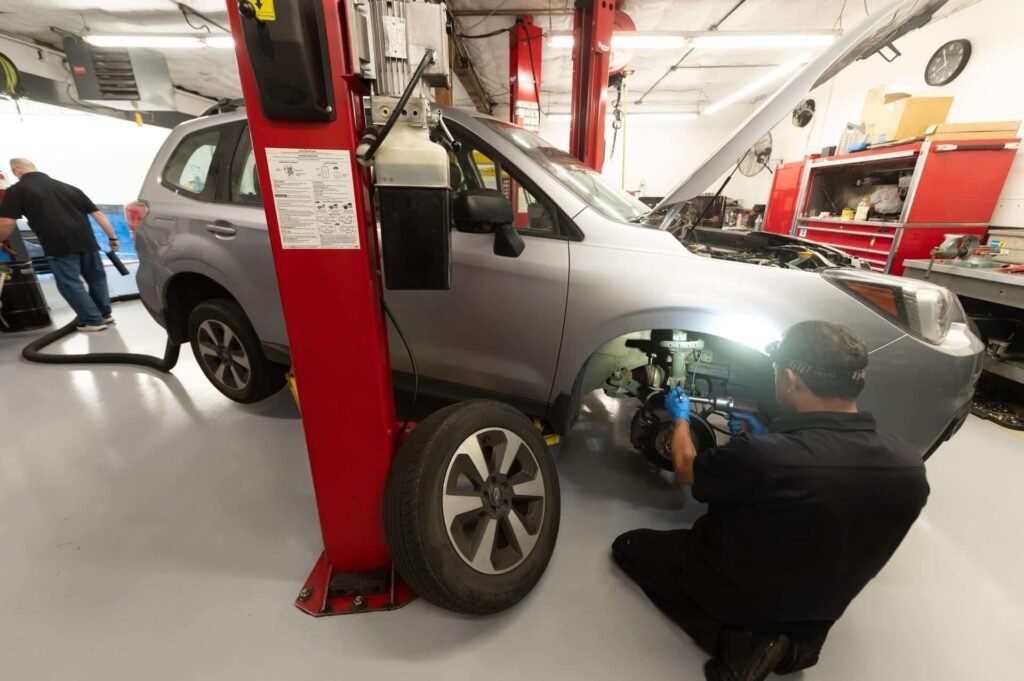
Your vehicle’s braking system is one of its most important safety systems. Squeaking, grinding, vibration, pulling, warning lights, or changes in brake-pedal feel can all indicate that the brakes need professional attention.
At Chuck’s Auto Repair – North Seattle, we provide complete brake inspections, diagnostics, maintenance, and repair for drivers throughout North Seattle. Our ASE-certified technicians inspect the full braking system, explain what they find, and recommend repairs based on the vehicle’s actual condition.
Brake noise does not automatically mean your vehicle only needs brake pads. Similar symptoms may be caused by rotors, calipers, brake hardware, brake fluid, hoses, wheel bearings, suspension components, or other related concerns. That is why we inspect the system before recommending repairs.
When brake rotors need replacement, we install brand-new rotors to provide a fresh, consistent braking surface and help support dependable braking performance.
📞 Call (206) 526-1069 or Schedule Brake Service Online.
Why Your Braking System Matters
Your brakes convert the vehicle’s movement into controlled stopping force. Each time you press the brake pedal, several hydraulic, mechanical, and electronic components must work together correctly.
Depending on the vehicle, the braking system may include:
- Brake pads
- Brake rotors
- Brake calipers
- Brake fluid
- Master cylinder
- Brake hoses and lines
- Brake hardware
- Parking brake components
- Wheel speed sensors
- Anti-lock braking system components
- Brake booster
- Electronic brake controls
Wear or failure in one part of the system can affect stopping performance, pedal feel, vehicle stability, and the condition of other brake components.
Having brake concerns inspected early can help prevent additional damage and reduce the chance of a more expensive repair later.
Common Signs You May Need Brake Repair
Your vehicle may need a brake inspection if you notice:
- Squeaking or squealing while braking
- Grinding noises
- Brake-pedal vibration or pulsation
- Steering-wheel vibration while braking
- Vehicle shaking when slowing down
- Longer stopping distances
- Soft or spongy brake pedal
- Brake pedal that feels unusually hard
- Vehicle pulling to one side while braking
- Brake warning light
- ABS warning light
- Burning smell after braking
- Brake-fluid leak
- Parking brake that does not hold properly
- Brake pedal traveling farther than normal
- Changes in braking performance
Some brake symptoms develop gradually. Drivers can become accustomed to small changes in pedal feel or stopping performance without realizing that the system is wearing.
If the brakes sound, feel, or perform differently, the vehicle should be inspected.
Why Are My Brakes Squeaking?
Brake squeaking or squealing can have several causes.
Possible causes include:
- Brake-pad wear indicators
- Worn brake pads
- Brake dust or debris
- Glazed brake surfaces
- Brake-hardware concerns
- Moisture or light surface rust
- Caliper problems
- Pad-material characteristics
- Uneven brake wear
Some brief brake noise may occur after rain or when light surface rust develops while the vehicle is parked. Persistent or worsening noise should be inspected.
A proper brake inspection helps determine whether the sound is caused by a temporary surface condition, worn components, or a developing repair concern.
Why Are My Brakes Grinding?
Grinding is often a sign that the braking system needs immediate attention.
Possible causes include:
- Severely worn brake pads
- Brake-pad material worn away
- Metal-to-metal contact
- Damaged brake rotors
- Brake hardware contacting the rotor
- Caliper concerns
- Wheel-bearing or related mechanical problems
Continuing to drive with grinding brakes can damage the rotors and other brake components and may reduce stopping performance.
If you hear grinding while braking, schedule an inspection as soon as practical.
Why Does My Vehicle Shake When Braking?
Brake vibration or pulsation may be felt through the brake pedal, steering wheel, or vehicle body.
Possible causes include:
- Uneven rotor thickness
- Irregular rotor surface
- Excessive heat
- Brake-pad material transfer
- Caliper concerns
- Improper wheel or rotor installation
- Worn suspension components
- Wheel-bearing problems
- Tire or wheel concerns
Brake vibration should be inspected before assuming a specific component is responsible.
Our technicians inspect the braking system and related components to determine where the vibration is coming from and what repair is appropriate.
When worn or damaged rotors are part of the problem, we replace them with brand-new brake rotors to provide a new braking surface.
Why Is My Brake Pedal Soft or Spongy?
A soft or spongy brake pedal can indicate a hydraulic or mechanical concern.
Possible causes include:
- Air in the brake hydraulic system
- Low brake fluid
- Brake-fluid leak
- Flexible hose deterioration
- Master-cylinder concerns
- Caliper or wheel-cylinder problems
- Brake-adjustment concerns on applicable vehicles
- Contaminated or deteriorated brake fluid
A change in brake-pedal feel should not be ignored.
If the pedal suddenly feels soft, travels farther than normal, or does not provide predictable braking, the vehicle should be inspected promptly.
Why Does My Vehicle Pull While Braking?
A vehicle that pulls to one side while braking may have a brake-system concern, but other systems can produce similar symptoms.
Possible causes include:
- Uneven brake-pad wear
- Sticking brake caliper
- Hydraulic-pressure differences
- Contaminated brake surfaces
- Brake-hose concerns
- Tire-pressure or tire-condition problems
- Steering or suspension wear
- Wheel-alignment concerns
Because several systems can affect how the vehicle tracks while braking, inspection is needed before repairs are recommended.
Our Brake Inspection and Diagnostic Process
At Chuck’s Auto Repair – North Seattle, brake concerns begin with a professional inspection.
1. Confirm the Customer’s Concern
We discuss the symptoms, when they occur, and whether the concern is constant or intermittent.
Helpful information may include:
- When the noise occurs
- Whether vibration is felt in the pedal or steering wheel
- Whether the vehicle pulls
- Whether a warning light is on
- Whether the concern changes with speed
- Whether brake repairs were recently performed
2. Road Test When Appropriate
A road test may help us confirm braking noise, vibration, pulling, pedal feel, or other symptoms.
3. Inspect Brake Components
We inspect accessible components such as:
- Brake pads
- Brake rotors
- Brake calipers
- Brake hardware
- Brake hoses
- Brake lines
- Brake fluid
- Parking-brake components
- Related visible parts
4. Measure Wear and Condition
Brake-pad thickness and rotor condition may be measured when appropriate.
We also evaluate:
- Uneven wear
- Surface condition
- Heat damage
- Fluid leaks
- Corrosion
- Hardware condition
- Caliper movement
- Rotor thickness and specification
5. Check Warning Lights and Electronic Systems
If the brake or ABS warning light is on, we may scan the vehicle for diagnostic trouble codes and test the related system.
6. Explain the Findings
We explain:
- What is worn or damaged
- What is causing the symptom
- What should be repaired now
- What may be monitored
- Why the repair is recommended
7. Verify the Repair
After approved repairs are completed, the braking system is checked again and road-tested when appropriate.
This process helps ensure recommendations are based on inspection results instead of assumptions.
Brake Pad Service
Brake pads create friction against the brake rotors to slow and stop the vehicle.
Brake pads gradually wear during normal driving. The rate of wear depends on:
- Vehicle weight
- Driving habits
- Traffic conditions
- Terrain
- Brake design
- Pad material
- Towing or load conditions
- Condition of related brake components
Seattle traffic, hills, frequent stopping, and short trips can contribute to brake wear.
Brake-pad replacement should include an inspection of the rotors, calipers, hardware, fluid condition, and related components. Replacing pads without evaluating the rest of the system can leave other concerns unresolved.
Brand-New Brake Rotor Replacement
Brake rotors provide the surface against which the brake pads create stopping force.
Rotors may need replacement because of:
- Wear below the manufacturer’s specification
- Deep scoring or surface damage
- Cracking
- Excessive heat exposure
- Uneven thickness
- Severe corrosion
- Brake vibration
- Contamination
- Damage caused by severely worn brake pads
At Chuck’s Auto Repair – North Seattle, when rotor replacement is needed, we install brand-new brake rotors.
New rotors provide:
- A fresh and consistent braking surface
- Proper thickness for the application
- Better compatibility with new brake pads
- More predictable braking performance
- Reduced risk of repeat vibration caused by worn or heat-affected rotor surfaces
- A more complete brake repair
We inspect the rotors and explain why replacement is recommended before repairs are performed.
Brake Caliper Service
Brake calipers apply the brake pads against the rotors.
A caliper concern may cause:
- Uneven brake-pad wear
- Vehicle pulling
- Brake drag
- Excessive heat
- Burning smell
- Reduced fuel economy
- Premature pad or rotor wear
- Fluid leakage
- Braking imbalance
Caliper problems may involve the piston, slide pins, seals, mounting hardware, or hydraulic operation.
Our technicians inspect the caliper and related components before recommending replacement.
Brake Fluid Service
Brake fluid transfers hydraulic pressure from the brake pedal to the brake components at the wheels.
Over time, brake fluid can absorb moisture and become contaminated. Fluid condition and replacement intervals vary by manufacturer and vehicle.
Brake-fluid service may be recommended based on:
- Manufacturer maintenance schedule
- Fluid condition
- Moisture content
- Contamination
- Brake-repair requirements
- Hydraulic-system concerns
Brake fluid must meet the correct specification for the vehicle.
We base brake-fluid recommendations on the manufacturer’s requirements and the vehicle’s actual condition rather than a generic maintenance package.
Brake Hoses and Brake Lines
Brake hoses and metal brake lines carry hydraulic pressure through the braking system.
Possible concerns include:
- Fluid leaks
- Cracking
- Swelling
- Corrosion
- Internal hose restriction
- Damaged fittings
- Physical damage
- Deterioration from age or exposure
A restricted brake hose can sometimes contribute to brake drag or uneven braking even when no external leak is visible.
Brake-fluid leaks should be inspected immediately because they can affect hydraulic pressure and stopping performance.
ABS Warning Light and Anti-Lock Brake Diagnostics
The anti-lock braking system helps prevent wheel lockup during certain braking conditions.
Modern ABS systems may use:
- Wheel-speed sensors
- Tone rings
- Wiring
- Hydraulic-control units
- Control modules
- Pumps
- Valves
- Brake-system data from other modules
An ABS warning light means the system has detected a fault. The vehicle may still have basic braking ability, but anti-lock braking or related stability functions may be limited or disabled.
Possible causes include:
- Wheel-speed sensor problems
- Damaged wiring
- Contaminated or damaged tone rings
- Low system voltage
- Hydraulic-unit concerns
- Control-module faults
- Wheel-bearing-related sensor issues
Diagnostic testing is needed to determine why the warning light is on.
Parking Brake Service
The parking brake helps hold the vehicle when parked and may serve as an emergency mechanical braking system on some vehicles.
Parking-brake concerns may include:
- Parking brake does not hold
- Parking brake will not release
- Warning light remains on
- Cable damage
- Electronic parking-brake fault
- Adjustment concerns
- Corrosion
- Internal brake wear
Electronic parking-brake systems may require scan-tool procedures or specific service steps.
We inspect the system and determine whether the concern is mechanical, electrical, or adjustment-related.
What Brake Service May Include
Depending on the vehicle and inspection findings, brake service may include:
- Complete brake inspection
- Brake-pad replacement
- Brand-new brake-rotor replacement
- Brake-caliper service or replacement
- Brake-hardware replacement
- Brake-fluid service
- Brake-hose replacement
- Brake-line repair
- Master-cylinder diagnosis or replacement
- Parking-brake service
- ABS diagnostics
- Wheel-speed sensor diagnosis
- Brake warning-light diagnostics
- Road testing
- Post-repair verification
The exact repair depends on the vehicle’s design, symptoms, component condition, and inspection results.
Why Proper Brake Diagnosis Matters
Different brake problems can produce similar symptoms.
For example, vibration may involve:
- Brake rotors
- Tires
- Wheel bearings
- Suspension components
- Installation concerns
Pulling may involve:
- Calipers
- Brake hoses
- Tires
- Alignment
- Suspension components
A warning light may involve:
- Low brake fluid
- Wheel-speed sensors
- Wiring
- Hydraulic systems
- Electronic controls
Replacing parts based only on a symptom can lead to unnecessary repairs or leave the original problem unresolved.
Our approach is to inspect, test, identify, explain, and then repair.
Preventive Brake Maintenance
Brake wear cannot be eliminated, but regular inspections can help identify concerns before they become larger repairs.
Helpful steps include:
- Have the brakes inspected during routine maintenance
- Address new noises promptly
- Do not ignore vibration or pulling
- Watch for changes in pedal feel
- Pay attention to brake and ABS warning lights
- Have fluid leaks inspected immediately
- Follow manufacturer brake-fluid recommendations
- Avoid driving with grinding brakes
- Have the vehicle inspected before long trips
- Ask for an inspection if you are unsure of the brake history
Brake-inspection frequency depends on mileage, driving conditions, vehicle use, and prior service history.
Why Choose Chuck’s Auto Repair – North Seattle?
- AAA-approved auto repair facility
- ASE-certified technicians
- Trusted by Seattle-area drivers for more than 30 years
- Complete brake inspections
- Professional brake diagnostics
- Brand-new brake rotors when replacement is needed
- Recommendations based on actual component condition
- Clear explanations before repairs are performed
- 24-month / 24,000-mile parts and labor warranty
- 12-month / 12,000-mile nationwide warranty coverage
- Convenient North Seattle location
We do not assume every brake noise requires the same repair. We inspect the complete braking system, explain what we find, and help you understand what needs attention.
Warranty Protection for Qualifying Brake Repairs
Qualifying brake repairs are backed by our 24-month / 24,000-mile parts and labor warranty.
The warranty also includes 12-month / 12,000-mile nationwide coverage, giving you added protection if you need warranty assistance while traveling away from Seattle.
The nationwide 1-800 assistance information is printed on every repair invoice. Customers also receive a keytag containing the warranty information for convenient access while on the road.
Convenient Brake Repair in North Seattle
Chuck’s Auto Repair – North Seattle
9115 Roosevelt Way NE
Seattle, WA 98115
We provide brake inspections and brake repair for drivers throughout:
Maple Leaf • Roosevelt • Northgate • Green Lake • Wedgwood • University District • Ravenna • Lake City • Wallingford • Greenwood
📞 Call (206) 526-1069 to schedule a brake inspection.
Brake Repair FAQs
How do I know if I need brake pads and rotors?
A brake inspection is needed to measure pad thickness and evaluate the rotor surface, thickness, and overall condition. When the rotors are worn, damaged, heat-affected, or outside specification, we replace them with brand-new rotors.
How long do brake pads last?
Brake-pad life varies based on vehicle weight, driving habits, traffic, terrain, pad material, and brake-system condition. There is no single mileage interval that applies to every vehicle.
Why do my brakes squeak when they are cold or wet?
Moisture and light surface rust can sometimes cause temporary noise. Persistent squeaking may indicate pad wear, glazing, hardware concerns, contamination, or another brake issue.
Can I drive with grinding brakes?
Driving with grinding brakes can damage the rotors and other components and may reduce braking performance. The vehicle should be inspected as soon as possible.
Why does my steering wheel shake when I brake?
The cause may involve rotor thickness variation, brake components, wheel bearings, tires, or suspension concerns. Inspection is needed to identify the source.
What does a soft brake pedal mean?
A soft pedal may be caused by air in the system, fluid loss, hose deterioration, hydraulic-component concerns, or another brake-system issue. It should be inspected promptly.
Why does my car pull while braking?
Pulling can involve calipers, brake hoses, uneven braking force, tires, alignment, or suspension components. A complete inspection helps determine the cause.
Can you diagnose an ABS warning light?
Yes. We can scan the system, inspect related components, and perform testing to determine why the ABS warning light is on.
How often should brake fluid be replaced?
Intervals vary by manufacturer and vehicle. Fluid service may also be recommended based on condition, moisture, contamination, or repair requirements.
Do you replace brake calipers?
Yes. If inspection confirms that a caliper is leaking, seized, damaged, or not operating properly, we can recommend the appropriate repair or replacement.
Do you install new brake rotors?
Yes. When rotor replacement is required, we install brand-new brake rotors to provide a fresh, consistent braking surface and support a complete brake repair.
Do brake repairs include a warranty?
Qualifying repairs are backed by our 24-month / 24,000-mile parts and labor warranty, including 12-month / 12,000-mile nationwide warranty coverage.
How long does brake service take?
Timing depends on the vehicle, inspection findings, parts availability, and repairs required. We can provide a better estimate after inspecting the braking system.
Schedule Brake Repair in North Seattle
If your brakes are squeaking, grinding, vibrating, pulling, or no longer feel normal, schedule an inspection with Chuck’s Auto Repair – North Seattle.
Our ASE-certified technicians will inspect the braking system, explain what they find, and recommend repairs based on your vehicle’s actual condition.
When rotors need replacement, we install brand-new brake rotors as part of a complete, dependable brake repair.
📞 Call (206) 526-1069 or Book Brake Service Online.