Major Auto Repair in North Seattle
AAA-approved auto repair • ASE-certified technicians • Trusted by Seattle-area drivers for more than 30 years
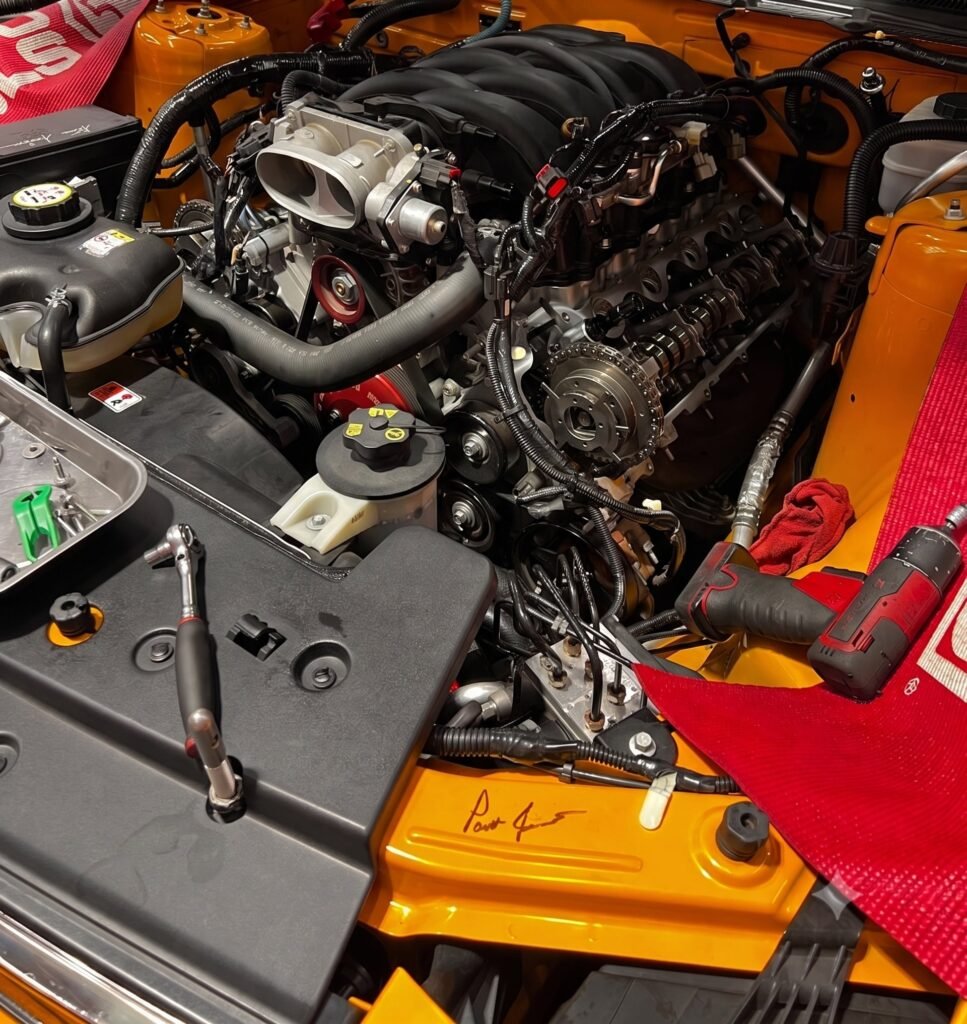
Major vehicle problems can be stressful, especially when the repair involves the engine, transmission, drivetrain, cooling system, electrical system, steering, suspension, or several related components.
At Chuck’s Auto Repair – North Seattle, we provide professional diagnosis and major auto repair for drivers throughout North Seattle. Our ASE-certified technicians inspect and test the vehicle, identify the cause of the problem, explain the findings, and help you understand the available repair options before approved work begins.
A major symptom does not always mean the vehicle needs a major repair. Overheating, loss of power, severe vibration, fluid leakage, warning lights, or a no-start condition may sometimes be caused by a smaller component. That is why we begin with diagnosis rather than assuming the most expensive outcome.
When a major repair is confirmed, we help you evaluate the condition of the vehicle, the extent of the damage, the work required, and whether repairing the vehicle makes practical sense.
📞 Call (206) 526-1069 or Schedule Major Auto Repair Diagnostics Online.
What Is Considered a Major Auto Repair?
A major auto repair generally involves extensive labor, internal mechanical components, multiple related systems, significant disassembly, or a high-value vehicle component.
Major repairs may involve:
- Internal engine components
- Cylinder heads
- Head gaskets
- Timing components
- Engine replacement
- Transmission repair or replacement
- Clutch replacement
- Differential repair
- Transfer-case concerns
- Cooling-system failures
- Major oil or coolant leaks
- Steering-system components
- Suspension assemblies
- Electrical-system diagnosis and repair
- Drivetrain components
- Severe overheating damage
- Damage caused by component failure
- Repairs requiring substantial disassembly
The exact meaning of “major repair” depends on the vehicle and the problem.
A repair that is extensive on one vehicle may be more straightforward on another because access, design, parts availability, and manufacturer procedures vary.
Common Signs Your Vehicle May Need Major Repair
Your vehicle may need professional diagnosis if you notice:
- Engine knocking, tapping, or rattling
- Severe or repeated overheating
- Persistent coolant loss
- Low oil pressure
- Metal found in engine or drivetrain fluid
- Heavy oil or coolant leakage
- Engine misfire with low compression
- White, blue, or black exhaust smoke
- Engine will not start
- Engine stalls repeatedly
- Significant loss of power
- Transmission slipping
- Transmission will not engage
- Severe shifting problems
- Clutch slipping badly
- Grinding from the drivetrain
- Differential whining or clunking
- Severe vibration during acceleration
- Vehicle sitting unusually low
- Steering that feels loose or unsafe
- Major suspension damage
- Multiple electrical systems failing
- Burning smell
- Fluid contamination
- Warning lights accompanied by serious drivability symptoms
- Vehicle becoming difficult or unsafe to drive
These symptoms do not identify the failed component by themselves.
Diagnosis is needed to determine whether the concern is caused by a major internal failure, a related external component, or more than one problem.
A Major Symptom Does Not Always Mean a Major Repair
Some symptoms sound serious but may have several possible causes.
For example, an engine that will not start may be caused by:
- Discharged battery
- Starter concern
- Fuel-delivery problem
- Ignition failure
- Sensor fault
- Electrical connection
- Engine timing problem
- Internal mechanical damage
An overheating engine may be caused by:
- Low coolant
- Leaking hose
- Thermostat
- Cooling fan
- Water pump
- Radiator restriction
- Head gasket
- Cylinder-head damage
Severe vibration may involve:
- Tire or wheel
- CV axle
- Driveshaft
- Engine mount
- Transmission mount
- Wheel bearing
- Differential
- Internal drivetrain component
We begin with testing because replacing a major component without confirming the cause can create unnecessary expense and may not correct the original problem.
Our Major Repair Diagnostic Process
At Chuck’s Auto Repair – North Seattle, major repair concerns begin with a structured evaluation.
1. Discuss the Vehicle’s Symptoms and History
We ask about:
- When the problem began
- Whether it happened suddenly or gradually
- Warning lights or dashboard messages
- Unusual noises
- Fluid leaks
- Overheating
- Recent repairs
- Previous maintenance
- Whether the vehicle has been driven since the symptom appeared
- Whether the problem changes when the vehicle is cold, warm, accelerating, turning, or under load
The vehicle’s history may help identify what happened and whether additional damage is possible.
2. Perform an Initial Visual Inspection
Depending on the concern, we may inspect:
- Fluid levels
- Fluid condition
- Visible leaks
- Wiring and connectors
- Belts and hoses
- Cooling-system components
- Engine compartment
- Drivetrain components
- Suspension
- Steering components
- Signs of overheating
- Signs of impact damage
- Evidence of previous repair work
3. Scan Vehicle Computer Systems
Modern vehicles may store diagnostic information related to:
- Engine operation
- Transmission operation
- Misfires
- Cooling-system temperature
- Electrical circuits
- Drivetrain controls
- Anti-lock brakes
- Steering systems
- All-wheel-drive systems
- Module communication
A trouble code helps direct testing but does not automatically prove that a particular part has failed.
4. Reproduce the Concern When Appropriate
A road test or controlled operating test may help confirm:
- Noise
- Vibration
- Loss of power
- Shifting concerns
- Overheating
- Steering behavior
- Drivetrain operation
- Intermittent faults
A road test is only performed when the vehicle can be operated safely.
5. Test the Suspected System
Testing may include:
- Electrical circuit testing
- Cooling-system pressure testing
- Compression testing
- Cylinder leak-down testing
- Fuel-pressure testing
- Ignition-system testing
- Engine-oil-pressure testing
- Mechanical timing inspection
- Transmission or drivetrain evaluation
- Fluid inspection
- Smoke testing
- Charging and starting-system testing
- Component movement or wear measurements
6. Determine Whether Disassembly Is Required
Some failures can be confirmed without taking the vehicle apart.
Other concerns require partial disassembly to inspect:
- Internal engine components
- Cylinder head
- Timing components
- Clutch assembly
- Transmission components
- Differential components
- Hidden wiring
- Damaged seals or mating surfaces
When additional disassembly is required, we explain why before proceeding.
7. Explain the Findings and Options
We explain:
- What failed
- What testing confirmed
- Whether related damage is present
- What additional inspection may be needed
- Which repair options are available
- What should be repaired now
- Whether the vehicle is safe to drive
- Whether replacement of a major component should be considered
8. Perform Approved Repairs
No additional repair should be performed simply because the vehicle is already disassembled. Findings and recommendations should be explained before extra work is authorized.
9. Verify the Repair
After approved work is completed, verification may include:
- Fluid-level checks
- Leak inspection
- Computer-system scan
- Operating-temperature verification
- Road testing
- Noise or vibration confirmation
- System relearn or reset procedures
- Post-repair performance checks
The goal is to correct the cause and verify that the affected system operates properly.
What Major Auto Repair May Include
Depending on the vehicle and confirmed findings, major repair may include:
- Internal engine diagnosis
- Cylinder-head repair or replacement
- Head gasket replacement
- Timing belt or timing-chain repair
- Engine replacement
- Transmission diagnosis
- Transmission replacement
- Clutch replacement
- Flywheel replacement
- Differential repair or replacement
- Transfer-case repair or replacement
- Major cooling-system repair
- Water-pump replacement
- Radiator replacement
- Major oil-leak repair
- Major coolant-leak repair
- Steering-system repair
- Suspension-component replacement
- Subframe-related repair
- Drivetrain repair
- CV axle or driveshaft replacement
- Complex electrical diagnosis
- Wiring-harness repair
- Control-component replacement
- Related seals, gaskets, bearings, and hardware
- Fluid replacement
- Post-repair testing and verification
The exact repair depends on the vehicle’s design, the failed component, related damage, and manufacturer procedures.
Major Engine Repair
The engine converts fuel energy into the power needed to move the vehicle.
Major engine concerns may involve:
- Low compression
- Excessive oil consumption
- Low oil pressure
- Internal knocking
- Valve damage
- Piston or cylinder damage
- Bearing failure
- Head gasket failure
- Cylinder-head damage
- Engine overheating
- Timing failure
- Cracked engine components
- Coolant or oil contamination
Possible symptoms include:
- Severe engine noise
- Misfire
- Loss of power
- Hard starting
- No-start condition
- Exhaust smoke
- Low oil pressure warning
- Overheating
- Metal in the oil
- Excessive oil or coolant consumption
Before recommending an internal engine repair or replacement, diagnosis may include computer data, oil-pressure testing, compression testing, leak-down testing, fluid inspection, cooling-system testing, and internal inspection.
Engine Repair vs. Engine Replacement
A major engine problem may have more than one repair option.
Possible options include:
- Repairing the specific failed component
- Rebuilding part of the engine
- Replacing the cylinder head
- Installing a used engine
- Installing a remanufactured engine
- Replacing the vehicle
The best option may depend on:
- Vehicle age
- Vehicle condition
- Mileage
- Extent of engine damage
- Previous maintenance
- Overheating history
- Cost of repair
- Parts availability
- Warranty options
- Condition of the transmission and drivetrain
- Customer plans for the vehicle
Replacing the entire engine is not always necessary. However, repairing one damaged section may not be practical if the rest of the engine has extensive wear or contamination.
We explain the confirmed findings and practical options before a major engine decision is made.
Head Gasket and Cylinder-Head Repairs
A head gasket seals combustion pressure, engine oil, and coolant between the cylinder head and engine block.
Possible symptoms of failure include:
- Overheating
- Coolant loss
- White exhaust smoke
- Startup misfire
- Cooling-system pressure
- Oil and coolant contamination
- Low compression
Before recommending head gasket repair, testing may include:
- Cooling-system pressure test
- Combustion-gas test
- Compression test
- Cylinder leak-down test
- Spark-plug inspection
- Scan-data review
- Fluid inspection
During repair, the cylinder head and engine-block sealing surfaces must be evaluated for warping, cracking, corrosion, or heat damage.
Replacing only the gasket without identifying the original cause of overheating or checking related surfaces may lead to repeat failure.
Timing Belt and Timing Chain Repairs
Timing components keep the crankshaft and camshafts synchronized.
Depending on the engine, the system may include:
- Timing belt
- Timing chain
- Guides
- Tensioners
- Sprockets
- Variable valve timing components
- Oil-controlled actuators
- Related seals
- Water pump on some timing-belt applications
Timing-system concerns may cause:
- Rattling
- Hard starting
- Misfire
- Loss of power
- Timing-correlation codes
- Oil leakage
- No-start condition
- Internal engine damage
If the timing belt or chain loses proper synchronization, valves and pistons may contact each other on some engines.
Testing and inspection are needed to determine whether the problem is limited to the timing components or has caused internal damage.
Major Cooling-System Repair
The cooling system prevents the engine from operating at damaging temperatures.
Major cooling-system concerns may involve:
- Radiator
- Water pump
- Thermostat
- Cooling fans
- Heater core
- Coolant pipes
- Head gasket
- Cylinder head
- Engine block
- Multiple leaks
- Restricted coolant circulation
Repeated or severe overheating can damage:
- Head gasket
- Cylinder head
- Engine block
- Pistons
- Bearings
- Seals
- Catalytic converter
A complete repair should address both the damaged component and the original cause of the overheating.
Simply replacing a failed head gasket, for example, may not provide a lasting repair if a restricted radiator or inoperative cooling fan caused the engine to overheat.
Transmission Repair and Replacement
The transmission transfers engine power through different gear ratios.
Major transmission symptoms may include:
- Slipping
- Delayed engagement
- Harsh shifting
- Failure to move
- Grinding
- Fluid leakage
- Warning lights
- Vehicle entering limp mode
- Unusual transmission noise
- Metal or debris in the fluid
Similar symptoms may also involve:
- Low fluid
- Electrical circuit
- Sensor
- Solenoid
- Control module
- Engine-performance problem
- Axle or differential
- Mount
- Internal transmission damage
Diagnosis should identify whether the problem can be corrected with an external repair, electrical repair, component replacement, or complete transmission replacement.
Routine fluid service is not a repair for a transmission that already has a confirmed internal failure.
Clutch and Manual-Transmission Repair
Manual-transmission vehicles may require major repair when the clutch or related components fail.
The system may include:
- Clutch disc
- Pressure plate
- Flywheel
- Release bearing
- Pilot bearing
- Master cylinder
- Slave cylinder
- Hydraulic lines
- Cable or linkage
- Transmission components
Possible symptoms include:
- Clutch slipping
- Difficulty shifting
- Grinding
- Changed pedal feel
- Burning smell
- Shudder
- Noise when pressing or releasing the pedal
- Vehicle will not move normally
Not every shifting concern requires clutch replacement.
Hydraulic, linkage, mount, and internal transmission concerns should be considered before the repair is recommended.
Differential and Drivetrain Repair
The drivetrain transfers power from the transmission to the wheels.
Major drivetrain components may include:
- Front differential
- Rear differential
- Center differential
- Transfer case
- Driveshaft
- CV axles
- Universal joints
- Wheel hubs
- Mounts
- Electronic couplings
Possible symptoms include:
- Whining
- Clunking
- Grinding
- Vibration
- Binding
- Fluid leakage
- Loss of drive
- AWD or 4WD warning light
Differential and drivetrain noises can be confused with tire, wheel-bearing, axle, or suspension concerns.
A complete inspection helps identify the actual source.
Major Steering and Suspension Repair
Steering and suspension systems support vehicle control, tire contact, alignment, and ride quality.
Major repairs may involve:
- Steering rack
- Power-steering components
- Control arms
- Ball joints
- Tie rods
- Struts
- Shocks
- Springs
- Wheel bearings
- Knuckles
- Subframe components
- Multiple worn or damaged parts
Possible symptoms include:
- Loose steering
- Vehicle pulling
- Severe clunking
- Excessive bouncing
- Uneven tire wear
- Steering-fluid leakage
- Vehicle sitting low
- Difficulty maintaining control
- Noise while turning
- Impact-related damage
Replacement recommendations should be based on measured wear, visible damage, leaks, movement, and vehicle-specific inspection requirements.
Complex Electrical and Electronic Repair
Modern vehicles depend on electrical power and communication between multiple control systems.
Major electrical concerns may involve:
- Wiring harness
- Multiple failed circuits
- Water intrusion
- Extensive corrosion
- Charging-system damage
- Control-module communication
- Electrical short
- Parasitic battery draw
- Starting-system failure
- Damaged connectors
- Previous incorrect wiring repairs
A code identifying a module or circuit does not automatically prove that the module itself has failed.
Electrical diagnosis may require testing:
- Power supply
- Ground circuits
- Wiring continuity
- Voltage drop
- Network communication
- Sensor inputs
- Controlled outputs
- Related fuses and relays
Proper testing helps avoid expensive module or component replacement when the actual problem is wiring, voltage, corrosion, or a poor connection.
Why Major Repairs Sometimes Require Staged Diagnosis
Not every major repair can be fully estimated from an external inspection.
For example, after removing a cylinder head, technicians may discover:
- Cracking
- Warping
- Valve damage
- Cylinder damage
- Corrosion
- Damaged threads
- Additional gasket failure
After removing a transmission or clutch, inspection may reveal:
- Flywheel damage
- Fluid contamination
- Broken mounts
- Damaged seals
- Worn bearings
- Related drivetrain concerns
This does not mean the original diagnosis was incorrect. Some internal conditions cannot be seen or measured until access is created.
When staged diagnosis is needed, we explain:
- What is known
- What remains unknown
- Why disassembly is required
- What additional findings may affect the repair
- What authorization is needed before continuing
Repairing Related Components During Major Service
Major repairs often involve overlapping labor.
When a component is already accessible, it may be practical to inspect or replace related parts that are:
- Due by mileage or time
- Worn
- Leaking
- Damaged
- Required by the manufacturer
- Commonly replaced with the primary component
- Difficult to access after reassembly
Examples may include:
- Timing components during cylinder-head work
- Water pump during certain timing-belt services
- Release bearing during clutch replacement
- Seals accessible during transmission removal
- Thermostat during major cooling-system repair
- Damaged mounts during drivetrain repair
This does not mean every accessible part should automatically be replaced.
Recommendations should be based on condition, service history, manufacturer procedures, labor overlap, and repair value.
New, Remanufactured, and Used Major Components
Some major repairs may involve choosing between different component types.
New Components
New components have not previously been installed or used.
Availability and cost vary by vehicle.
Remanufactured Components
A remanufactured engine, transmission, steering rack, or other assembly has been disassembled, inspected, repaired, and reassembled according to the remanufacturer’s process.
Quality and warranty depend on the supplier.
Used Components
A used component is removed from another vehicle.
Important considerations may include:
- Mileage
- Prior condition
- Vehicle compatibility
- Supplier warranty
- Availability
- Unknown maintenance history
- Labor required to replace it again if it fails
We explain the practical differences when more than one option is available.
Should You Repair or Replace the Vehicle?
A major repair decision should consider more than the repair cost alone.
Useful questions include:
- What is the vehicle worth in its current condition?
- What is it worth after repair?
- Is the body and interior in good condition?
- Are the engine and transmission otherwise healthy?
- Are additional major repairs likely soon?
- Has the vehicle been maintained?
- Does the vehicle meet your current needs?
- What would a replacement vehicle cost?
- Would the replacement vehicle have unknown problems?
- How long do you plan to keep the vehicle?
- Is financing another vehicle practical?
An older vehicle may still be worth repairing when it is otherwise reliable and replacement costs are high.
In other situations, extensive damage or several major concerns may make replacement more practical.
We provide the mechanical findings so you can make the decision that fits your needs.
Why Proper Major Repair Diagnosis Matters
A major repair should not begin with guesswork.
Without proper diagnosis:
- Serviceable components may be replaced
- The original problem may remain
- Related damage may be overlooked
- Repair costs may increase
- A replacement component may fail again
- The vehicle may remain unreliable
Our approach is to:
- Confirm the symptom
- Inspect the affected systems
- Perform the necessary tests
- Identify the root cause
- Evaluate related damage
- Explain the options
- Complete authorized repairs
- Verify the result
This process helps create a repair plan based on evidence rather than assumptions.
Can You Drive a Vehicle That May Need Major Repair?
That depends on the symptom.
Stop driving or reduce driving when the vehicle has:
- Severe overheating
- Low oil-pressure warning
- Heavy fluid leakage
- Grinding or severe mechanical noise
- Flashing check engine light with severe misfire
- Loss of braking ability
- Unsafe steering
- Smoke or burning odor
- Major loss of power
- Transmission that will not engage properly
- Severe vibration
- Risk of further engine or drivetrain damage
Driving a vehicle with a serious fault may turn a repairable problem into a more expensive failure.
When unsure, contact the shop and describe the symptoms before continuing to drive.
Why Major Repair Costs Vary
Major repair costs vary because of:
- Vehicle design
- Engine or drivetrain configuration
- Labor required for access
- Parts availability
- New, remanufactured, or used component options
- Extent of damage
- Additional findings after disassembly
- Required fluids and hardware
- Manufacturer procedures
- Programming or relearn requirements
- Corrosion
- Previous repair work
- Related components that also require attention
A meaningful estimate must be based on the specific vehicle and confirmed repair—not a generic price for the symptom.
What to Expect During a Major Repair
A major repair may involve several stages:
- Initial inspection and diagnosis
- Repair recommendation
- Estimate and authorization
- Parts sourcing
- Disassembly
- Internal inspection
- Updated findings when necessary
- Repair or component replacement
- Reassembly
- Fluid filling and system bleeding
- Computer resets or relearns
- Post-repair testing
- Road test when appropriate
- Final leak and operation inspection
Some major repairs require more time than routine services because of the number of components involved and the need to verify the work carefully.
Preventing Major Vehicle Repairs
Not every major repair can be prevented, but regular maintenance and early diagnosis may reduce the risk.
Helpful steps include:
- Follow manufacturer maintenance recommendations
- Maintain the correct engine-oil level
- Use the correct fluids
- Repair coolant leaks promptly
- Stop driving when the engine overheats
- Address warning lights
- Investigate new noises
- Repair misfires promptly
- Maintain transmission and drivetrain fluids when required
- Inspect belts and hoses
- Have repeated fluid loss diagnosed
- Avoid continuing to drive with low oil pressure
- Repair steering and suspension wear
- Have the vehicle inspected before a long trip
Early attention may allow a smaller repair to be completed before additional systems are damaged.
Why Choose Chuck’s Auto Repair – North Seattle?
- AAA-approved auto repair facility
- ASE-certified technicians
- Trusted by Seattle-area drivers for more than 30 years
- Professional diagnosis before major repair
- Engine, drivetrain, cooling, electrical, steering, and suspension evaluation
- Testing before component replacement
- Vehicle-specific repair procedures
- Clear explanations of findings and options
- Repair recommendations based on confirmed conditions
- 24-month / 24,000-mile parts and labor warranty
- 12-month / 12,000-mile nationwide warranty coverage
- Convenient North Seattle location
We understand that major repair decisions can affect your transportation, budget, and plans for the vehicle.
Our goal is to provide the mechanical information you need to make an informed decision.
Warranty Protection for Qualifying Major Repairs
Qualifying major repairs are backed by our 24-month / 24,000-mile parts and labor warranty.
The warranty also includes 12-month / 12,000-mile nationwide coverage, providing added protection if you need warranty assistance while traveling away from Seattle.
The nationwide 1-800 assistance information is printed on every repair invoice. Customers also receive a warranty keytag for convenient access while on the road.
Warranty coverage depends on the repair performed, parts or assemblies installed, supplier terms, and applicable warranty conditions.
Convenient Major Auto Repair in North Seattle
Chuck’s Auto Repair – North Seattle
9115 Roosevelt Way NE
Seattle, WA 98115
We provide major auto repair diagnosis and service for drivers throughout:
Maple Leaf • Roosevelt • Northgate • Green Lake • Wedgwood • University District • Ravenna • Lake City • Wallingford • Greenwood
📞 Call (206) 526-1069 to schedule a major repair evaluation.
Major Auto Repair FAQs
What is considered a major car repair?
A major repair usually involves significant labor, extensive disassembly, internal mechanical parts, or a major component such as the engine, transmission, differential, clutch, cooling system, steering system, or drivetrain.
Does a serious symptom always mean I need a major repair?
No. Some serious symptoms may be caused by a smaller component. Diagnosis is required before the extent of the repair can be determined.
Can you diagnose the problem before replacing a major component?
Yes. We inspect and test the affected systems to confirm the cause before recommending major component replacement.
Why might additional damage be found after disassembly?
Some internal surfaces and components cannot be inspected until the engine, transmission, clutch, or other assembly is opened or removed. We explain additional findings before further repairs are performed.
Is it better to repair or replace an engine?
The best option depends on the damage, engine mileage, vehicle condition, repair cost, parts availability, and how long you plan to keep the vehicle.
Is a used engine or transmission a good option?
It may be practical in some situations, but mileage, condition, compatibility, supplier warranty, and unknown service history should be considered.
What is a remanufactured engine or transmission?
A remanufactured assembly has been disassembled, inspected, repaired, and reassembled according to the supplier’s process. Quality and warranty vary by supplier.
Can an overheating engine be repaired?
Sometimes. The repair depends on whether the overheating damaged the head gasket, cylinder head, engine block, bearings, or other internal components.
Should I drive with a loud engine knock?
A loud knock may indicate a serious internal engine concern. Continuing to drive could increase the damage. The vehicle should be inspected promptly.
Can a transmission problem be electrical rather than internal?
Yes. Sensors, solenoids, wiring, voltage, control modules, and engine-performance concerns can affect transmission operation. Diagnosis is needed before assuming internal failure.
Why is a major repair estimate sometimes given in stages?
The first stage covers diagnosis or access. After internal inspection, the shop may be able to confirm the full extent of the damage and provide the remaining repair options.
Will you explain whether the vehicle is worth repairing?
We can explain the mechanical condition, confirmed repair needs, and known risks. The final decision also depends on the vehicle’s value, your budget, and your transportation needs.
How long does a major repair take?
Timing depends on the vehicle, diagnosis, parts availability, labor requirements, machine-shop needs when applicable, and whether additional damage is found.
Do major repairs include a warranty?
Qualifying repairs are backed by our 24-month / 24,000-mile parts and labor warranty, including 12-month / 12,000-mile nationwide warranty coverage. Coverage depends on the repair and components installed.
Can regular maintenance prevent major repairs?
Maintenance cannot prevent every failure, but correct fluid service, leak repair, cooling-system care, and early diagnosis may reduce the risk of avoidable damage.
Schedule Major Auto Repair Diagnostics in North Seattle
If your vehicle is overheating, losing power, making severe mechanical noise, leaking heavily, slipping, vibrating, or experiencing another serious problem, schedule an evaluation with Chuck’s Auto Repair – North Seattle.
Our ASE-certified technicians will inspect and test the affected systems, explain the confirmed findings, and help you understand the available repair options.
We begin with diagnosis because a major symptom does not always mean the vehicle needs the most expensive repair.
📞 Call (206) 526-1069 or Book Major Auto Repair Diagnostics Online.