Auto Maintenance Service in North Seattle
AAA-approved auto repair • ASE-certified technicians • Trusted by Seattle-area drivers for more than 30 years
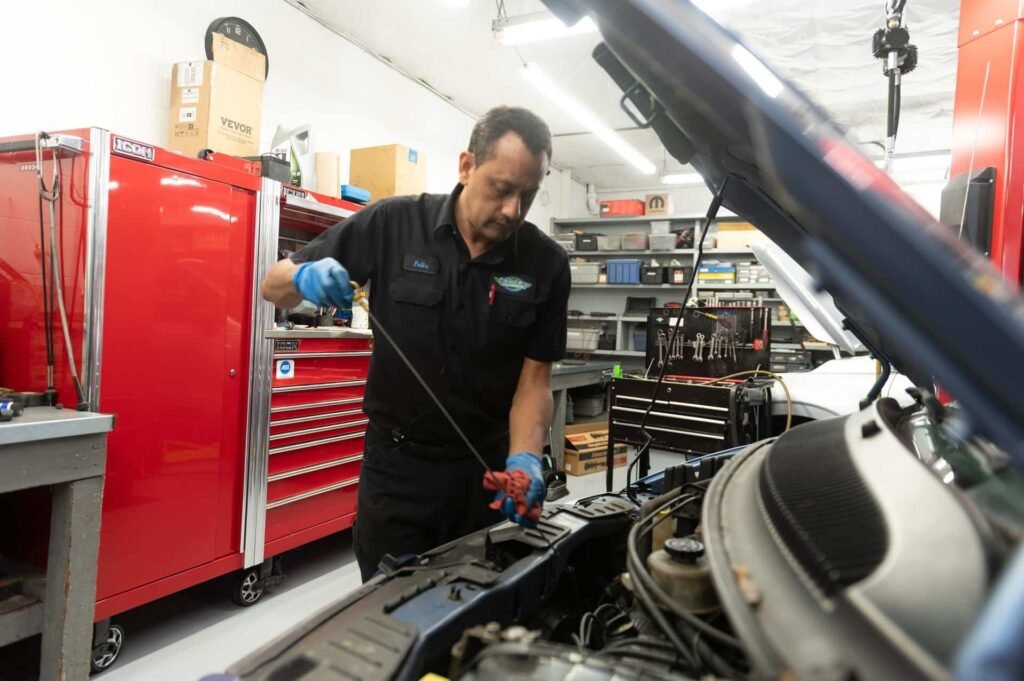

Regular vehicle maintenance helps protect reliability, performance, fuel economy, safety, and long-term vehicle value. The correct maintenance plan depends on your vehicle’s manufacturer recommendations, mileage, age, service history, operating conditions, and current condition.
At Chuck’s Auto Repair – North Seattle, we provide professional automotive maintenance for drivers throughout North Seattle. Our ASE-certified technicians inspect your vehicle, review its maintenance needs, and help you prioritize services based on what is due and what the vehicle actually needs.
We do not treat every vehicle the same or recommend a generic maintenance package. A newer commuter vehicle, an older high-mileage car, an all-wheel-drive SUV, and a vehicle regularly used for short trips may all have different requirements.
📞 Call (206) 526-1069 or Schedule Auto Maintenance Online.
What Is Preventive Auto Maintenance?
Preventive maintenance is the routine inspection and servicing of vehicle systems before wear, contamination, or fluid deterioration leads to a breakdown or more expensive repair.
Maintenance may involve:
- Engine oil and filter
- Air filter
- Cabin air filter
- Brake system
- Brake fluid
- Cooling system
- Coolant
- Transmission fluid
- Differential fluid
- Transfer-case fluid
- Belts and hoses
- Battery and charging system
- Spark plugs
- Ignition components
- Tires
- Steering and suspension
- Windshield wipers
- Exterior lighting
- Fluid levels
- Manufacturer-required inspections
The exact services and intervals vary by vehicle.
Some items are replaced at specific mileage or time intervals. Others should be inspected regularly and serviced based on condition.
Why Regular Vehicle Maintenance Matters
A vehicle may appear to run normally while fluids are deteriorating, filters are becoming restricted, or components are beginning to wear.
Routine maintenance can help:
- Reduce the risk of unexpected breakdowns
- Identify developing problems earlier
- Protect engine and drivetrain components
- Maintain predictable braking performance
- Support fuel economy
- Reduce premature component wear
- Maintain proper fluid levels
- Protect against overheating
- Extend vehicle service life
- Support safer and more reliable operation
- Preserve maintenance records
- Reduce the chance of neglected service becoming a major repair
Maintenance cannot prevent every mechanical failure, but it can help reduce avoidable problems and provide an opportunity to identify concerns before they become more serious.
How Do I Know What Maintenance My Vehicle Needs?
The correct maintenance plan should consider several sources of information.
These include:
- Manufacturer maintenance schedule
- Current mileage
- Vehicle age
- Prior service history
- Dashboard maintenance reminders
- Fluid condition
- Component condition
- Driving environment
- Inspection findings
- Known repair concerns
- Upcoming travel or seasonal use
Maintenance recommendations should not be based on mileage alone.
For example, a vehicle with complete service records may need a different plan than one with an unknown maintenance history, even if both have the same mileage.
At Chuck’s Auto Repair – North Seattle, we review the available information and explain which services are due, which are condition-based, and which may be planned for later.
Normal Service vs. Severe Driving Conditions
Many manufacturers provide different maintenance recommendations depending on how the vehicle is used.
Driving conditions that may increase maintenance needs include:
- Frequent short trips
- Repeated stop-and-go traffic
- Extended idling
- Regular driving on steep hills
- Towing
- Carrying heavy loads
- Dusty conditions
- Very hot or cold temperatures
- Frequent low-speed operation
- Commercial or delivery use
- Long periods of storage
- Repeated driving before the engine fully warms up
Seattle-area driving often includes short trips, congestion, hills, wet weather, and frequent braking.
Whether those conditions change the maintenance interval depends on the vehicle manufacturer and the type of service being considered.
Common Signs Your Vehicle May Be Due for Maintenance
Your vehicle may need maintenance or inspection if you notice:
- Maintenance reminder on the dashboard
- Oil-change message
- Reduced fuel economy
- Rough idle
- Sluggish acceleration
- Hard starting
- Unusual engine noise
- Squealing belt
- Fluid spots beneath the vehicle
- Low fluid level
- Engine temperature changes
- Brake noise
- Steering or suspension changes
- Tire-pressure warning
- Uneven tire wear
- Battery or charging concerns
- Musty air from the vents
- Weak heating or air conditioning airflow
- Worn windshield wipers
- Exterior light failure
- Unknown or incomplete maintenance history
Many maintenance items do not create obvious symptoms before service is due.
That is why manufacturer schedules and routine inspections are important.
Our Auto Maintenance Process
At Chuck’s Auto Repair – North Seattle, maintenance begins with understanding the vehicle rather than applying a universal service package.
1. Review the Vehicle and Service History
We consider:
- Year, make, and model
- Engine and drivetrain
- Current mileage
- Previous maintenance
- Known repair history
- Dashboard reminders
- Customer concerns
- Typical vehicle use
2. Review Manufacturer Recommendations
We identify maintenance items that may be due based on time, mileage, and operating conditions.
3. Inspect the Vehicle
Depending on the scheduled service, we may inspect:
- Fluid levels and condition
- Belts and hoses
- Battery and terminals
- Tires
- Brakes
- Steering and suspension
- Filters
- Exterior lights
- Windshield wipers
- Visible leaks
- Cooling-system components
- Other accessible maintenance items
4. Separate Due Maintenance from Repairs
Maintenance and repair are not the same.
A scheduled service may reveal a worn, damaged, or leaking component. We explain the difference between:
- Maintenance that is due
- Repair that is needed
- Items that should be monitored
- Services that may be planned for later
5. Prioritize the Recommendations
We help identify:
- Safety-related concerns
- Services currently due
- Items that may prevent additional damage
- Maintenance that can be scheduled later
- Repairs that require further diagnosis
6. Perform Approved Services
We use the correct parts, fluids, specifications, and procedures for the vehicle.
7. Verify the Work
After service, we check fluid levels, inspect for leaks, reset maintenance reminders when appropriate, and confirm that the vehicle is ready to return to service.
What Auto Maintenance Service May Include
Depending on the vehicle, mileage, manufacturer recommendations, and inspection findings, maintenance may include:
- Oil and filter change
- Fluid-level inspection
- Air-filter replacement
- Cabin-air-filter replacement
- Spark-plug replacement
- Ignition-component inspection
- Brake inspection
- Brake-fluid service
- Coolant service
- Cooling-system inspection
- Transmission-fluid service
- Differential-fluid service
- Transfer-case-fluid service
- Belt inspection
- Hose inspection
- Battery testing
- Charging-system inspection
- Tire-pressure inspection
- Tire-condition inspection
- Tire rotation when applicable
- Steering and suspension inspection
- Windshield-wiper replacement
- Exterior-light inspection
- Leak inspection
- Road-trip inspection
- Manufacturer-scheduled service
- Maintenance-reminder reset
The exact service should be based on the specific vehicle rather than a predetermined list applied to every customer.
Oil and Filter Maintenance
Engine oil lubricates internal parts, helps control heat, carries contaminants to the filter, and supports proper operation of oil-controlled components.
Over time, engine oil may:
- Become contaminated
- Lose protective properties
- Collect combustion byproducts
- Become diluted by fuel
- Drop below the correct level
- Deteriorate from heat and repeated short trips
Oil-service intervals vary based on:
- Manufacturer requirements
- Oil specification
- Engine design
- Mileage
- Time
- Driving conditions
- Vehicle use
- Maintenance-monitor calculations
Using the correct oil viscosity and specification is important.
An oil change should also include checking for leaks, verifying the oil level, and installing the appropriate filter.
Engine Air Filter Maintenance
The engine air filter helps prevent dirt and debris from entering the engine.
A heavily restricted filter may contribute to:
- Reduced airflow
- Lower performance
- Increased fuel use on some vehicles
- Additional stress on the air-intake system
- Contamination of related components
Air-filter replacement should be based on:
- Manufacturer recommendations
- Filter condition
- Driving environment
- Mileage
- Service history
A filter that is visibly dirty is not always severely restricted, so condition and manufacturer guidance should both be considered.
Cabin Air Filter Maintenance
The cabin air filter helps remove dust, pollen, and debris from air entering the passenger compartment.
A restricted cabin filter may cause:
- Reduced airflow from the vents
- Increased blower-motor noise
- Musty odor
- Poor defroster performance
- Additional strain on the blower system
- Debris accumulation in the HVAC system
Cabin-filter access and replacement intervals vary by vehicle.
Vehicles driven in dusty areas or around heavy tree debris may require more frequent inspection.
Spark Plug Maintenance
Spark plugs ignite the air-fuel mixture inside the engine.
Worn spark plugs may contribute to:
- Hard starting
- Rough idle
- Misfire
- Reduced fuel economy
- Hesitation
- Poor acceleration
- Check engine light
- Increased stress on ignition coils
Replacement intervals vary significantly based on:
- Spark-plug design
- Engine design
- Manufacturer schedule
- Operating conditions
- Prior maintenance
Spark plugs should be replaced with the correct type and specification for the engine.
If a spark plug is removed because of a misfire rather than scheduled maintenance, additional diagnostic testing may be needed to identify the cause.
Brake System Maintenance
Routine brake maintenance begins with inspection.
We may evaluate:
- Brake-pad thickness
- Rotor condition
- Caliper operation
- Brake hardware
- Brake hoses
- Brake lines
- Brake-fluid condition
- Parking-brake operation
- Warning lights
Brake wear varies based on vehicle weight, traffic, driving habits, terrain, and system design.
When brake rotors require replacement, Chuck’s Auto Repair – North Seattle installs brand-new rotors as part of the approved brake repair.
Brake service recommendations are based on inspection findings rather than a generic mileage interval.
Brake Fluid Maintenance
Brake fluid transfers hydraulic pressure through the braking system.
Over time, it may absorb moisture and become contaminated.
Brake-fluid service may be recommended based on:
- Manufacturer maintenance schedule
- Fluid condition
- Moisture content
- Repair requirements
- Inspection findings
The correct fluid specification must be used.
We do not recommend brake-fluid service simply because it is included in a generic maintenance package.
Cooling System and Coolant Maintenance
The cooling system regulates engine temperature and protects against overheating and corrosion.
It may include:
- Coolant
- Radiator
- Water pump
- Thermostat
- Cooling fans
- Hoses
- Reservoir
- Heater core
- Temperature sensors
- Related valves and controls
Coolant service intervals depend on the manufacturer and coolant type.
Cooling-system maintenance may include:
- Coolant-level inspection
- Coolant-condition inspection
- Leak inspection
- Hose inspection
- Radiator inspection
- Water-pump inspection
- Cooling-fan operation check
- Coolant replacement when due
Using the correct coolant is important because different formulations may not be compatible.
Repeatedly adding coolant without locating the source of the loss is not a substitute for repairing a leak.
Transmission Fluid Maintenance
Transmission fluid may lubricate components, control hydraulic operation, reduce friction, transfer power, and help manage heat.
Service requirements vary widely among:
- Automatic transmissions
- Continuously variable transmissions
- Dual-clutch transmissions
- Manual transmissions
- Manufacturer-specific designs
Transmission maintenance depends on:
- Manufacturer schedule
- Fluid specification
- Mileage
- Vehicle use
- Service history
- Fluid condition
- Existing transmission symptoms
Not every transmission uses the same fluid or service procedure.
A maintenance service is not the same as diagnosing a transmission that is slipping, shifting harshly, or making noise.
If symptoms are present, inspection or diagnostic testing may be needed before routine fluid service is recommended.
Differential and Transfer-Case Maintenance
Differentials and transfer cases use lubricant to protect gears, bearings, chains, clutches, and other drivetrain components.
Vehicles that may require this maintenance include:
- Rear-wheel-drive vehicles
- All-wheel-drive vehicles
- Four-wheel-drive vehicles
- Some front-wheel-drive vehicles with separate drivetrain units
Service intervals depend on:
- Vehicle design
- Fluid type
- Manufacturer requirements
- Driving conditions
- Towing
- Heavy-load use
- Service history
Using the correct fluid is especially important in limited-slip, electronically controlled, and all-wheel-drive systems.
Belts and Hose Maintenance
Belts help operate engine accessories, while hoses carry coolant, air, vacuum, and other fluids.
Routine inspection may identify:
- Cracking
- Fraying
- Glazing
- Fluid contamination
- Incorrect belt tracking
- Tensioner wear
- Hose swelling
- Soft spots
- Brittleness
- Coolant leakage
- Loose clamps
A damaged belt or hose can cause:
- Charging-system failure
- Engine overheating
- Loss of accessory operation
- Coolant loss
- Unexpected breakdown
Replacement recommendations should consider condition, manufacturer guidance, mileage, and related component wear.
Battery and Charging-System Maintenance
The battery supplies the power needed to start the engine and operate electrical systems when the vehicle is off.
Battery and charging-system maintenance may include:
- Battery-condition testing
- Terminal inspection
- Cable inspection
- Corrosion inspection
- Charging-voltage testing
- Starting-system evaluation
- Belt inspection where applicable
A weak battery may still start the vehicle today but fail during colder weather or after the vehicle sits.
Testing can help identify reduced capacity before complete failure.
Repeated battery discharge may require electrical diagnosis rather than routine battery replacement.
Tire Maintenance
Tires affect traction, braking, steering, ride quality, and fuel economy.
Routine tire maintenance may include:
- Pressure inspection
- Tread-depth measurement
- Wear-pattern inspection
- Damage inspection
- Rotation when appropriate
- Checking for punctures or leaks
- Verifying tire compatibility
- Inspecting the spare tire when equipped
Uneven wear may be related to:
- Incorrect pressure
- Alignment
- Suspension wear
- Lack of rotation
- Tire imbalance
- Driving conditions
- Vehicle loading
All-wheel-drive vehicles may be sensitive to significant differences in tire size or tread depth.
Properly matched tires help protect drivetrain operation.
Steering and Suspension Maintenance
Steering and suspension components help maintain vehicle control, tire contact, ride quality, and alignment.
Routine inspection may include:
- Shocks and struts
- Ball joints
- Tie rods
- Control arms
- Bushings
- Sway-bar links
- Wheel bearings
- Springs
- Steering components
- Visible leaks or damage
Possible signs of wear include:
- Clunking
- Loose steering
- Uneven tire wear
- Vehicle pulling
- Excessive bouncing
- Nose-diving while braking
- Vibration
- Poor handling
Maintenance inspections may identify wear, but diagnosis may be needed when symptoms are present.
Wiper Blade and Exterior Light Maintenance
Windshield wipers and exterior lights are simple but important safety items.
Wiper blades may need replacement when they:
- Streak
- Skip
- Chatter
- Leave areas unwiped
- Have torn rubber
- No longer clear the windshield effectively
Exterior lighting should be inspected for:
- Failed bulbs
- Damaged assemblies
- Moisture
- Dim operation
- Wiring concerns
- Brake-light failure
- Turn-signal failure
Good visibility is especially important during Seattle’s wet and dark driving conditions.
30K, 60K, and 90K Scheduled Maintenance
Many drivers refer to major scheduled services as 30K, 60K, or 90K maintenance.
These labels are useful, but the exact services are not the same for every vehicle.
Depending on the manufacturer, a mileage-based service may include:
- Oil and filter service
- Filter replacement
- Fluid inspections
- Fluid replacement
- Spark plugs
- Belt inspection
- Hose inspection
- Brake inspection
- Tire inspection
- Drivetrain-fluid service
- Additional vehicle-specific items
We review the manufacturer schedule and service history rather than assuming that every vehicle needs the same “30K package” or “60K package.”
Maintenance for High-Mileage Vehicles
Older and higher-mileage vehicles often benefit from a maintenance plan based on condition, service history, and priorities.
Important considerations may include:
- Fluid leaks
- Oil consumption
- Coolant loss
- Belt and hose condition
- Battery age
- Suspension wear
- Brake condition
- Ignition maintenance
- Unknown fluid history
- Timing-belt or timing-chain concerns
- Previous overheating
- Existing warning lights
A high-mileage vehicle does not automatically need every possible service at once.
We help identify what is most important now and what may be monitored or planned for later.
Maintenance for Vehicles with Unknown Service History
A recently purchased used vehicle or a car without reliable maintenance records may need a baseline inspection.
This may include reviewing:
- Fluid levels and condition
- Filters
- Belts and hoses
- Brakes
- Tires
- Battery
- Cooling system
- Spark-plug interval
- Drivetrain fluids
- Timing-belt requirements
- Existing leaks
- Dashboard warning lights
We avoid assuming that an undocumented service was never performed.
Inspection findings and manufacturer requirements help establish a sensible maintenance plan.
Maintenance Before a Road Trip
A pre-trip maintenance inspection may help identify concerns before extended travel.
Depending on the vehicle and trip, inspection may include:
- Engine-oil level
- Coolant level
- Visible leaks
- Battery condition
- Tire pressure and condition
- Brake condition
- Belts and hoses
- Exterior lights
- Windshield wipers
- Fluid levels
- Warning lights
- Maintenance items approaching their interval
A road-trip inspection cannot guarantee that a vehicle will not experience a failure, but it can help identify visible or testable concerns before departure.
Maintenance Reminder Lights
A maintenance reminder is not always the same as a check engine light.
Maintenance Reminder
A maintenance reminder may indicate that scheduled service is due based on:
- Mileage
- Time
- Operating conditions
- Computer calculations
Check Engine Light
A check engine light means the vehicle’s computer has detected a fault in a monitored system.
Resetting a maintenance reminder does not perform the service, and clearing a check engine light does not repair the fault.
We reset maintenance reminders when appropriate after the related service has been completed.
Why Maintenance Recommendations Can Differ
Two repair shops may make different maintenance recommendations because they are considering different information.
Factors may include:
- Manufacturer schedule
- Fluid test results
- Inspection findings
- Driving conditions
- Mileage
- Time
- Service history
- Shop service packages
- Vehicle-specific requirements
At Chuck’s Auto Repair – North Seattle, we base recommendations on the vehicle and explain why the service is being suggested.
You should know whether a recommendation is:
- Required by the maintenance schedule
- Based on fluid or component condition
- Related to a repair
- Preventive
- Optional
- Something that may be monitored
Why Proper Maintenance Planning Matters
Performing too little maintenance may increase the risk of wear and breakdowns.
Performing unnecessary services wastes money and may not improve reliability.
A practical maintenance plan should:
- Follow vehicle-specific requirements
- Consider actual condition
- Prioritize safety and reliability
- Account for service history
- Avoid replacing serviceable parts without reason
- Identify repairs separately from routine maintenance
- Create a manageable schedule
Our approach is to inspect, review, prioritize, explain, and then perform the approved services.
Why Choose Chuck’s Auto Repair – North Seattle?
- AAA-approved auto repair facility
- ASE-certified technicians
- Trusted by Seattle-area drivers for more than 30 years
- Vehicle-specific maintenance recommendations
- Manufacturer-scheduled maintenance
- Condition-based inspections
- Clear separation between maintenance and repair
- Correct vehicle-specific fluids and parts
- Straightforward explanations before service
- 24-month / 24,000-mile parts and labor warranty
- 12-month / 12,000-mile nationwide warranty coverage
- Convenient North Seattle location
We do not recommend the same service package for every vehicle.
We consider the manufacturer schedule, mileage, age, service history, operating conditions, and current inspection findings before making recommendations.
Warranty Protection for Qualifying Repairs
Qualifying repairs performed as part of your vehicle’s maintenance are backed by our 24-month / 24,000-mile parts and labor warranty.
The warranty also includes 12-month / 12,000-mile nationwide coverage, providing added protection if you need warranty assistance while traveling away from Seattle.
The nationwide 1-800 assistance information is printed on every repair invoice. Customers also receive a warranty keytag for convenient access while on the road.
Warranty coverage depends on the service or repair performed, parts used, and applicable terms.
Convenient Auto Maintenance in North Seattle
Chuck’s Auto Repair – North Seattle
9115 Roosevelt Way NE
Seattle, WA 98115
We provide preventive maintenance and manufacturer-scheduled services for drivers throughout:
Maple Leaf • Roosevelt • Northgate • Green Lake • Wedgwood • University District • Ravenna • Lake City • Wallingford • Greenwood
📞 Call (206) 526-1069 to schedule vehicle maintenance.
Auto Maintenance FAQs
How often should I have my vehicle serviced?
Service intervals vary by vehicle, mileage, time, manufacturer requirements, and driving conditions. Your owner’s manual and vehicle-specific maintenance schedule provide the starting point.
Do I need maintenance even if my vehicle seems to run normally?
Yes. Many fluids, filters, and wear items deteriorate gradually without creating immediate symptoms.
What is included in routine vehicle maintenance?
Maintenance may include oil and filter service, fluid inspection, filters, spark plugs, brake inspection, tire care, belts, hoses, battery testing, and manufacturer-specified services. The exact list depends on the vehicle.
Is scheduled maintenance the same for every vehicle?
No. Requirements vary by manufacturer, engine, transmission, drivetrain, mileage, and operating conditions.
What is severe-service maintenance?
Severe service may apply to frequent short trips, stop-and-go traffic, towing, heavy loads, dusty conditions, extended idling, or other demanding operation. The manufacturer determines which conditions and intervals apply.
Should I follow mileage or time for maintenance?
Some services are due by mileage, time, or whichever occurs first. The correct interval depends on the manufacturer’s schedule.
Do I need a 30K, 60K, or 90K service package?
Your vehicle may have maintenance due near those mileage points, but the exact services should be based on the manufacturer schedule rather than a universal package.
Can you help if I do not know my vehicle’s service history?
Yes. We can inspect the vehicle, review its mileage and available records, and help establish a prioritized maintenance plan.
Should all vehicle fluids be changed at the same time?
Not necessarily. Each fluid has its own specification and service requirement. Recommendations should be based on the manufacturer schedule, condition, vehicle use, and repair history.
Does dark fluid always mean it needs replacement?
Not always. Fluid color alone may not provide enough information. The type of fluid, condition, contamination, mileage, and manufacturer requirements should be considered.
Can regular maintenance improve fuel economy?
Correct tire pressure, proper engine operation, clean filters when needed, correct fluids, and timely ignition maintenance may help the vehicle operate efficiently. Maintenance cannot correct every cause of poor fuel economy.
What maintenance should I perform before a long trip?
Useful checks may include oil, coolant, tires, brakes, battery, belts, hoses, wipers, lights, fluid levels, and upcoming scheduled maintenance.
Is a maintenance light the same as the check engine light?
No. A maintenance reminder generally indicates scheduled service. A check engine light indicates that the computer detected a fault requiring diagnosis.
Will you tell me what needs to be done now and what can wait?
Yes. We separate immediate safety or reliability concerns from routine services and items that may be monitored or scheduled later.
Does maintenance include a warranty?
Qualifying repairs and applicable services are backed by our 24-month / 24,000-mile parts and labor warranty, including 12-month / 12,000-mile nationwide warranty coverage. Coverage depends on the service performed and applicable terms.
Schedule Auto Maintenance in North Seattle
Whether your vehicle is due for routine maintenance, approaching a major mileage interval, preparing for a road trip, or has an unknown service history, schedule an appointment with Chuck’s Auto Repair – North Seattle.
Our ASE-certified technicians will review the vehicle’s needs, inspect its current condition, explain what is due, and help you prioritize a practical maintenance plan.
📞 Call (206) 526-1069 or Book Auto Maintenance Online.